
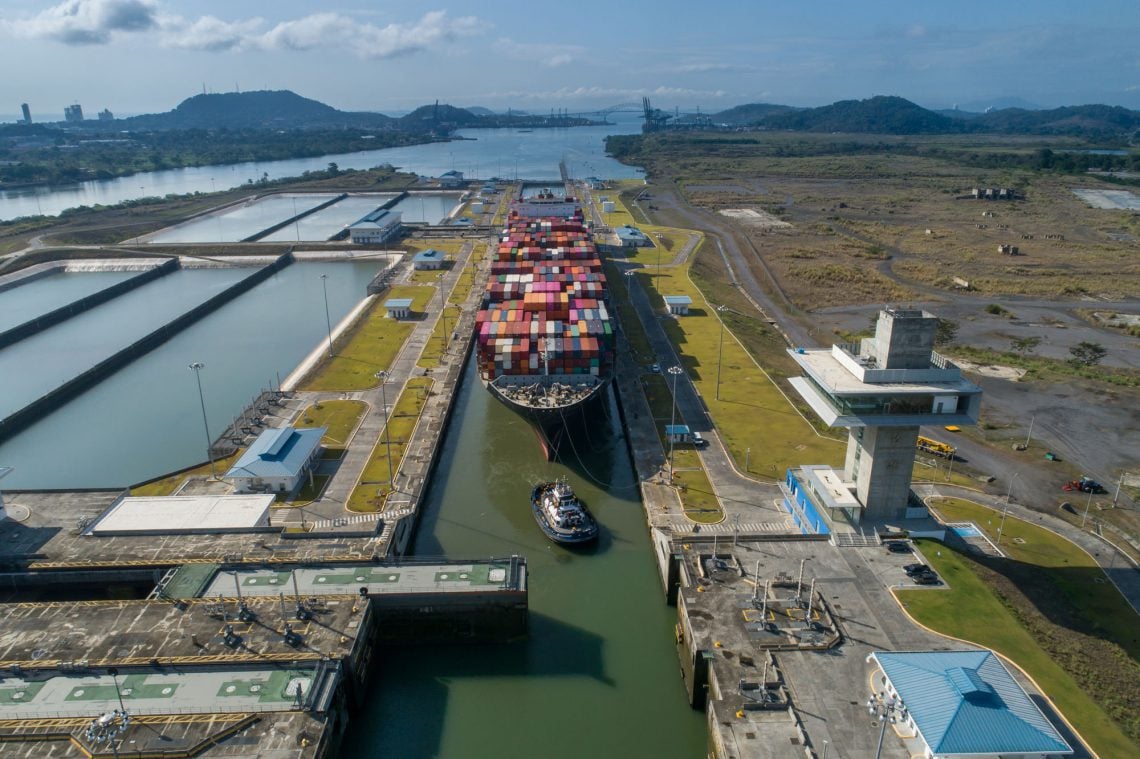
The Panama Canal Authority (ACP) plans to reduce the maximum draft for ships passing through its Neopanamax locks starting July 3. This decision is due to worries about the potential onset of El Niño later this year.
According to an advisory issued on Thursday, the maximum draft for Neopanamax vessels will drop from 50 feet to 49.5 feet in tropical fresh water (TFW). This change is part of the canal's strategy to manage water resources in light of uncertain rainfall patterns.
The ACP stated that, “Given the potential development of an El Niño phenomenon in the area in the coming months,” they will implement this draft reduction while keeping an eye on lake levels and weather forecasts.
This announcement is the first operational limit set by the canal this year. However, it is not as severe as the restrictions enforced during the significant drought of 2023-2024, which affected global shipping and decreased traffic through the canal.
This news comes just weeks after canal officials indicated they did not expect any transit restrictions through the end of 2026. In a statement on May 18, the ACP reported that Gatun Lake levels remained historically high and that they were accommodating 38 transits daily while employing different water conservation methods.
Canal Administrator Ricaurte Vásquez Morales recently mentioned potential restrictions at the “Containers Don’t Lie” Maritime Symposium in Washington this week. He noted that planners are reviewing draft regulations earlier than usual due to the possibility of an El Niño event, and warned that moderate draft restrictions might begin as early as June to prevent congestion similar to what occurred during the last drought.
The ACP has been preparing for a possible return of El Niño conditions for months. Water conservation measures introduced in late 2025 include simultaneous lockage for smaller vessels, more extensive use of water-saving basins in the Neopanamax locks, installation of interior lock gates to minimize water usage, and temporarily halting hydroelectric power generation at Gatun to focus on water storage.
The announcement also coincides with the Panama Canal experiencing some of its busiest traffic since overcoming the drought crisis of 2023-2024.
According to BIMCO, ship transits through the canal have increased by 8% year-over-year in 2026, averaging 38 vessels per day, largely driven by tanker traffic. Over the five weeks leading to mid-May, transits surged 16% compared to the previous year due to increased demand for U.S. crude oil, LNG, and refined products moving to Asia via the canal, following disruptions in the Strait of Hormuz.
BIMCO Shipping Analysis Manager Filipe Gouveia mentioned that the canal currently operates close to its maximum capacity of about 36 to 40 daily transits.
Concerns about the developing El Niño come amid predictions from the U.S. National Oceanic and Atmospheric Administration’s Climate Prediction Center. NOAA maintains an El Niño Watch and predicts an 82% chance that El Niño conditions will develop from May to July, with a 96% probability that these conditions will persist through the Northern Hemisphere winter of 2026-27.
NOAA's recent outlook suggests a two-thirds chance that the event could strengthen to a strong or very strong El Niño by late 2026.
The Panama Canal is vital for global trade, accounting for about 5% of world maritime commerce. The freshwater-dependent canal relies on rainfall collected in Gatun and Alhajuela lakes for its lock system, and it also provides drinking water for over half of Panama's population.
While the six-inch draft reduction is expected to have minimal impact on most vessels currently using the canal, this development reflects growing concerns among canal officials that weather conditions may worsen later this year if El Niño emerges as anticipated.
The ACP will continue to monitor water conditions and may announce further operational changes if necessary.