
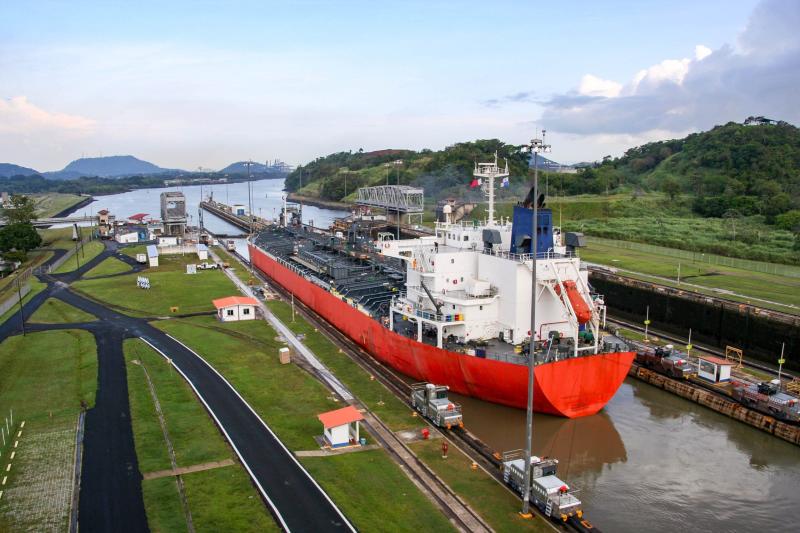
The Panama Canal authorities are working to clarify that auction slots do not let vessels skip the line, countering a common myth.
Victor Vial, the CFO of the Panama Canal Authority (ACP), stated, “Some believe that purchasing an auction slot means you can cut in line. That isn’t true. No vessel is bypassing others. The auction simply provides a slot that was already scheduled for transit that day.”
Each day, three auction slots are kept open to make room for LPG and LNG shipments that require immediate space.
Yumiko Casiano, the revenue management leader at the Panama Canal, mentioned to gCaptain that any canceled bookings are added to the auction slot list. Daily, there can be three to five auction slots available.
“We introduced this change to ensure fairness and transparency in how priority and pricing are determined through an auction system, rather than relying on a set order or first-come basis,” Vial explained. “We don’t control who goes through the Canal and at what rate; that’s up to the market. The auction is driven by demand.”
A notable auction slot recently fetched $4 million for a Neopanamax transit, the highest since the Panama Canal drought in November 2023.
According to Vial, bids ranging from $1 million to $4 million show the strong demand for these slots.
“The auction process is open and clear,” he added.
The prices for auction slots have been rising as more tankers carrying U.S. crude, LNG, or petroleum products head to the Canal for deliveries to Asia. Before the conflict, auction slots ranged from $135,000 to $140,000. By March and April, the prices jumped to around $385,000.
ACP officials attribute the increased transit speed to favorable wet weather.
“We have plenty of water,” said Vial. “How we manage the mix of ships also plays a role. We have boosted our capacity by 15 percent. The Panama Canal is improving.”
Vial mentioned that this increase in capacity could last for a few more months.
“The higher number of transits depends on whether the rainy season arrives on schedule,” Vial noted. “Our water inventories are beneficial.”
Tracking data from the ACP shows no signs of a slowdown for vessels loaded with U.S. energy products.
“We have seen a notable recovery in LPGs and dry bulk shipments,” Vial said. “Container ships are also performing well. We started observing more chemical and oil tankers passing through around February 28 and March 1.”
Before the conflict, an average of seven tankers passed through the canal daily. Currently, approximately 12 tankers are transiting each day in the Panamax lane, with some also utilizing the Neopanamax lane.
“The number of tankers and container ships remains stable, and LNG shipments are increasing from a low of five a month to around 15,” Vial explained.
He mentioned that the ACP had initially anticipated fewer daily transits this year due to tariffs, with expectations around 32 transits daily. However, actual numbers turned out to be higher. Prior to the crisis, the Panama Canal recorded 34 daily transits, whereas it now sees about 40 to 41 vessels daily.
“Currently, we have filled between 75 and 80 percent of our bookings for both the Panamax and Neopanamax slots for the next month,” Vial added. “This clearly shows increased demand, and people are booking earlier for more certainty.”
The ACP revised its first-come, first-served booking system after the 2024 drought, transitioning to an advanced reservation system: the Long-Term Slot Allocation system (LoTSA) and a dedicated booking system for LNG vessels. All vessels now need a reservation to transit the canal. There are also options for last-minute reservations and the auction method.
A new version of LoTSA, called LoTSA 2.5, will launch on April 28 for slots starting on July 5. This update will allow LPG and LNG segments to choose options for Transit in Advance and Change Day Policy.
“This service aims to improve voyage efficiency or reduce time spent at port,” explained Casiano. “They can adjust their days according to their transit schedule. There’s a demand for more flexibility due to various disruptions during voyages.”