
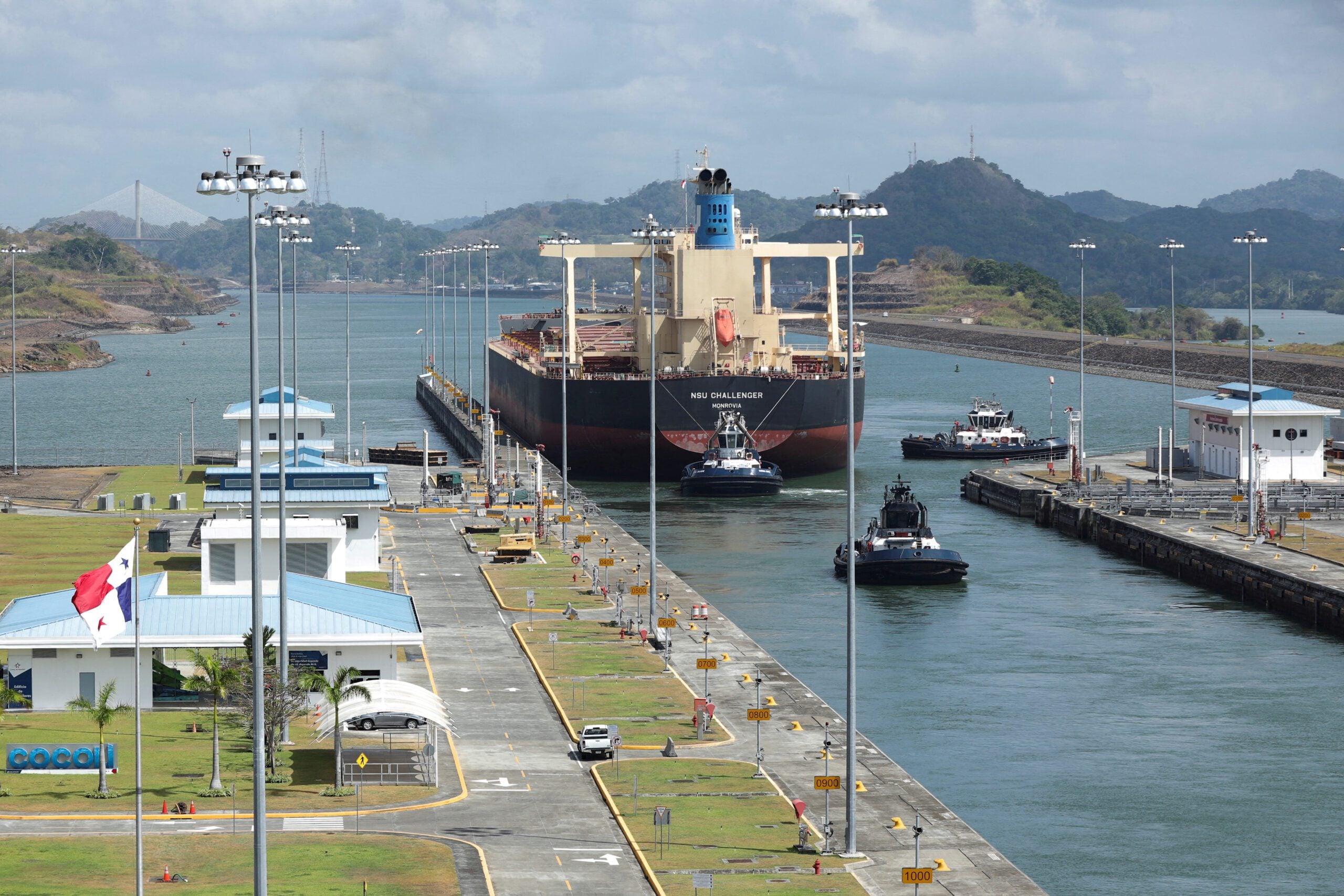
On February 6, the Panama Canal Authority began a preventive water discharge from the Gatún Dam. This decision follows the drought that affected the canal and hindered shipping during the strong El Niño of 2023-24.
The discharge was initiated after Gatún Lake reached a height of 88.93 feet, while runoff from local rivers stayed high due to recent heavy rains. On February 7, the lake's level was recorded at 88.9 feet, which is significantly above the five-year average for February of 85.3 feet.
The Panama Canal Authority explained, “This action is necessary because the Gatún reservoir has hit its maximum operational level, and surface runoff from tributary rivers remains high due to the rainfall in recent days.”
The purpose of this discharge is to protect the structures of the canal and to reduce risks for communities both upstream and downstream of the Gatún hydrotechnical complex.
These elevated water levels are a sharp contrast to the serious drought that affected canal operations for much of 2023 and 2024. For over a year and a half, the Panama Canal was operating below capacity because of drought conditions worsened by the strong El Niño, with daily ship transit numbers plummeting to as few as 24 and maximum drafts dropping under 44 feet.
In August 2023, Gatún Lake’s water levels dipped to as low as 79.6 feet before starting to recover. By August 2024, the water level had increased to 85 feet, which is closer to the five-year average of 85.3 feet for that month. Following additional rains associated with a shift to La Niña, the canal resumed normal operations, achieving approximately 36 daily transits and a maximum draft of 50 feet for the Neopanamax locks.
Currently, the maximum drafts are set at 50 feet for Neopanamax vessels and 39.5 feet for Panamax ships.
This operational recovery has resulted in strong financial performance for the fiscal year 2025. The Panama Canal Administration contributed $2.965 billion to Panama’s National Treasury, which reflects the excess revenues from operations and transit fees. Total revenues increased by about 14.4%, reaching $5.7 billion, with vessel transits rising 19.3% year-over-year to 13,404 over the past year.
During FY 2025, daily transits averaged 33 vessels, up from just 27 in the year affected by drought. Additionally, Panama’s port traffic showed significant growth, increasing by 3.6% in 2025 to 9.9 million TEU containers.
President José Raúl Mulino praised the canal workforce for their efforts during what he called “a year marked by significant challenges, showcasing Panamanians’ ability to face and overcome complex issues, including those related to climate change.”