
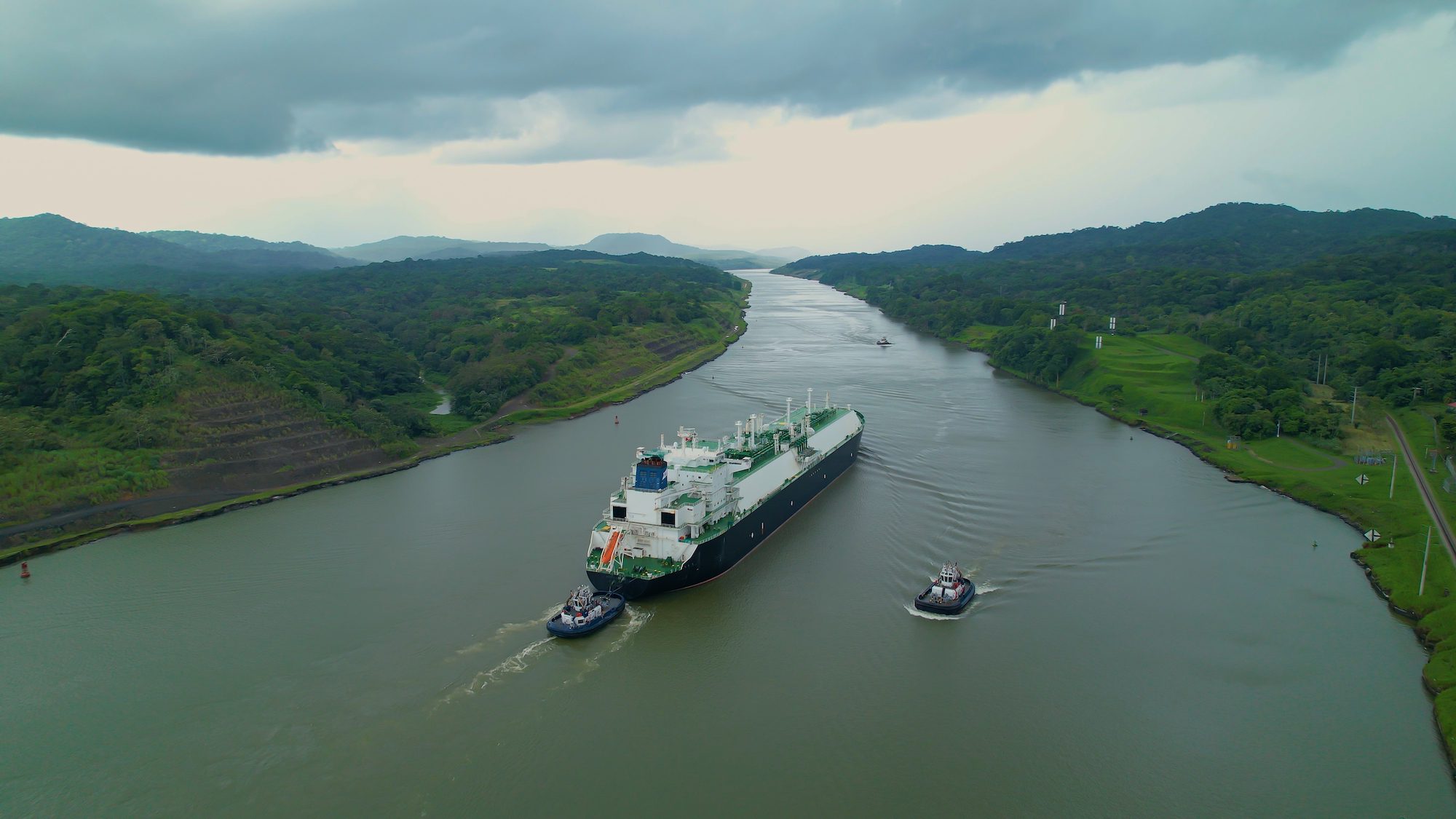
HOUSTON, Nov 3 (Reuters) – The Panama Canal is expecting more liquefied petroleum gas (LPG) ships and carriers of some agricultural products to help offset a decline in global trade next year, as the head of the waterway shared with Reuters on Monday.
This canal, which is the second-busiest interoceanic route in the world, experienced a 14% rise in revenue, reaching $5.7 billion in the fiscal year ending in September. There was also a 19% increase in transits, with LPG vessels and container ships transporting more goods through the canal that connects the Pacific and Atlantic oceans.
"LPG is a product that will become increasingly valuable in the next 20 to 25 years," said Ricaurte Vasquez, the administrator of the Panama Canal Authority, at the Houston International Maritime Conference.
U.S. tariffs and changes in trade policies have led to more traffic through the canal, especially in the third quarter of the year as many shippers sent their goods early for the Christmas season to avoid potential problems.
As a result, the canal's share of U.S. LPG exports to Asia has improved to over 95%, rising from 80% during 2023-2024 when a significant drought caused passage restrictions and delays, according to Vasquez.
The Authority is looking for companies interested in building a 2-million-barrel-per-day LPG pipeline in the canal zone, which is set to open in 2030 and would help boost that market. Vasquez noted that many U.S. companies are showing interest.
There are also changes in grain flows, such as increased Chinese soybean purchases, which might benefit the canal, according to Vasquez.
The Authority is relying on higher LPG and agricultural transit numbers to make up for the expected revenue decline in this fiscal year due to reduced cargo trade.
During this period, the total tonnage moving through the canal is projected to decrease by about 40 million metric tons from the previous fiscal year's 489 million tons, as some vessel categories, including LNG tankers, will use the canal less frequently.
Earlier this month, the canal began a competitive process to select companies for building and operating two new ports within the Canal Zone, with hopes to have them ready by 2029. The pre-qualification process is expected to conclude early next year, Vasquez noted at the conference.
Additionally, Panama may see the completion of the ambitious Rio Indio reservoir project, aimed at securing freshwater for the canal, by 2031, although progress has been slow, Vasquez mentioned.