
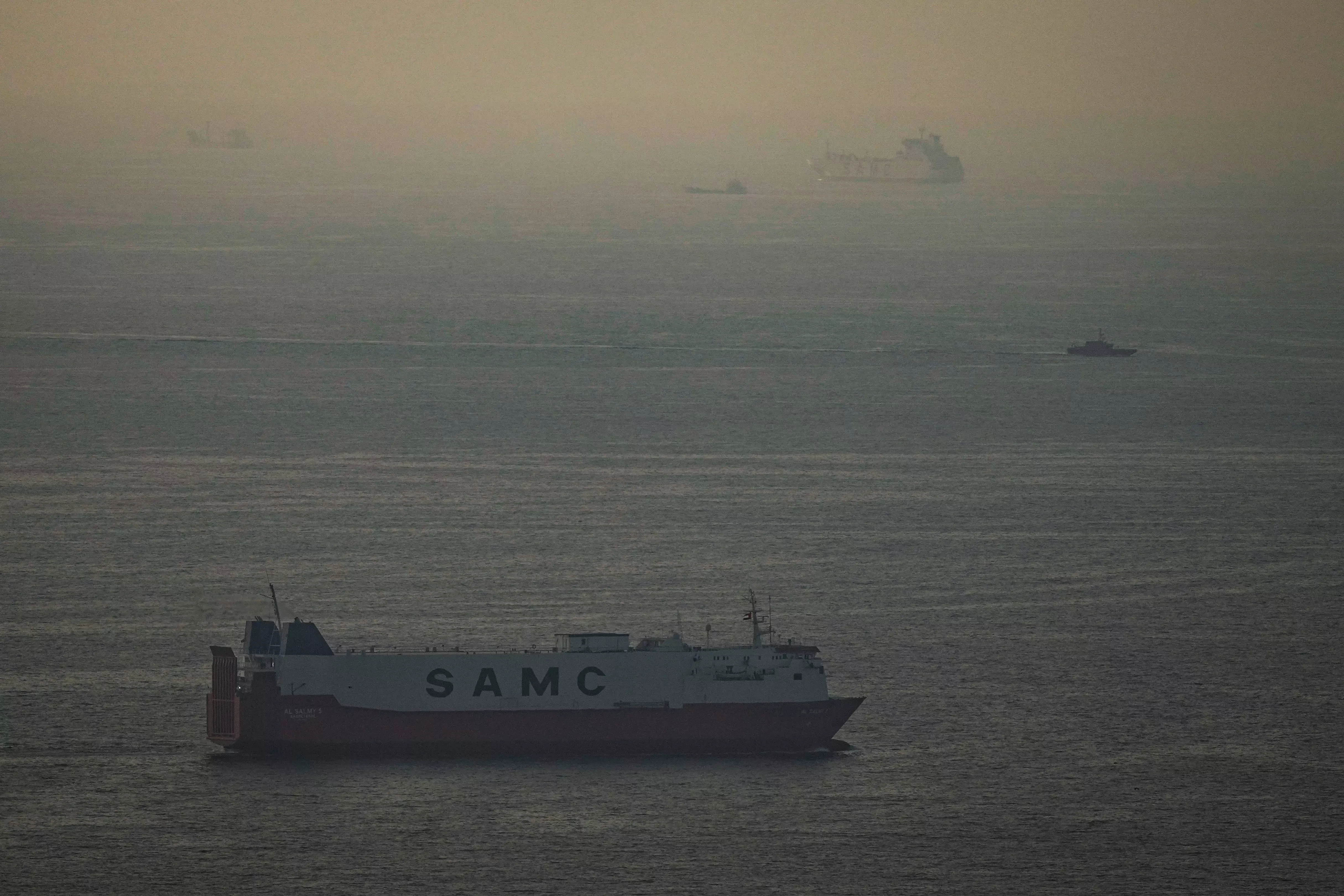
March 31, 2026 (Bloomberg) - Pakistan is exploring options that may include letting other ships carry important cargo under its flag. This comes after Iran announced it would permit 20 Pakistani vessels to pass through the Strait of Hormuz, which is more than what Pakistan currently has in the area.
After talks between Tehran and Islamabad, Pakistani Foreign Minister Ishaq Dar shared on X over the weekend that Iran has allowed 20 vessels to move "under the Pakistani flag" through the Hormuz waterway. US President Donald Trump also mentioned this agreement in a recent newspaper interview.
However, according to ship-tracking data and sources who requested anonymity, Pakistan does not actually have that many vessels in the Persian Gulf.
The last of the Pakistan National Shipping Corp's ships have already left the Gulf. This means that Pakistan might consider using other tankers to secure essential supplies such as fertilizer and crude oil, potentially re-flagging them to maintain the necessary affiliation. Sources noted that no final decision has been reached yet.
Kuwait has already stated it will support Pakistan-flagged vessels with diesel and fuel supplies.
Pakistan’s Ministry of Maritime Affairs did not immediately reply to a request for comments.
According to the agreement between Pakistan and Iran, two Pakistan-flagged ships can cross the Hormuz Strait each day, as stated by Dar.
The Strait of Hormuz has been mostly closed to tanker traffic since the war in the Middle East began a month ago. Pakistan's deal with Iran marks it as the latest Asian country to negotiate an agreement to gain access to stranded cargoes and tankers, following Malaysia, Thailand, and India.
The Middle East war, which began a month ago after the US and Israel launched strikes on Iran, has disrupted oil and gas supplies from some major producers and triggered a significant global energy supply crisis. Asian countries, particularly emerging economies with limited financial resources to absorb rising costs, have been hit the hardest.