
HOUSTON, Dec 16 (Reuters) - Venezuela's state-owned company PDVSA is facing challenges with oil shipments, increased price discounts, and customer requests to change terms of contracts after the U.S. seized a ship carrying oil from the country, according to traders and sources.
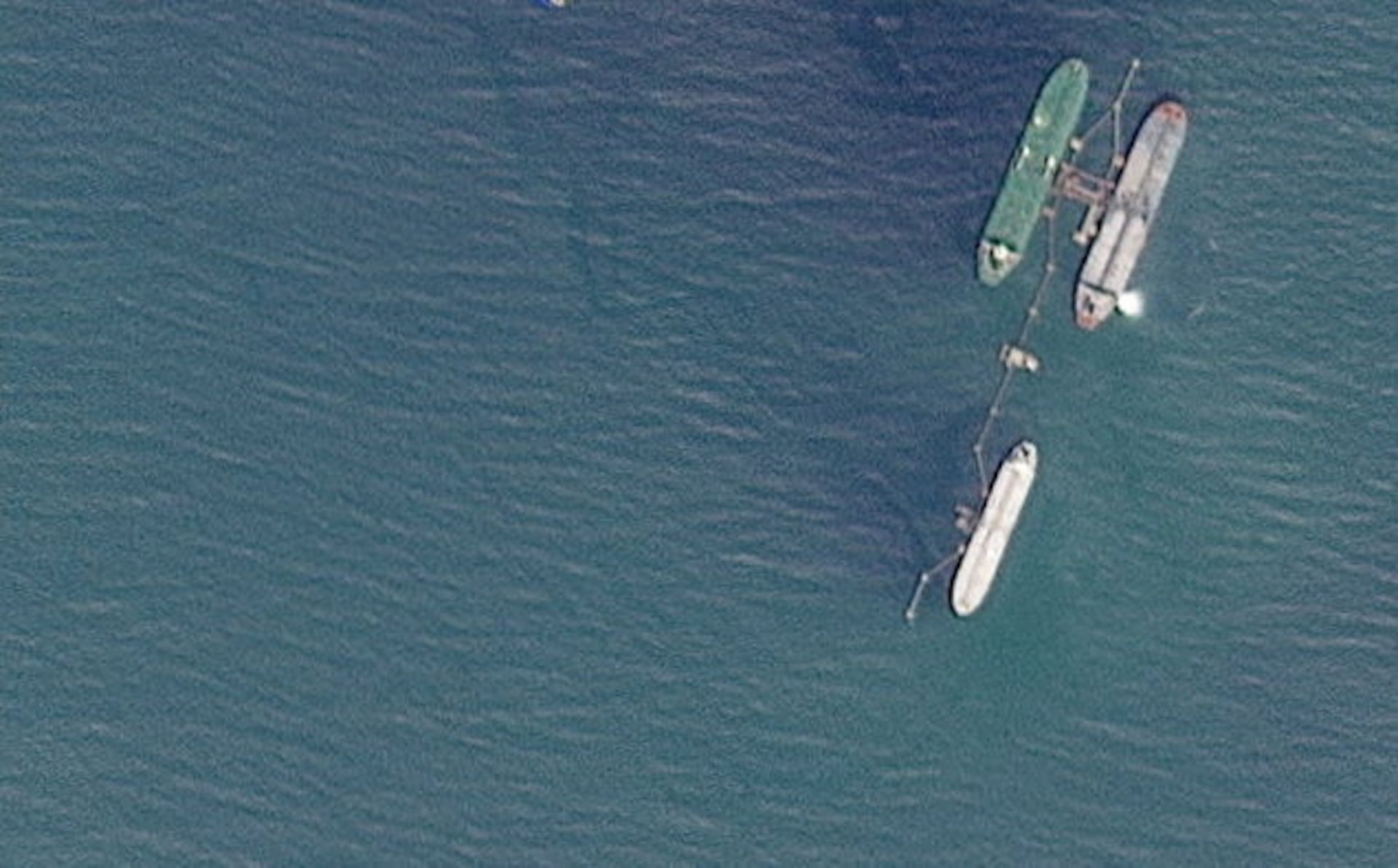
As pressure on President Nicolas Maduro intensifies, the U.S. Coast Guard intercepted a vessel named Skipper near Venezuela last week. This was the first time the U.S. seized an oil tanker or oil cargo from Venezuela. Additionally, the U.S. imposed sanctions on six ships and their associated companies.
Before the U.S. seizure, which involved oil associated with sanctions from both Venezuela and Iran, PDVSA was already having difficulty pricing its crude according to contract rates because of an influx of sanctioned oil in its primary market, China.
DISCOUNTS FOR CHINESE BUYERS WIDEN
Discounts on Venezuela's flagship Merey heavy crude for China have increased to as much as $21 per barrel below the Brent benchmark, up from $14 to $15 per barrel last week, as reported by two traders and a company source, who requested anonymity due to commercial sensitivities.
This increase in discounts reflects the growing costs associated with a "war clause" that vessel owners are requesting to protect themselves from potential interceptions, delays, or diverted shipments amid the U.S. military presence in the Caribbean.
Since the initial sanctions in 2019, PDVSA has encountered larger discounts, but current low prices are also due to fierce competition, which is quickly reducing demand for its heavy crude.
Many customers are asking PDVSA to ease trading requirements, particularly the stipulation that oil cargoes must be prepaid in digital currency before departure. Other clients are seeking reimbursement for demurrage fees caused by shipping delays, as noted by sources.
If trading terms remain unchanged amid heightened risks for customers and shippers transporting oil from Venezuela, PDVSA may receive a wave of requests for cargo returns, according to a company source.
PDVSA did not respond to requests for comments. Last week, Venezuela's Oil Minister Delcy Rodriguez stated in a teleconference with workers that operations would not be disrupted by U.S. actions, as reported by the ministry and PDVSA.
STUCK OR DISCOUNTED
The U.S. has been trying to undermine Maduro's administration, which depends heavily on oil revenue to fund subsidies and government programs.
This year, between 55% and 90% of Venezuela's monthly oil exports have gone to China, compared to 40%-60% in the previous year. In November, the country exported 952,000 barrels per day, of which 778,000 barrels per day were sent to China, based on ship monitoring data.
The increased supply, combined with rising offers of discounted Russian and Iranian oil, has made Chinese independent refiners less concerned about immediate Venezuelan crude supplies, even in the face of U.S. pressure.
However, analysts warn that Venezuelan oil supplies in China could decrease in February if tankers currently loaded and waiting in Venezuelan waters cannot depart.
This week, over 11 million barrels of Venezuelan oil were reported to be on vessels waiting to leave while traders negotiate further discounts, according to sources.
Chevron, PDVSA's main joint venture partner based in the U.S., remains the only company exporting crude without delays from Venezuela. Meanwhile, shippers working with sanctioned vessels have been navigating in "dark mode," turning off their transponders to avoid being intercepted.
Compounding PDVSA's issues, a cyberattack this week disrupted the company's administrative systems, leading to a temporary suspension of oil deliveries at its terminals.