
U.S. Pressure on Venezuelan Oil Exports
On December 15, Reuters reported that the United States is tightening its grip on Venezuela's oil exports. This move could significantly reduce the country's crude oil production and affect President Nicolas Maduro’s main source of income, although it might not greatly impact the global oil market.
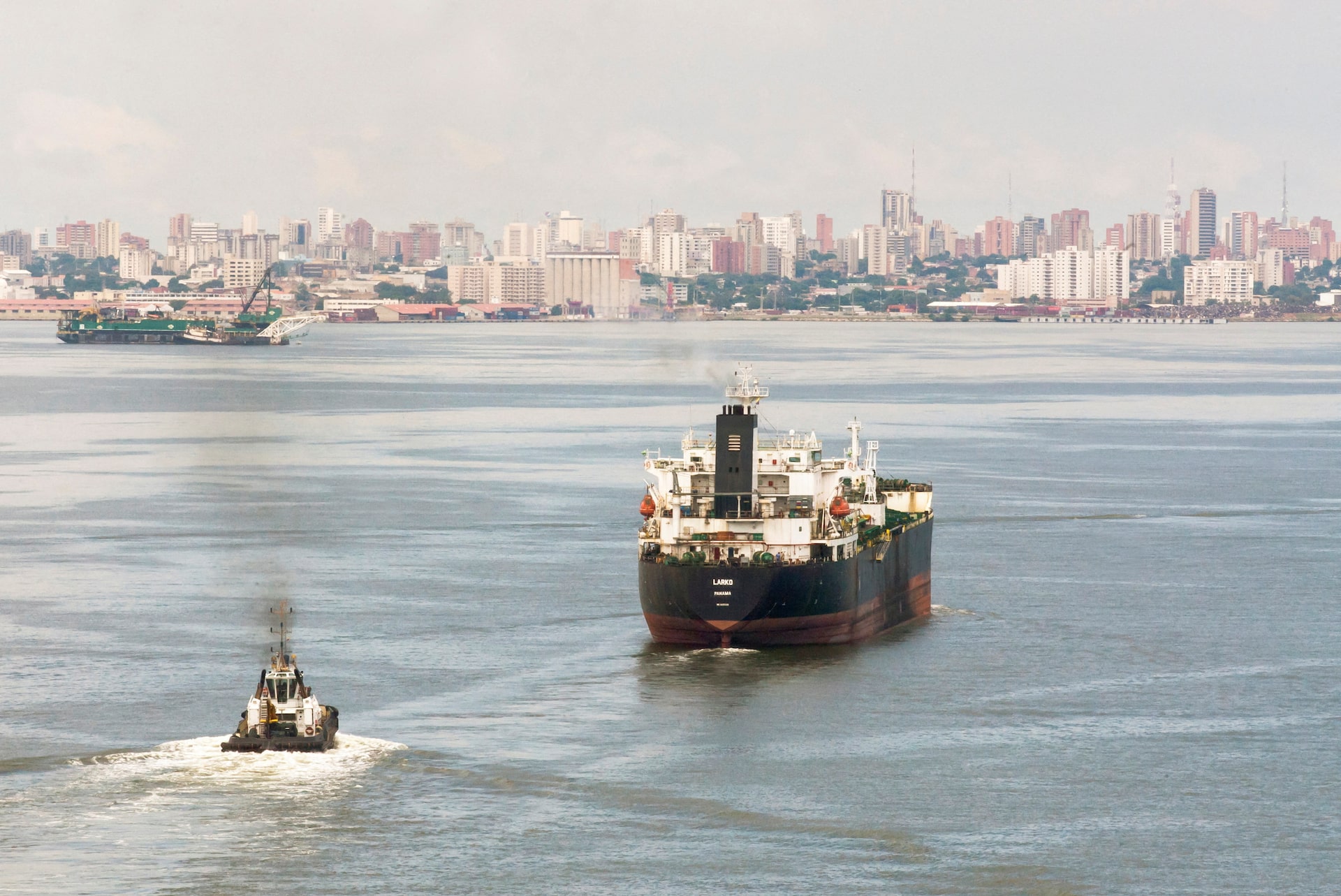
Last week, the U.S. Coast Guard took action against a supertanker carrying Venezuelan crude bound for Cuba. This marks a significant increase in the U.S. efforts against Venezuela, as military presence in the Caribbean grows to its largest since the Cuban missile crisis.
According to reports, the U.S. is preparing to stop more ships that are transporting Venezuelan oil. New sanctions have also been placed on Maduro’s family, six crude tankers, and shipping companies associated with them.
The U.S. military aims to prevent the shipment of Venezuelan oil by targeting a so-called "dark fleet"—a group of unregulated and sanctioned ships that are also used by Russia and Iran.
Currently, there are at least a dozen sanctioned crude tankers operating within Venezuela's economic maritime zone, and they are at risk of being seized.
Impact on Production and Exports
These pressures are already affecting Venezuela's oil industry. In September, the country’s crude exports surged to more than 1 million barrels per day, the highest level since February 2019. This spike likely resulted from the state-run oil company PDVSA depleting inventory in preparation for stricter regulations.
However, forecasts show that Venezuelan crude exports are expected to drop to 702,000 barrels per day in December, the lowest figure since May, according to analytics firm Kpler.
Moreover, buyers in Asia are reportedly seeking deeper discounts for Venezuelan oil due to the increasing risks in trading the commodity.
The tightening of restrictions has also led to a decline in Venezuela's crude production, falling by approximately 150,000 barrels per day in November, leaving production at around 860,000 barrels per day. This reduction follows a period of production above 1 million barrels per day, as noted by the International Energy Agency.
The drop in production is partly due to the decrease in exports. If the shipping restrictions continue, output may fall even more as storage capacity is reached. Additionally, production could face severe limitations if U.S. restrictions affect the imports of naphtha and diluents, which are essential for extracting and processing Venezuelan oil.
Over two-thirds of Venezuela’s oil production is heavy grade, which is thick and tar-like when extracted. Naphtha is crucial to make it less viscous, allowing it to flow through pipelines for export.
While Venezuela's six refineries can produce naphtha, years of neglect have left them in disrepair. This has made the oil industry heavily dependent on imports.
In December, Venezuelan naphtha and chemical imports are expected to decline to 39,000 barrels per day, a drop from 54,000 barrels per day in November and 89,000 in October, according to Kpler.
It's difficult to determine the exact impact of naphtha shortages on production, as the country had imported large quantities in recent years, some of which may be in storage. Nonetheless, a halt in naphtha imports poses a significant risk to production levels.
Chevron's Special License
Despite the rising tensions, Venezuela's heavy crude production is unlikely to stop entirely. The Trump administration issued a special license to Chevron, the second-largest U.S. oil producer, allowing it to continue operating its joint ventures in Venezuela’s Orinoco belt, which produces roughly 250,000 barrels per day.
Chevron currently exports around 150,000 barrels per day of crude from Venezuela to the U.S. Gulf Coast, where the refineries are designed to process heavy crude oil from Mexico, Canada, and Venezuela.
Overall, estimates suggest that Venezuela’s oil production could decline by 300,000 to 500,000 barrels per day due to decreased exports and production constraints. However, this reduction is unlikely to significantly affect the well-supplied global oil market, which may experience a surplus next year. Any loss of heavy crude production would likely be compensated for by increased output from Canada and the Gulf of Mexico.
Furthermore, establishing a U.S.-friendly government that lifts sanctions could lead to a rapid revival of oil production in Venezuela, which holds the world's largest oil reserves, estimated at around 303 billion barrels.
While the tensions surrounding Venezuela are impacting the country's oil industry, these effects are not expected to ripple across the global market—unless the Maduro regime collapses, prompting a wave of Western energy companies to re-enter the oil-rich nation.