
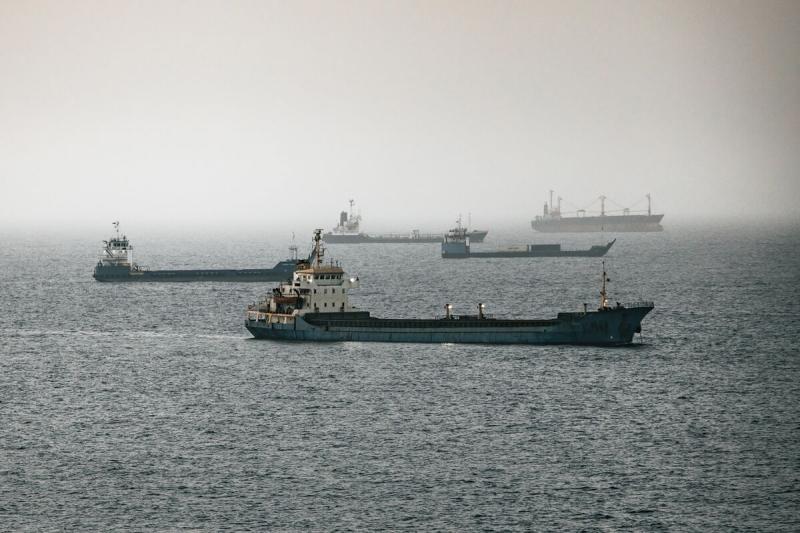
Nov 8, 2026 – Oil traders are asking the US government for permission to use some tankers that have been sanctioned for transporting illegal oil. This step aims to tackle a shortage of vessels and help reduce prices.
At least four companies, including Trafigura Group, Vitol Group, Mercuria Energy Group Ltd., and Abu Dhabi National Oil Co., are in talks with US officials to obtain licenses allowing them to buy or lease some of these blacklisted ships, according to sources familiar with the discussions.
This move comes as the Trump administration seeks to lower oil prices, which have soared following the US and Israel's military actions against Iran, causing significant supply disruptions. Freight rates, an important part of oil pricing, have recently reached record highs due to tanker shortages and the dangers of navigating through the Strait of Hormuz. Ships have had to take longer routes to secure supplies, and charters are facing higher insurance costs.
Last month, US Energy Secretary Chris Wright announced that the administration is working with investors to buy idle sanctioned tankers, refurbish them, and then use them for transporting non-sanctioned oil. The goal is to convert “dark tankers into legitimate ones,” he explained.
Treasury officials are currently reviewing applications and may grant authorizations on an individual basis rather than providing a blanket exemption. The discussions involve about 50 of the approximately 1,600 ships currently under US sanctions. However, no decisions have been finalized, and the timeline for approvals remains uncertain.
Representatives of ADNOC, Trafigura, Mercuria, and Vitol did not comment on the matter.
The applications include supertankers, the largest vessels in the oil industry, capable of carrying 2 million barrels of oil, according to sources.
The cost to transport US oil to Asia using a supertanker rose to nearly $40 per barrel in early October, up from just $5 a year ago. While rates have slightly decreased since then, they still remain close to historic highs, contributing to oil prices that are around $100 per barrel.
It's important to note that any licenses from the US Treasury or the Office of Foreign Assets Control would only apply to vessels sanctioned by the US. The European Union and the UK also have significant restrictions on Russian and Iranian oil and are targeting the so-called “shadow fleet” used to bypass these restrictions.
It remains uncertain how much this measure would really decrease prices. The Trump administration has implemented multiple strategies to lower energy costs for Americans, including releasing millions of barrels from emergency reserves and relaxing certain fuel regulations. Nonetheless, fuel prices continue to be high, which was a significant factor in the Republican Party's substantial losses in the recent midterm elections.
The success of this approach in lowering prices will also depend on which ships are refurbished. Converting tankers that have been idle, like one called Skipper that has been off the coast of Texas since December, would likely have a greater impact than just altering the status of vessels currently in the dark fleet.