
On Tuesday, the U.S. Treasury Department announced a new sanctions framework. This aims to reopen many parts of Venezuela's energy and mining sectors to U.S. and allied companies. The new rules also allow shipping, insurance, and logistics activities to support exports.
The Office of Foreign Assets Control (OFAC) released updated general licenses related to Venezuela, covering everything from oil exports to services in energy, mining, and operations linked to the state oil company, Petróleos de Venezuela S.A. (PDVSA), along with major international energy companies.
These updated licenses replace earlier ones from this year and create a more detailed legal framework for businesses looking to engage with Venezuela's oil, gas, petrochemical, electricity, and mineral sectors.
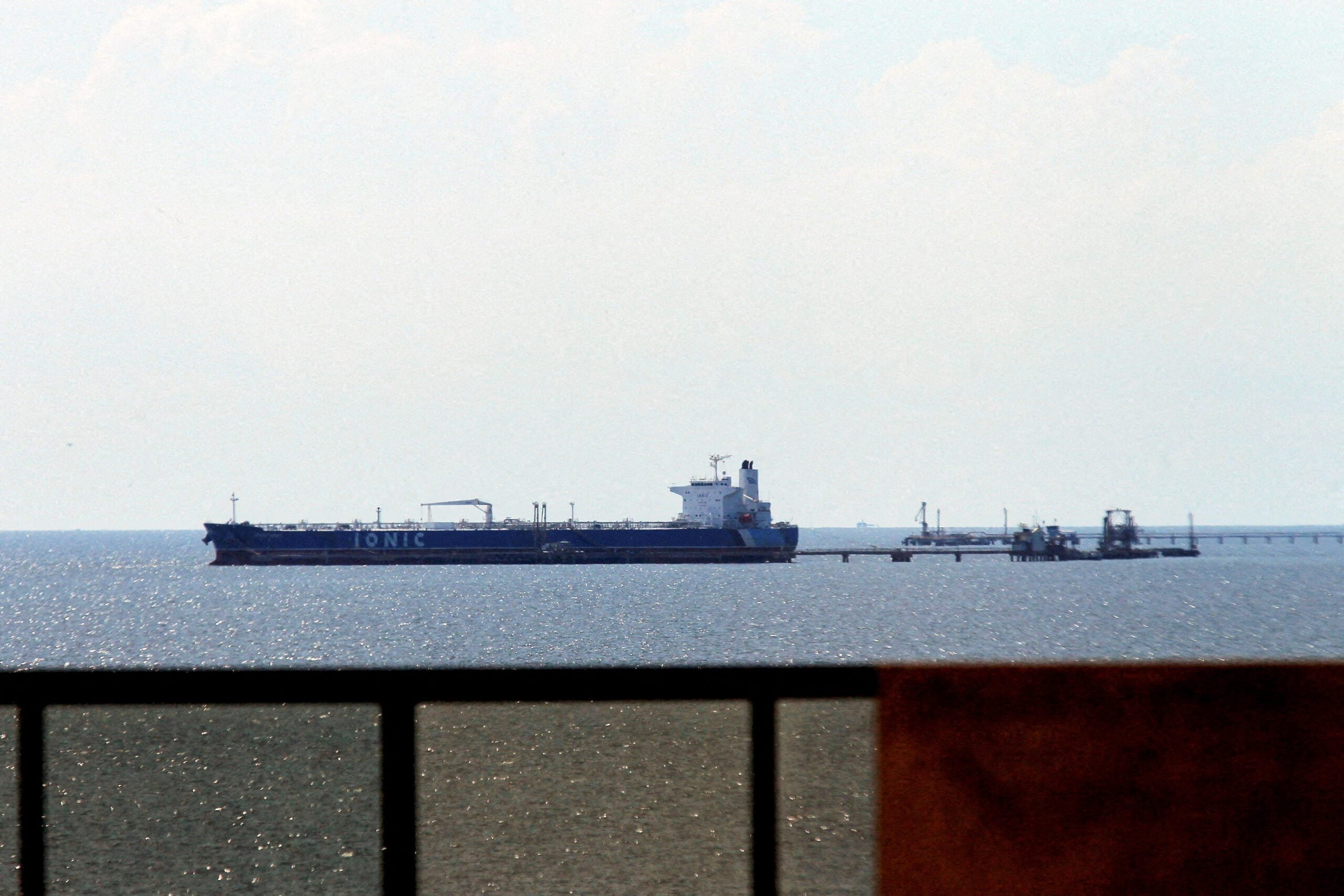
A key aspect of the new measures is the clear authorization of maritime services that support Venezuelan trade. Multiple licenses now allow shipping and logistics services, such as vessel chartering, marine insurance, protection and indemnity (P&I) coverage, and port operations involving Venezuelan government-controlled entities.
The authorizations cover more than just crude oil exports. OFAC’s licenses also account for Venezuelan oil and petrochemical products, U.S. diluents for blending heavy crude, oil and gas field services, electricity infrastructure, and minerals from Venezuela, including gold.
Additionally, the framework expands the list of international energy companies permitted to operate in Venezuela. General License 50B includes BP, Chevron, Eni, Maurel & Prom, Repsol, and Shell, along with their subsidiaries.
At the same time, the licenses come with restrictions to limit involvement from geopolitical rivals. Several licenses forbid transactions with entities linked to Russia, Iran, Cuba, North Korea, or China, and some explicitly exclude Venezuelan or U.S.-based entities owned or controlled by Chinese parties or joint ventures.
The Treasury also introduced new requirements to protect companies involved. Any contracts with the Venezuelan government, PDVSA, or state mining entities must be governed by U.S. law, and any disputes should be resolved in the U.S., U.K., France, or Singapore.
OFAC clarified that contracts can still refer to relevant Venezuelan laws, including regulations on permits, labor, environmental compliance, and health and safety requirements.
The licenses also detail reporting requirements. Companies must regularly inform U.S. government agencies about their transactions, including counterparties, cargo volumes, transaction values, destinations, and payments made to the Venezuelan government.
Moreover, the updated measures expand the types of permitted petrochemical trade. The Treasury's definition now includes various fertilizer products and feedstocks like urea, ammonia, ammonium nitrate, phosphates, potash products, sulfur, and sulfuric acid.
These changes are part of the ongoing adjustments in U.S. sanctions policy towards Venezuela, aimed at boosting Western investment in the country's energy sector and reducing the influence of competing powers in Latin America’s largest oil producer.
All seven updated licenses became effective on June 10, replacing earlier versions issued between February and March 2026.