
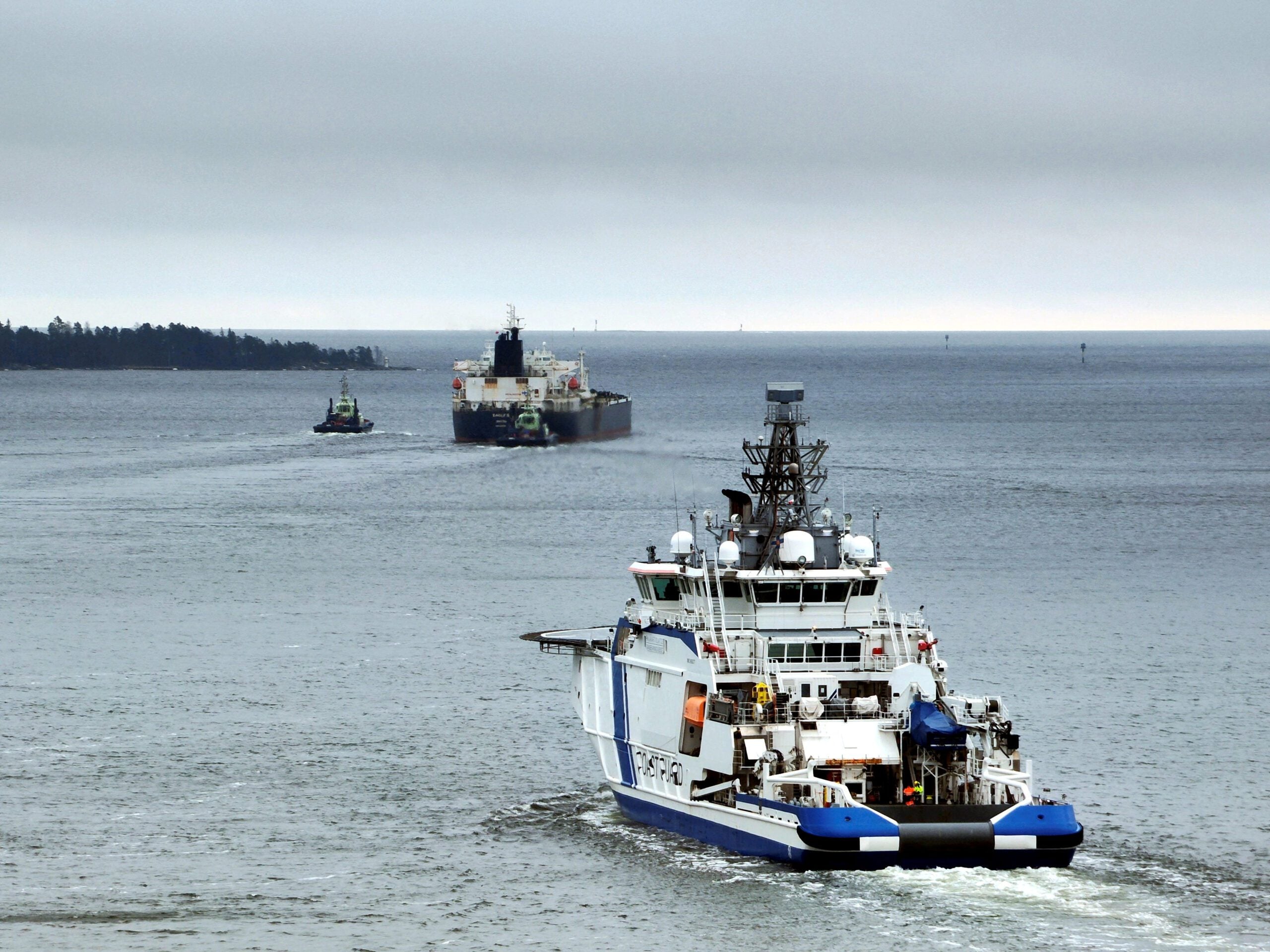
Norway is now a full member of the European Union Strategy for the Baltic Sea Region (EUSBSR). This is an important step for regional cooperation as Europe focuses more on security, resilience, and economic coordination in the northeastern part of the continent.
This membership marks a formal recognition of Norway's involvement after it has worked alongside the eight EU member countries bordering the Baltic Sea: Denmark, Estonia, Finland, Germany, Latvia, Lithuania, Poland, and Sweden.
Raffaele Fitto, the European Commission’s Executive Vice-President for Cohesion and Reforms, stated that Norway’s inclusion will improve the region's ability to tackle common issues such as civil security, innovation, and territorial unity.
In a statement, Fitto said, “Norway’s full membership of the EU Strategy for the Baltic Sea Region will further enhance our collective capacity to address shared challenges.” He emphasized that this move is part of the Commission’s wider goal to strengthen the EU’s eastern border regions.
Norway officially requested to become a full member in October 2025 through Foreign Minister Espen Barth Eide. This step came as cooperation among Nordic and Baltic nations increased, especially after Russia's invasion of Ukraine raised security concerns in Northern Europe.
The strategy, approved by the European Council in 2009, was the first framework for macro-regional cooperation in Europe. Its purpose is to coordinate policy and investment across shared regional priorities, focusing on three main goals: “Save the Sea,” “Connect the Region,” and “Increase Prosperity.”
As a full member, Norway will now join the National Coordinators Group, which is the main decision-making body of the Strategy, and will appoint members to all 14 steering groups that oversee various areas such as transport, energy, health, innovation, emergency readiness, and environmental protection.
In recent years, the Baltic Sea region has become more significant in European strategic planning due to NATO’s northern expansion, rising concerns about undersea infrastructure security, and regional governments working faster on energy transition and defense collaboration.
The European Commission noted that macro-regional strategies are vital for coordinating policies across borders without establishing new institutions, which helps minimize duplication among existing regional organizations and initiatives.
Estonia is currently serving as the rotating president of the strategy for the 2025-2026 term.