
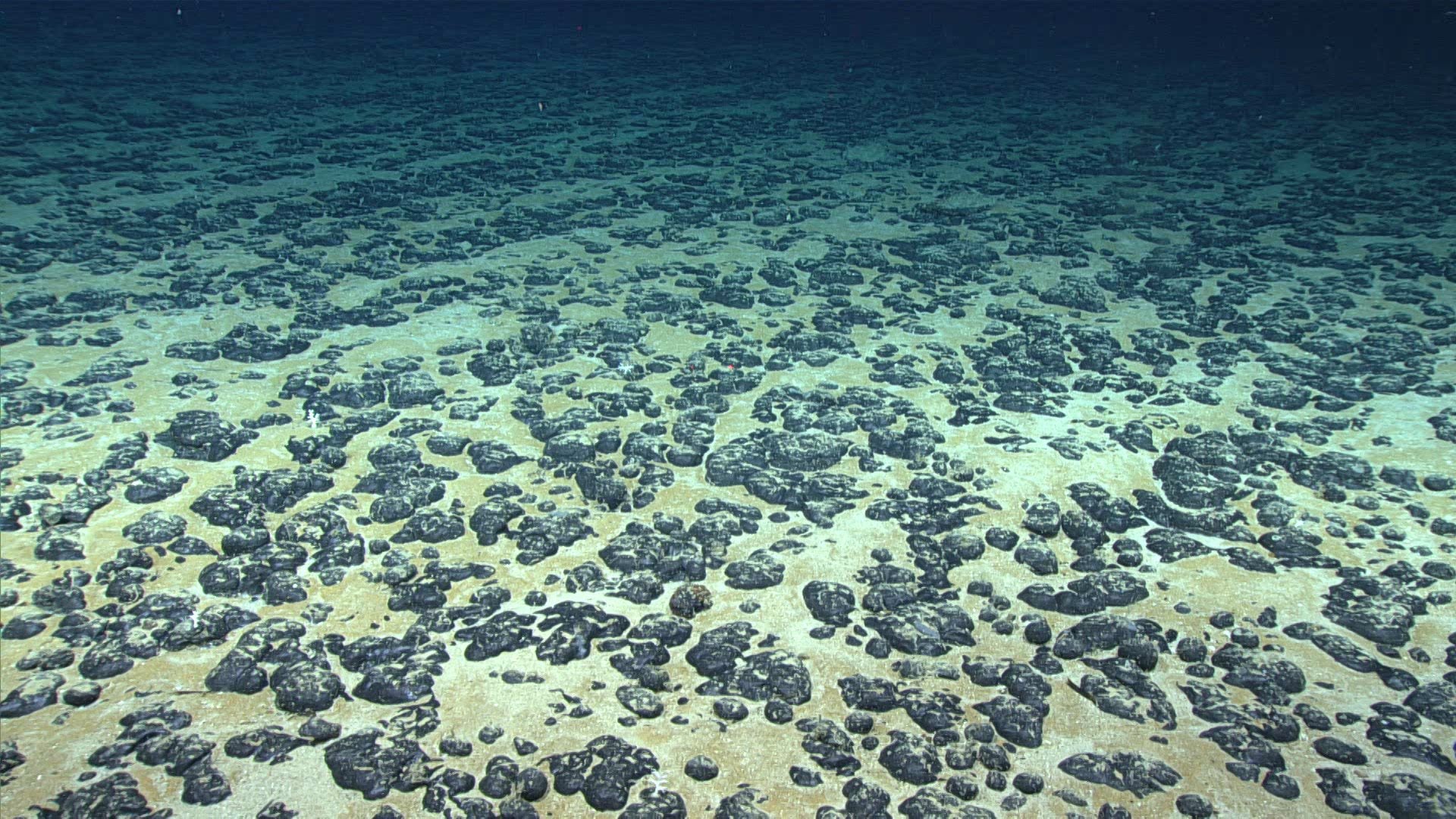
Deep Sea Minerals Corp. has achieved a key milestone in its quest to explore for important minerals on the Pacific seabed. The National Oceanic and Atmospheric Administration (NOAA) has given the company a "substantial compliance" determination.
This week, the Vancouver-based company announced that NOAA found its application under the Deep Seabed Hard Mineral Resources Act (DSHMRA) includes all the necessary information to move forward in the federal review process. This is for the exploration and possible commercial extraction of polymetallic nodules in international waters.
CEO James Deckelman stated, "This is a significant step for Deep Sea Minerals and shows our commitment to responsible, science-based development of critical mineral resources."
The company submitted its application in March through its U.S. subsidiary, American Ocean Minerals Corp. They are seeking an exploration license for part of the Clarion-Clipperton Zone, a large area in the Pacific Ocean between Hawaii and Mexico, which is believed to have significant amounts of nickel, cobalt, copper, and manganese.
If fully approved, the exploration area could eventually cover about 150,000 square kilometers.
This announcement comes as the Trump administration is speeding up efforts to secure domestic and allied sources of critical minerals. These minerals are essential for batteries, defense systems, advanced manufacturing, and energy infrastructure.
Last year, the Bureau of Ocean Energy Management (BOEM) began moving forward with offshore critical mineral leasing in U.S. Pacific territories, such as American Samoa and the Northern Mariana Islands, following President Trump’s executive order to fast-track seabed mineral development.
While BOEM focuses on resources within U.S. territorial waters and the Outer Continental Shelf, NOAA’s DSHMRA program oversees U.S.-sponsored exploration and mining activities in areas beyond national jurisdiction.
The DSHMRA framework exists before the International Seabed Authority, the U.N.-backed organization that regulates seabed mining in international waters. Since the U.S. has not ratified the U.N. Convention on the Law of the Sea, it maintains its own licensing system for U.S. companies under DSHMRA.
Supporters of deep-sea mining believe that polymetallic nodules could provide an alternative source of critical minerals, especially as supply chains rely heavily on China and other foreign producers. However, environmental groups are concerned about the potential impact on fragile deep-ocean ecosystems and are calling for more scientific research before any large-scale extraction starts.
Deep Sea Minerals has also announced plans to list on the Nasdaq Capital Market to attract more U.S. investors and enhance its visibility in the growing critical minerals sector.
The company mentioned that this determination places it among a small group of publicly traded firms making progress through the U.S. seabed mining approval process. However, this finding does not mean that regulatory approval has been granted, and considerable reviews are still required before NOAA can issue an exploration license.