
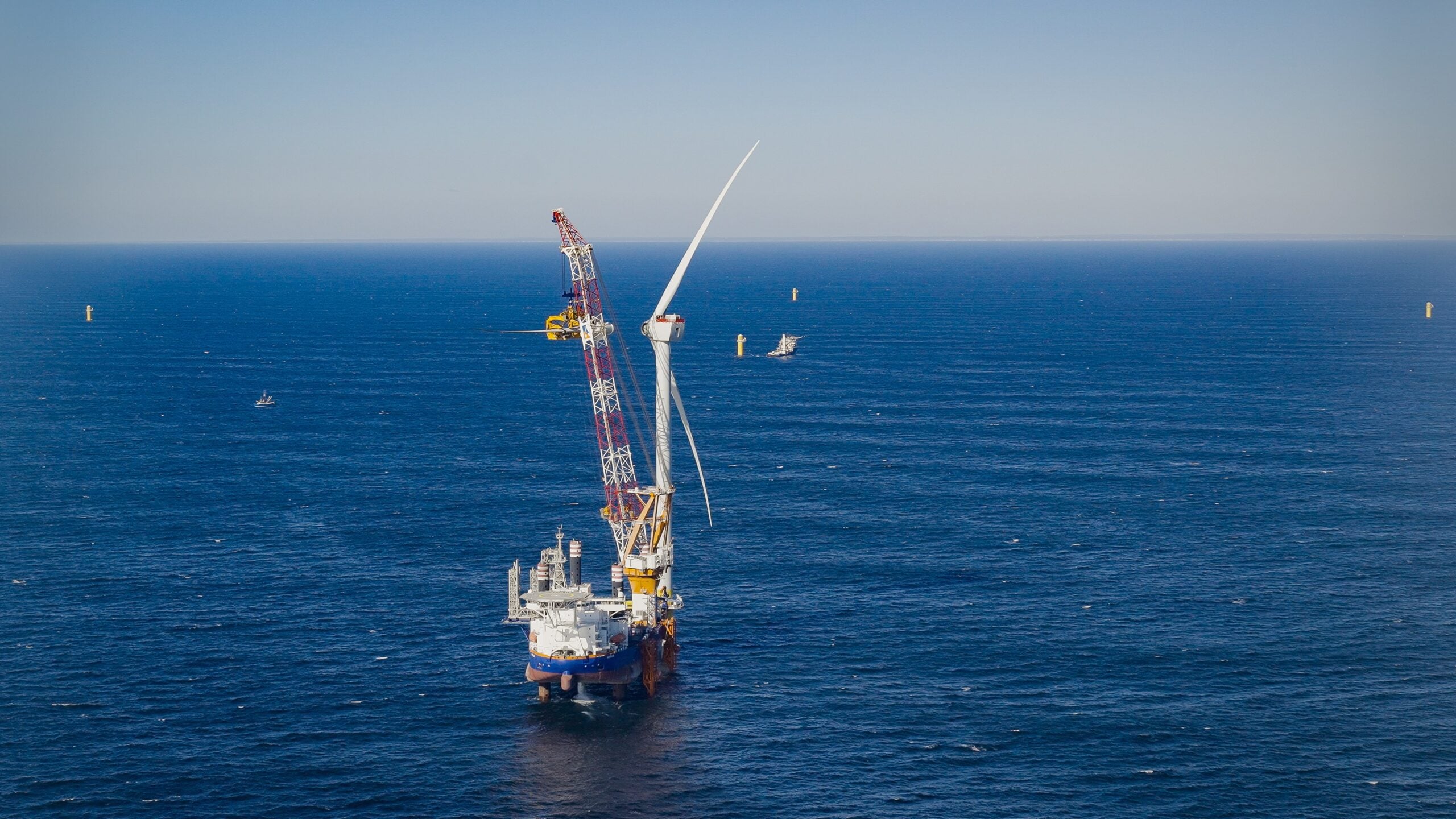
The Attorney General of New York, Letitia James, along with Governor Kathy Hochul, has initiated a legal action against the Trump administration over its disputed deal with TotalEnergies. This agreement ended a significant offshore wind lease off the coast of New York and redirected hundreds of millions of dollars to fossil fuel investments.
The lawsuit, filed on Tuesday with six other states, aims to overturn a deal from March that terminated TotalEnergies’ New York Bight offshore wind lease and provided $795 million in federal reimbursement linked to new investments in U.S. oil, gas, and LNG projects.
The crux of the disagreement is Lease OCS-A 0538, which was granted in 2022 for about $795 million. This area was supposed to support the Attentive Energy One offshore wind project, aimed at supplying electricity directly to New York City, powering over 700,000 homes, and generating approximately $25.6 billion in economic benefits during its lifespan. State officials claim this project would have created around 1,700 jobs and cut energy costs for New Yorkers by an estimated $10 billion.
This legal challenge is the latest development in an ongoing conflict regarding offshore wind development, particularly after the Trump administration changed its approach following multiple court losses earlier this year.
Federal courts had previously blocked attempts to halt various offshore wind projects on national security grounds, including Empire Wind and Sunrise Wind. Consequently, the administration adopted a new strategy of negotiating financial settlements that encouraged developers to give up offshore wind leases and redirect funds toward traditional energy projects.
According to the March deal, TotalEnergies agreed to forfeit both its New York Bight and Carolina Long Bay offshore wind leases and step back from future U.S. offshore wind development. In exchange, the company could recover its lease payment value while investing an equivalent amount into U.S. LNG and upstream oil and gas projects.
The Interior Department argued that this agreement addressed national security issues and promoted more reliable energy sources. Following this, TotalEnergies announced plans to ramp up investments in projects such as Rio Grande LNG and other U.S. energy initiatives.
New York and the coalition states contend that the agreement breaches federal laws regarding the cancellation of offshore leases. The complaint claims that the Interior Department did not hold the required hearings or make necessary legal findings demonstrating that continuing operations on the lease would likely cause serious harm to national security, property, life, or the environment. The states also challenge the use of the federal Judgment Fund, arguing that the payment was unrelated to valid litigation and instead a means to support the administration's opposition to offshore wind development.
The outcome of this case may have broader implications beyond just this lease.
Since the TotalEnergies deal, the administration has broadened its buyout strategy with additional agreements involving Bluepoint Wind and Golden State Wind, increasing the total capital of offshore wind leases redirected toward LNG and conventional energy projects to over $1.8 billion.
The results of this lawsuit could affect the future of U.S. offshore wind construction vessels, port investments, Jones Act feeder operations, and supply chain development linked to East Coast wind projects. Simultaneously, the administration's energy strategy has increasingly focused on LNG export infrastructure, making natural gas a key element of its wider "Energy Dominance" approach.
The lawsuit aims to annul the agreement, restore the canceled lease, and prevent further actions that state officials describe as illegal attempts to dismantle offshore wind development through financial settlements instead of regulatory processes.