
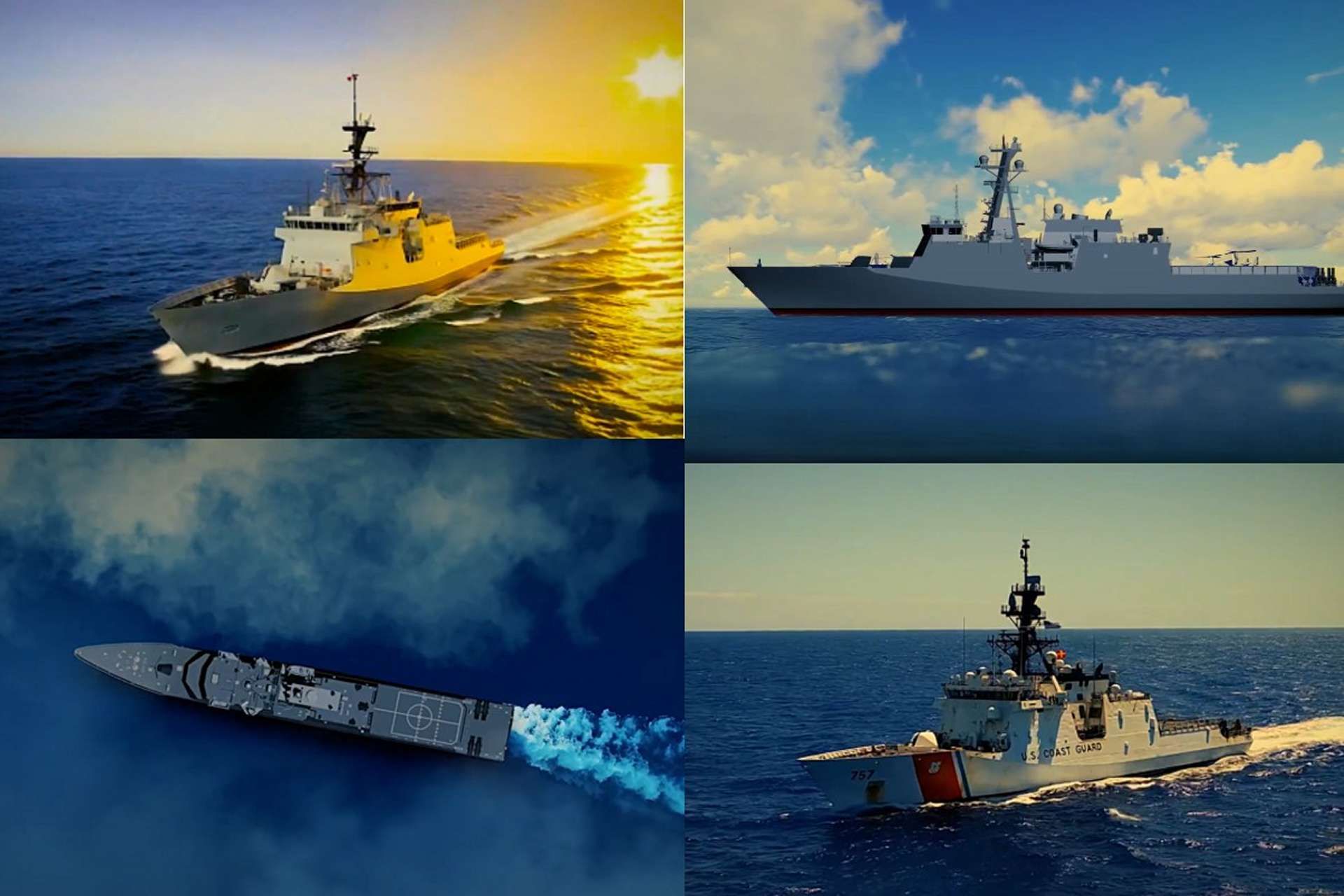
On Friday, the U.S. Navy announced a new direction in its approach to building surface combatants. They revealed plans for a new class of frigates based on the design of Huntington Ingalls Industries' Legend-Class National Security Cutter. This decision follows the cancellation of four ships from the Constellation-class program.
Secretary of the Navy John C. Phelan confirmed that they will acquire the FF(X) frigate using a faster method to get ships into service more quickly than usual. He stated, “To deliver at speed and scale, I’ve directed the acquisition of a new frigate class based on HII’s proven design. This American-built ship has been safeguarding U.S. interests both at home and abroad. President Trump has approved this plan as part of the Golden Fleet, and our target is to have the first hull launched by 2028.”
This shift comes as the Navy faces significant delays in the Constellation-class program. On November 25, the Navy announced that it would cancel four ships from this troubled program before construction even started, while allowing the first two vessels to continue being built at Fincantieri Marinette Marine's Wisconsin shipyard.
The lead ship of the Constellation-class was expected to be delivered in April 2026, but now it is projected to arrive three years later, in April 2029. This delay has raised concerns about the timelines for modernizing the fleet.
Chief of Naval Operations Adm. Daryl Caudle highlighted the benefits of using an existing design instead of creating a new one. He said, “By using a complete design and production baseline approach, we can reduce costs, schedules, and technical risks. We know this frigate design functions well, integrates with the Fleet, and we understand how to build it efficiently.”
The FF(X) will be smaller and more agile, designed to support larger multi-mission warships. Its main focus will be on surface warfare, but its flexible payload and capability to control unmanned systems will allow it to engage in a wide range of operations.
The Navy's strategy includes using a lead yard and competitive follow-on approach for multi-yard construction to boost production capacity across the maritime industry. Shipyards will be judged mainly on their ability to deliver combat-ready vessels to the fleet quickly.
The challenges faced by the Constellation program reflect issues noted by the Government Accountability Office (GAO) in multiple naval shipbuilding projects. A May 2024 GAO report pointed out that starting construction before completing ship designs goes against best practices and has led to increasing construction delays.
After the Constellation cancellations, Fincantieri Marine Group mentioned they expect new orders for other types of vessels, such as amphibious, icebreaking, and special missions ships. The company stressed that their agreement with the Navy ensures consistent work for their workforce of around 3,750 skilled workers across four U.S. shipyards.
The announcement of the FF(X) is the latest change in federal shipbuilding programs under the Trump administration, which has also canceled the planned 11th Legend-class National Security Cutter and partially halted the troubled Offshore Patrol Cutter program. The most recent addition to the Legend-class, USCGC Calhoun (WMSL-759), was commissioned in April 2024.
These developments come as leaders from the U.S. Navy and Coast Guard express concerns that the country's shipyards and industrial capabilities are falling significantly behind those of China.