
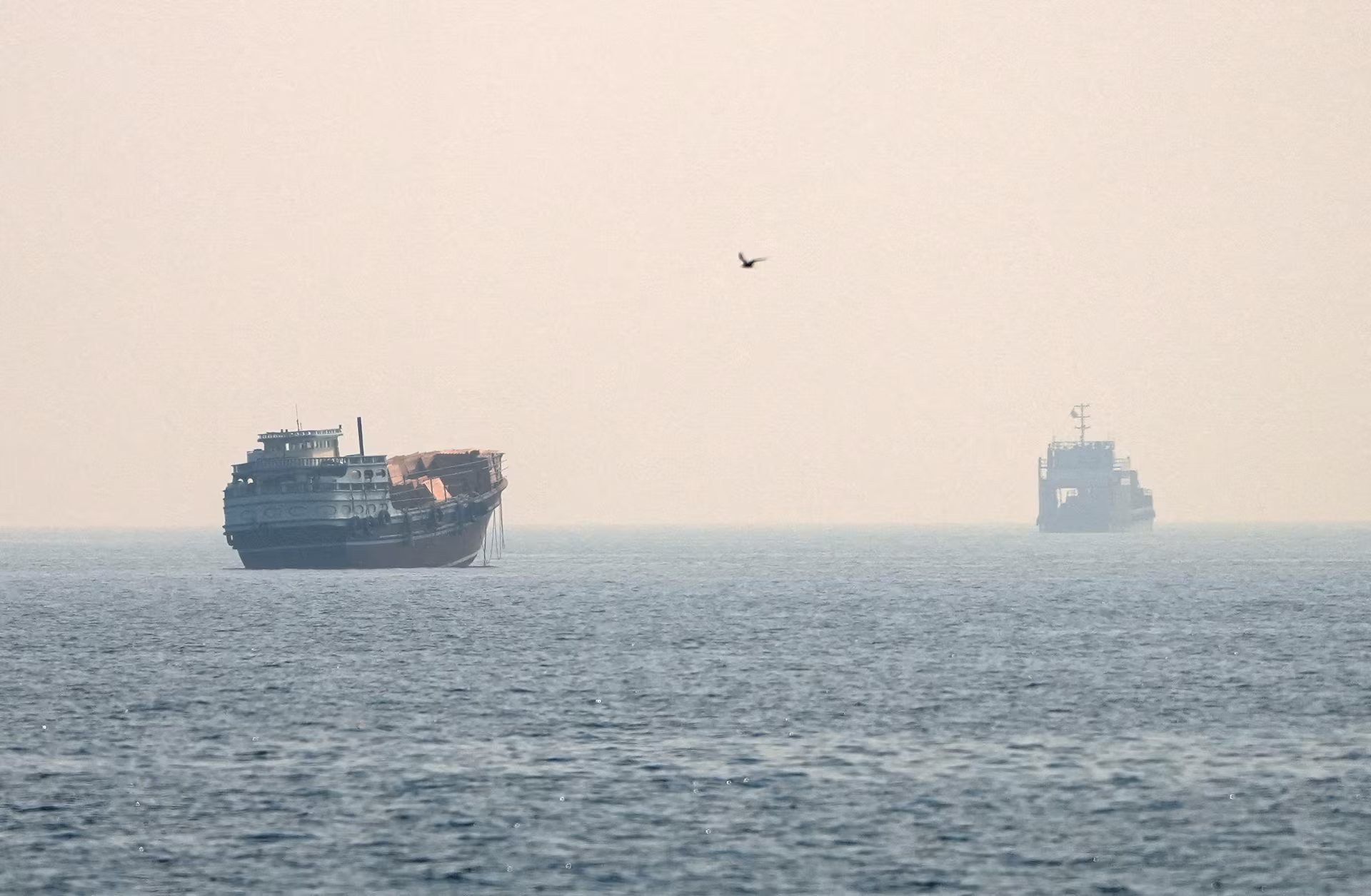
SINGAPORE/TOKYO, July 10 (Reuters) - More LNG tankers have started passing through the Strait of Hormuz recently, according to ship-tracking data. Japan reported that 22 vessels linked to Japan have departed the Gulf since Tuesday, despite ongoing conflicts in the Middle East.
The Strait of Hormuz is a vital passage for global oil and LNG shipments, and it has drawn attention from shipping companies and governments after recent Iranian attacks on commercial ships and U.S. retaliatory strikes on Iran, which have slowed traffic in the area.
However, at least five ballast LNG tankers have navigated the strait in the last few days, as shown by data from Kpler and LSEG.
These vessels include GasLog Shanghai, managed by Greek shipping company GasLog, and QatarEnergy-related carriers Al Samriya, Al Dafna, Al Gattara, and Al Rayyan.
The GasLog Shanghai and Al Rayyan are believed to have entered the strait overnight, having been seen outside the waterway on July 9, according to the data.
The other three QatarEnergy-linked vessels had last been spotted outside the Strait of Hormuz, off the coast of India, several weeks prior. Al Samriya and Al Gattara were last reported around June 18-19, and Al Dafna was noted on June 29.
QatarEnergy and GasLog did not respond to inquiries outside of regular business hours.
On Thursday, the Very Large Crude Carrier (VLCC) Nissos Kea made its way into the strait, while Lila Vadinar left.
“What’s different now compared to the beginning of the conflict is that Iran is attacking ships using the 'Omani route' instead of targeting all vessels. This means ships will increasingly choose the 'Iranian route' or transit without signaling when passing through the strait,” said Xavier Tang, a senior market analyst at Vortexa.
FOUR JAPAN-LINKED VESSELS REMAIN IN THE GULF
In the meantime, 22 Japan-linked ships, including six large crude oil tankers, successfully navigated the strait between July 7 and 9, leaving just four vessels in the Gulf, reported Japan's transport minister Yasushi Kaneko in a press conference on Friday.
When asked about how safety for the vessels was being maintained, an official from the transport ministry's overseas shipping division declined to comment due to security concerns.
The number of Japan-linked vessels in the Gulf has dropped from 45, which had around 1,100 crew members at the start of the conflict, to just four vessels with about 100 crew members, according to a spokesperson for the Japanese Shipowners' Association.