
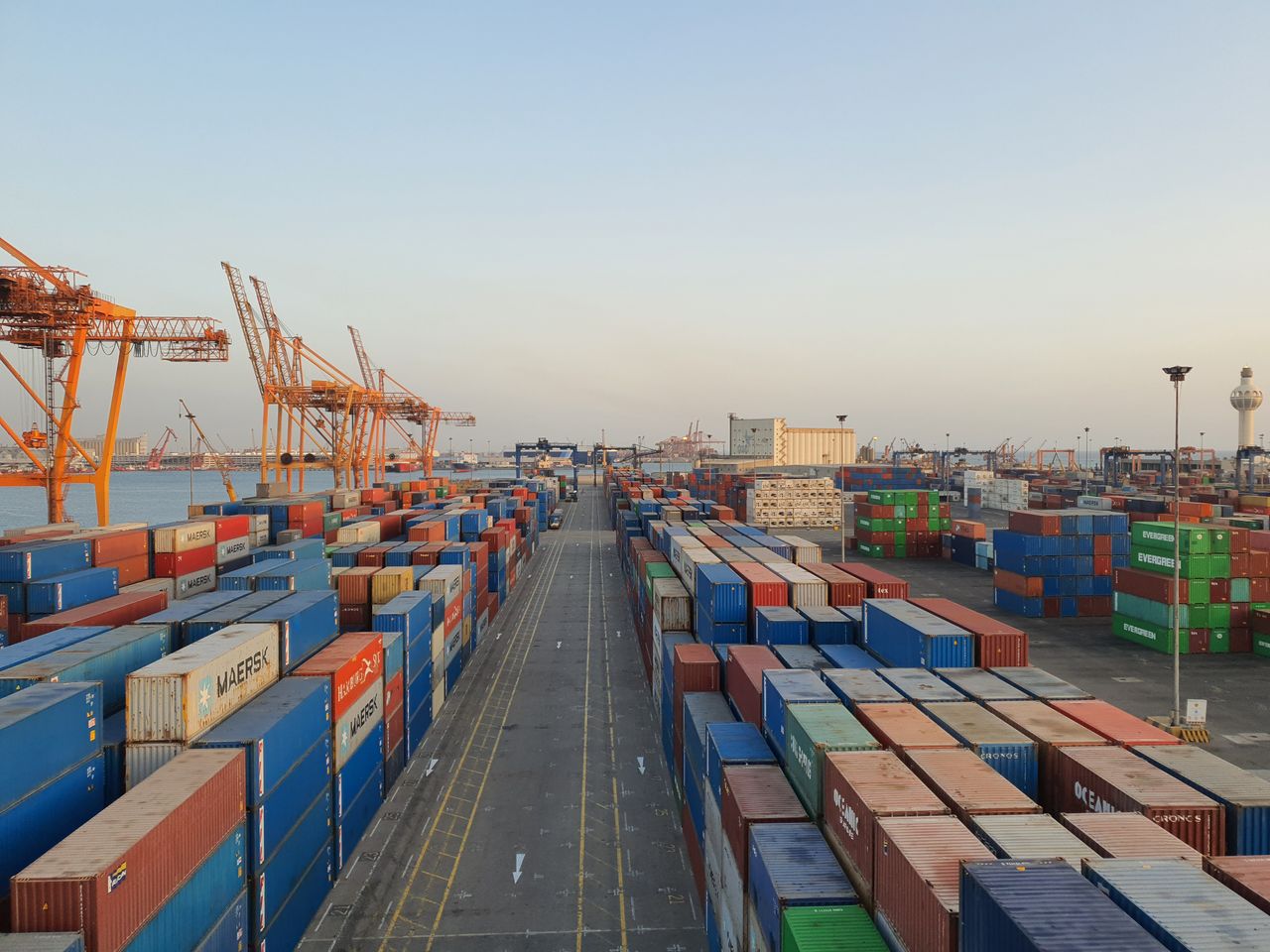
A group of Democratic lawmakers has reintroduced a bill that aims to make significant federal investments in clean shipping technologies. This proposal includes a program with a budget of $1 billion each year, which is designed to speed up the development of zero-emission vessels, cleaner fuels, and modern port facilities.
The Next Generation Shipping Act, brought forward by Sen. Chris Van Hollen (D-Md.) along with Reps. Nanette Barragán (D-Calif.) and Troy A. Carter Sr. (D-La.), aims to create a grant and financing program within the U.S. Maritime Administration (MARAD). This program will support research, development, testing, and commercialization of new maritime technologies. The bill proposes allocating $1 billion annually from 2026 to 2035.
Supporters argue that this measure will cut greenhouse gas emissions in the shipping industry while also enhancing the competitiveness of the U.S. maritime sector. It is expected to support domestic shipbuilding and manufacturing, as well as train the workforce for upcoming technologies in the maritime field.
“Maritime commerce is a crucial economic engine in our state, with the Port of Baltimore supporting over 273,000 well-paying jobs in Maryland,” Van Hollen stated. “That’s why we’re advocating for resources to boost U.S. competitiveness in global shipping by modernizing our maritime economy and building a future-ready workforce.”
The bill will fund projects focused on zero-emission and alternative-fuel vessels, upgrades to existing ships, shore power systems, charging and fueling infrastructure, vessel efficiency technologies, and workforce training programs. It also emphasizes collaboration among industry, ports, labor groups, educational institutions, and government agencies to speed up the commercialization of new maritime technologies.
Barragán, who represents areas near the Ports of Los Angeles and Long Beach, noted that the bill aims to balance the economic importance of shipping with the environmental and health concerns of nearby communities.
“Shipping is vital to our economy, especially at the Ports of Los Angeles and Long Beach, but it shouldn’t harm the health of our families,” Barragán explained. “The Next Generation Shipping Act focuses on investing in cleaner technologies, supporting American jobs, and ensuring the U.S. takes the lead in maritime innovation.”
Carter added that this proposal would modernize U.S. shipbuilding, create jobs, and reduce emissions in the maritime sector.
This legislation is introduced as the global shipping industry faces increased pressure to decrease emissions, following the International Maritime Organization's adoption of tougher climate goals. Countries in Europe and Asia have committed a substantial amount of funding to alternative marine fuels, zero-emission vessels, and clean port infrastructure. Supporters argue that without similar investments, the U.S. might lag behind.
Ocean Conservancy, among many organizations backing the bill, stated that it would position the U.S. maritime sector to compete in a growing global market for clean shipping technologies.
“The global shipping industry is nearing a green transformation, and the U.S. must act swiftly to stay competitive,” said Caroline Bonfield, senior U.S. policy manager for climate at Ocean Conservancy. “This bill will ensure that our maritime industry has the necessary resources to transition to clean shipping.”
The bill has received support from over 40 environmental and community organizations, maritime technology firms, and industry groups, including ABB, Elliott Bay Design Group, EV Maritime, International Electric Marine Association, Siemens Energy, and Zero Emissions Ship Technology Association. Additionally, four House members have signed on to co-sponsor the legislation.