
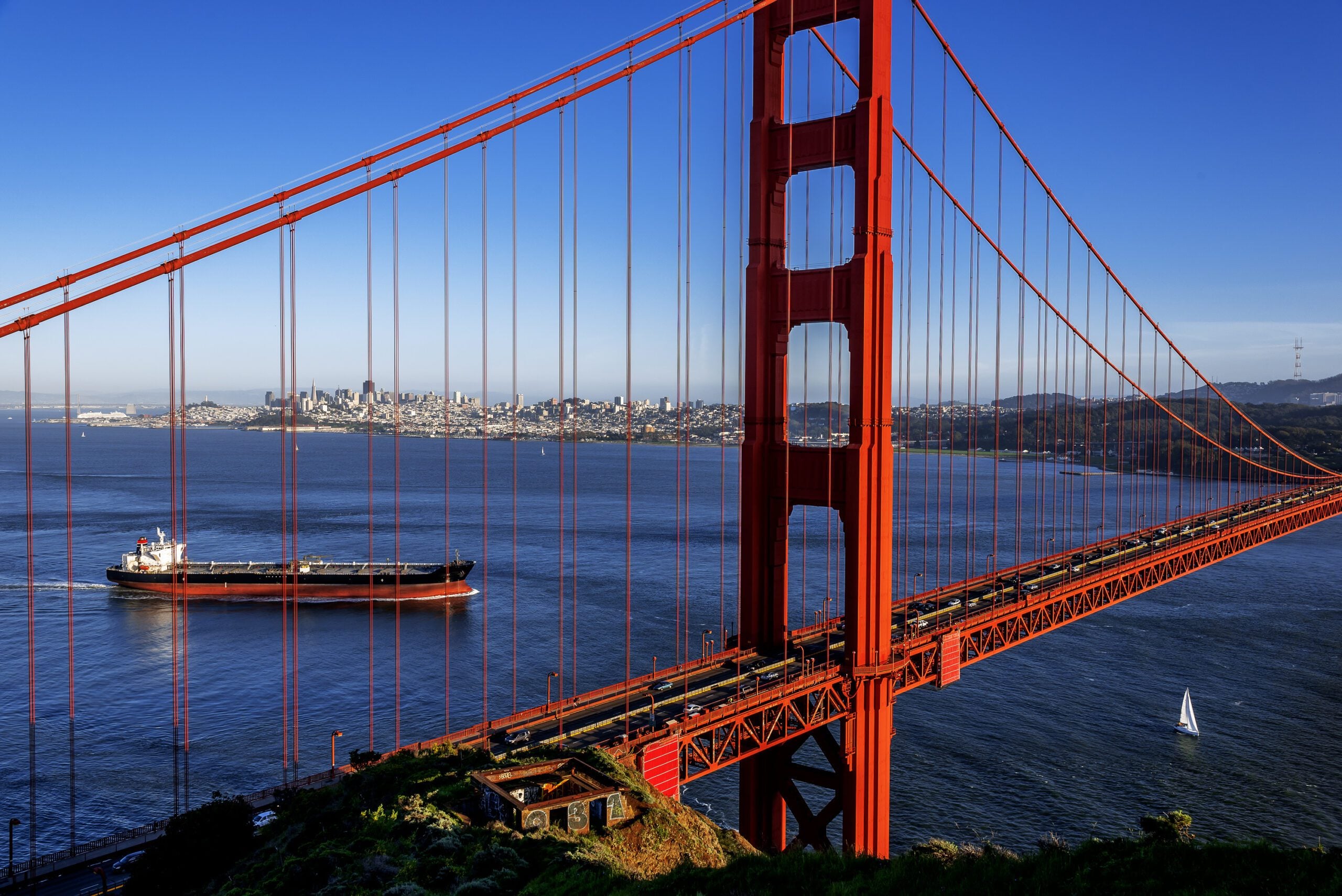
The emergency Jones Act waiver from the Trump administration is quickly changing how oil is moved in the U.S. It is allowing foreign tankers to operate between domestic ports, creating new trading patterns that are uncommon in today's U.S. energy market.
According to new data from RBN Energy, since the White House lifted key Jones Act restrictions in mid-March due to the crisis in the Strait of Hormuz, at least 60 shipments of crude oil and refined products have been made between U.S. ports. The waiver has now been extended until August 17.
This means foreign tankers are effectively becoming part of the U.S. fuel distribution system.
RBN reports that over 3 million barrels of gasoline, diesel, jet fuel, and crude oil have been sent to California alone. Additional shipments are also moving from the Gulf Coast to the East Coast, Florida, and Puerto Rico.
“This isn’t just a few random cargoes,” the RBN analysis noted. “Dozens of foreign-flagged vessels are transporting crude oil and refined products across the country.”
California Supply Issues
California is showing the most clear effects of how the Hormuz crisis is changing U.S. energy logistics.
Last year, the state imported about 230,000 barrels of Middle Eastern crude oil daily, according to Kpler. The recent issues with Gulf shipping have made it hard for refiners to access this supply. At the same time, California has lost around 575,000 barrels per day of refining capacity since 2020 due to refinery closures and shifts to renewable fuels at Phillips 66 and Valero Energy facilities.
Earlier this month, California welcomed the New Corolla, which was reported to be the last Iraqi crude oil tanker bound for California before conflicts escalated in February.
Dr. Noel Hacegaba from the Port of Long Beach commented, “This tanker shows how the conflict in Iran is changing shipping routes and increasing the price of gas and nearly everything consumers purchase.” He noted that about 20% of California's oil comes from the Middle East, which is why they are closely watching how this affects the state’s oil supply.
Foreign tankers are stepping in to help meet the demand.
One of the largest shipments monitored by RBN included the Singapore-flagged Pelican Pacific, which carried 322,000 barrels of gasoline blendstock from Houston to Los Angeles. The Solar Claire, also flagged in Singapore, made several fuel deliveries from Texas refineries to California, while the Marshall Islands-flagged Garnet Express transported nearly 300,000 barrels of gasoline from Washington State to Northern California. Another tanker from the Marshall Islands, the Cabo Deseado, frequently moved heavy crude and refinery feedstocks between Northern and Southern California refineries.
The situation has gotten so serious that crude oil from the U.S. Strategic Petroleum Reserve (SPR) has arrived in California for the first time.
Kpler reported that SPR crude from Louisiana was shipped through the Panama Canal on foreign-flagged vessels before reaching Chevron refineries in California, a highly unusual movement that highlights the dramatic changes in U.S. oil flows since the crisis began.
Chevron confirmed this month it was using the Jones Act waiver to transport crude from the Gulf Coast to the West Coast.
Gulf Coast as an Emergency Supply Hub
The waiver is also strengthening the Gulf Coast's role as a crucial fuel supply hub for the country.
Foreign tankers are transporting gasoline, diesel, jet fuel, ethanol, and crude oil from Texas and Louisiana to Florida, the Northeast, and Puerto Rico.
The Jones Act was initially created to support a domestic merchant marine and shipbuilding industry, requiring cargoes moving between U.S. ports to be carried by vessels that are U.S.-built, U.S.-owned, U.S.-flagged, and U.S.-crewed.
However, the number of eligible tankers has dropped significantly over the years. RBN estimates only about 100 Jones Act-compliant ships exist today, down from around 400 in 1950.
The future of the waiver is becoming a major political issue. The administration has presented the policy as a necessary emergency response to the Middle Eastern crisis and the need to stabilize domestic fuel supplies.
However, the waiver has sparked growing opposition in the U.S. maritime industry and among lawmakers in Washington, with critics arguing that it undermines the U.S. fleet without significantly lowering fuel prices. They warn that frequent waivers diminish the cargo base needed to sustain American shipbuilding, sealift capacity, and jobs in the maritime sector, especially as there are calls for revitalizing U.S. maritime strength.
At the same time, the waiver is highlighting deeper weaknesses within the U.S. maritime industry as energy companies rely more on foreign tankers for better flexibility, speed, and lower costs during times of crisis.