
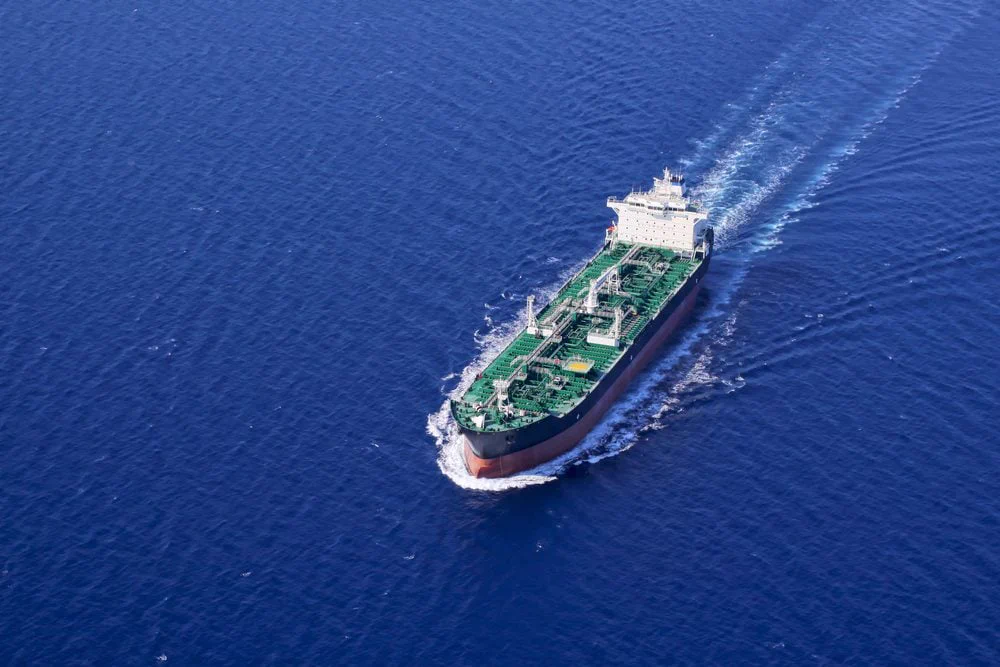
The Trump administration has decided to extend its emergency waiver for the Jones Act for another 90 days. This allows foreign-flagged ships to keep transporting oil and other goods between U.S. ports, but each case needs specific approval. This extension comes despite increasing pushback from the U.S. maritime industry.
This extension was confirmed on Friday by U.S. Customs and Border Protection (CBP). It will start on November 16 and last until February 14, 2027, marking the longest waiver ever issued under this century-old shipping law.
CBP reported that the Department of Homeland Security approved the third extension of the waiver, which was initially granted on March 17 at the request of the Department of War. Any cargo that qualifies must be loaded onto an authorized vessel by 11:59 p.m. Eastern Time on February 14.
Under the Jones Act, cargo between U.S. ports usually has to be transported on ships that are American-built, American-owned, and American-crewed. The government first relaxed these rules back in March because of disruptions in global energy markets caused by the conflict with Iran, which raised fuel prices.
The White House has defended the waiver as a way to help with transportation issues and provide more shipping flexibility.
Initially, the administration issued a blanket waiver, but in August, it shifted to a more strict approval process for each voyage after facing criticism from U.S. maritime operators, shipbuilders, and lawmakers.
This current approval process will continue under the new extension.
Companies that want to use foreign-flagged vessels need to submit requests, detailing the vessel, cargo, proposed route, and reasons related to national defense. The Maritime Administration (MARAD) then checks to see if there are any Jones Act-compliant vessels available for the job.
The final decision about whether the waiver applies to a specific voyage rests with the Department of War.
Pushback from the Maritime Industry
The extension was met with immediate criticism from U.S. maritime industry groups, who claim that these ongoing exemptions undermine the administration's goal of revitalizing American shipbuilding and strengthening the domestic fleet.
The American Maritime Partnership (AMP) has called for an end to the waiver and emphasized the need for strict enforcement of the current approval process.
"AMP calls for a prompt end to the waiver and looks forward to working with the Administration to achieve our common goal of restoring American maritime strength by encouraging investment in the U.S. fleet," the organization stated.
AMP also stressed that any granted exemptions should meet the legal standard for military necessity and not displace American vessels and workers on regular commercial trips.
Furthermore, the group highlighted that foreign operators benefiting from waivers are still subject to U.S. tax, immigration, and labor laws.
The Offshore Marine Service Association (OMSA), representing 170 firms and around 12,000 American workers, issued a strong warning, stating that repeated exemptions are damaging confidence in the U.S. maritime sector.
"The offshore industry has experienced this before. Every exception is presented as temporary, and each one reduces opportunities for American vessels and workers," said OMSA President and CEO Aaron Smith.
"What began as a 60-day measure is now nearing nine months without delivering results. Each extension signals to investors that the market for American vessels can vanish at any moment, leading to investment overseas."
OMSA also raised concerns about the transparency of the case-by-case approval process, arguing that information regarding approved shipments often takes weeks or months to be released after the cargo has already moved.
While MARAD does publish reports on waiver voyages, OMSA claims that the delays hinder effective oversight.
"The public still doesn't know who is requesting, what's being approved, or why," Smith said. "When the data is finally made public, it comes out long after the cargo has moved. That isn't true oversight; it's a retrospective account."
The association compared the current waiver to many years of regulatory exceptions affecting the U.S. offshore energy industry, stating that these have allowed foreign vessels to take work that would normally support American operators and workers.
With this latest extension, another three months of tension is on the horizon between the administration’s efforts to reduce domestic fuel transportation costs and its broader aim to revive America’s maritime capabilities.
For the time being, foreign-flagged vessels will still be allowed to carry approved domestic shipments until mid-February, while U.S. maritime groups continue to urge the government to end this emergency exemption.