
The nuclear regulator in China has given Jiangnan Shipyard (Group) Co., Ltd. the green light to make and install important civil nuclear safety equipment. This decision suggests progress in developing new nuclear-powered maritime platforms, ranging from experimental container ships to polar icebreakers.
The National Nuclear Safety Administration of China has authorized Jiangnan Shipyard to start work on specific civil nuclear safety equipment. This includes making and installing a steel reactor containment vessel and control rod drive mechanisms for a small floating reactor. The approvals come from two applications submitted by the shipyard and are valid for five years, allowing the company ample time to engage in nuclear-related shipbuilding projects.
Though the permits do not specify any particular vessel or project, they align with Jiangnan’s known involvement in various nuclear-powered maritime initiatives. Reports from Chinese media indicate that Jiangnan has released several tenders for building a “low alloy steel containment vessel.”
One of the most talked-about projects linked to Jiangnan is a proposed nuclear-powered container ship. This next-generation box carrier is designed to operate with low emissions on very long routes. Concept designs have emerged showing a large container ship featuring a compact reactor for propulsion and power generation.
This project is said to be a collaborative effort involving Chinese shipbuilders, nuclear engineering firms, and classification societies. However, no keel has been laid publicly yet, and the design seems to be in the feasibility or pre-engineering stages. The new approvals for containment and control mechanisms could be initial steps toward building reactor modules or testing facilities related to such a vessel.
Jiangnan is also part of a consortium led by China National Nuclear Corporation that is working on nuclear-powered icebreakers. Details are still limited, but Chinese media and industry updates have occasionally mentioned design developments and potential construction starts. The design for this vessel was revealed in December.
A nuclear icebreaker would enable China to carry out year-round operations in the Arctic without the need for refueling, enhancing logistical capabilities along emerging polar shipping routes. These vessels would also support China’s long-term goals in Arctic research, resource exploration, and maritime presence.
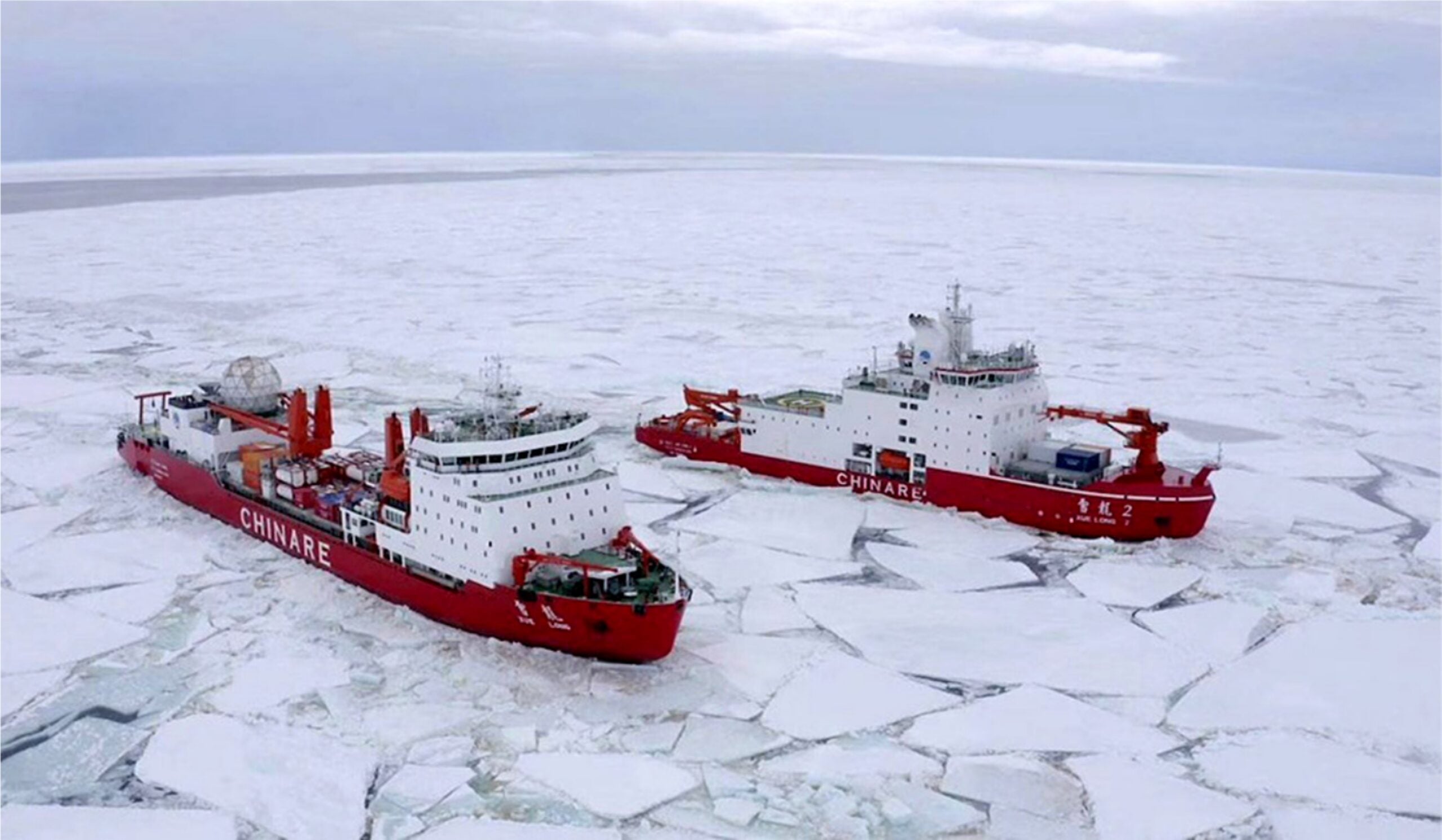
Jiangnan has already demonstrated its ability in icebreaker construction; it built China’s first domestically constructed polar research icebreaker, Xue Long 2, which started service in 2019. This project showcased its capability to integrate advanced hull designs, propulsion systems, and polar engineering standards.
China’s shipbuilding industry has seen rapid growth over the last decade, leading the world in commercial ship orders while also increasing production for naval vessels. Major shipyards are now exploring advanced propulsion technologies, including LNG, ammonia, methanol, and possibly nuclear power.
If these nuclear-powered container ships or icebreakers come to fruition, it would represent a significant technological advance.
The new license for nuclear safety equipment does not confirm which project Jiangnan will pursue or if multiple programs will move forward simultaneously. However, the approval aligns with the shipyard’s ambitions and provides the essential regulatory support needed to fabricate reactor containment structures and related systems.