
TOKYO, July 24 – A recent study of rare earth-rich mud collected from the deep seabed near a remote Pacific Island earlier this year revealed that medium and heavy rare earth elements make up about 54% of the total rare earth content, according to Japan's government.
However, they did not provide details on the exact amount or size of the deposits, stating that the information was limited due to the short sampling period and the small geographic area involved.
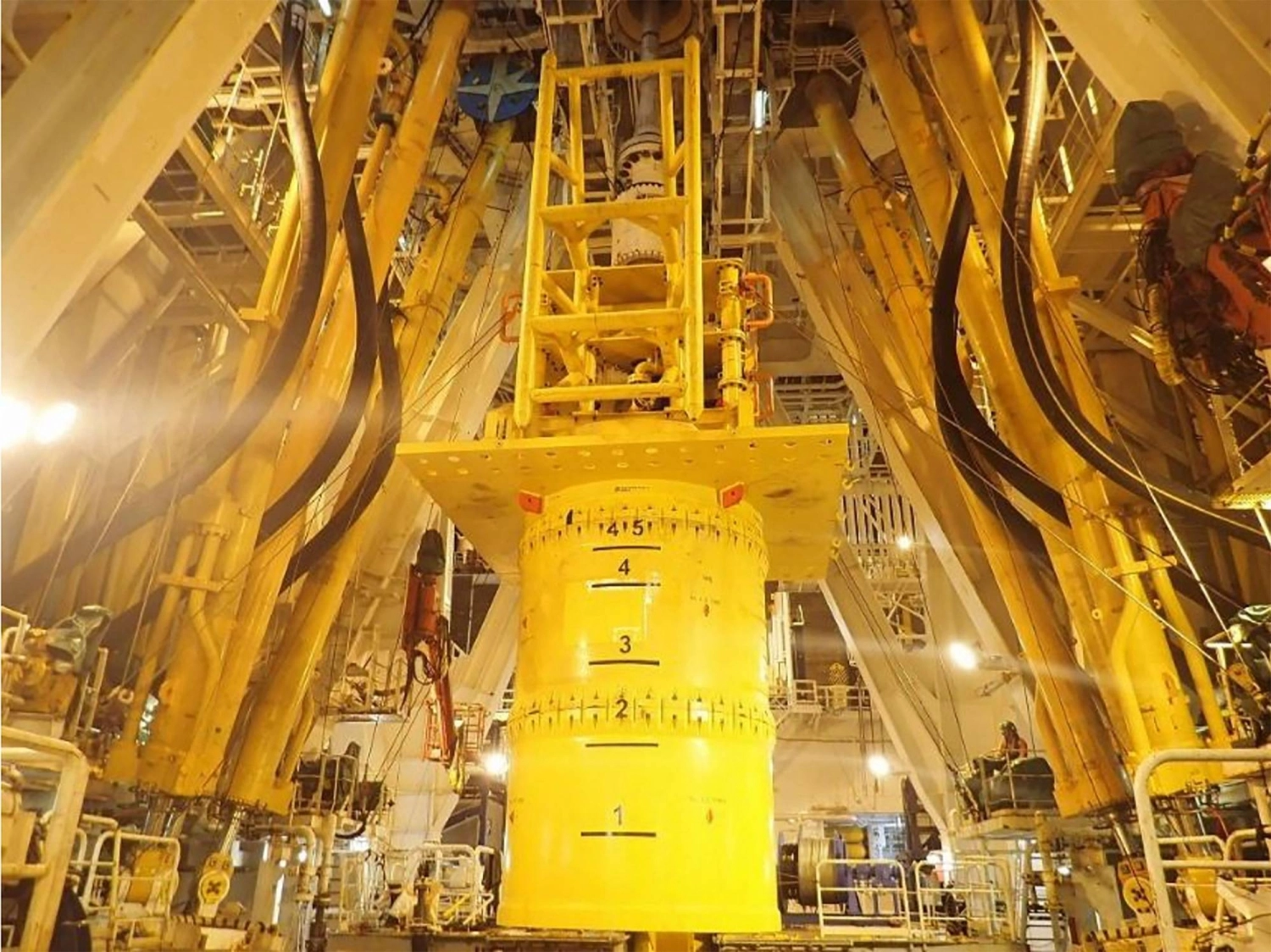
The Japanese scientific drilling vessel, Chikyu, completed a month-long expedition in February near Minamitori Island, located about 1,900 km (1,200 miles) southeast of Tokyo. This marked the world’s first successful continuous retrieval of rare-earth-bearing seabed mud from depths of approximately 6 km (4 miles).
This project is part of Japan's effort to diversify its sources of critical minerals, especially amidst tightening Chinese export controls on heavy rare earths and magnets that are essential for the defense and automotive sectors.
Approximately 50 metric tons of mud were collected. The analysis found yttrium, which is used in aerospace, energy, and semiconductor industries; gadolinium, which is important for magnetic resonance imaging and other high-tech applications; and dysprosium, which is utilized in high-performance magnets for electric vehicles, according to Japan’s Cabinet Office.
Japan plans to conduct a large-scale mining trial in the same area starting in February 2027, with a goal of dredging 350 tons of mud per day. The material will be dewatered on Minamitori Island and processed on the mainland to evaluate separation, refining, and smelting technologies.
The trial aims to confirm the feasibility of producing rare earth elements domestically, with a full assessment of industrialization prospects expected by March 2028, according to Kazushige Kikuchi, project manager at the Japan Agency for Marine-Earth Science and Technology, which operates the Chikyu.
In April 2025, Beijing implemented export controls on some heavy rare earths and related magnets, tightening restrictions further in January and again the following month, affecting major companies.