
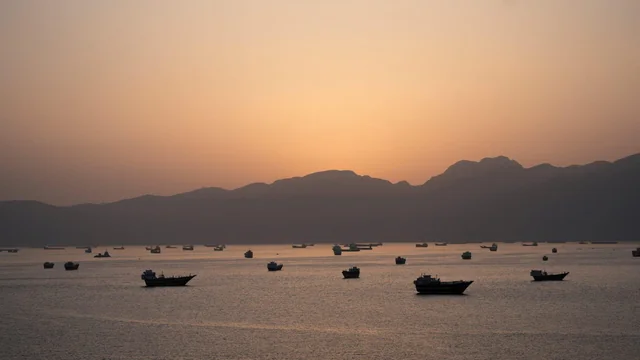
DAMMAM, Saudi Arabia, May 22 — A new map released by Iran claiming control over the Strait of Hormuz is worsening the situation for thousands of sailors stranded on ships in the Gulf.
Currently, over 20,000 sailors are stuck on about 2,000 vessels in the Gulf, many unable to leave their ships due to a lack of food, fresh water, and a sense of dread about what awaits them in this conflict zone.
In recent interviews, sailors have shared their struggles and fears, and their representative federation has warned about the severe conditions they face.
“All we do is plan how to get through the night and hope we don’t get hit during an attack,” said Indian sailor Salman Siddiqui, speaking from his stranded ship last month.
ISOLATED LIVES
During a recent visit to the vessels anchored off the Saudi coast, sailors on a tanker gathered to wave from the handrail, marking a rare connection with the outside world.
For almost three months, the sailors have been isolated, confined with just a small group of shipmates in cramped living spaces, shared dining areas, and on hot, sun-baked decks.
Since Iran closed the strait—a vital oil route—following U.S.-Israeli strikes on February 28, thousands of ships have been trapped, and with peace talks failing, Iran is intensifying its blockade.
This week, Iran's Persian Gulf Strait Authority released a map reaffirming its claims over significant sections of this critical waterway.
Ship owners trying to retrieve their vessels and valuable cargoes face a complex system of fees and permissions set up by Iran.
“Seafarers are more vulnerable during this war. Their exposure is extreme,” said Mohamed Arrachedi from the International Transport Workers’ Federation.
He noted incidents of delayed payments, refusals to assist in repatriating sailors, shortages of supplies, and the ever-present threat of missile attacks. Some seafarers called him crying, he mentioned.
The ITF has been reached out to by more than 2,000 sailors seeking help on issues such as abandonment, delayed pay, and lack of supplies since the conflict started.
STUCK AT SEA
From the Saudi port of Dammam, around seven large ships could be seen anchored out at sea—a high number for this area under normal circumstances. As a resupply ship moved next to a tanker, sailors shouted across the water while unloading large sacks of medical supplies.
Captain Mohit Kohli, whose German-owned cargo vessel got caught in the Gulf after leaving Singapore, shared his disbelief when he first heard about the potential closure of the strait.
His ship was safely anchored off Dammam, but just a week into the conflict, the crew began hearing and seeing missiles and drones targeting Gulf states.
“The crew, once lively and talkative, fell silent. Meals became shorter, and conversations more cautious,” he recalled during an interview after returning to India.
Fortunately, Kohli and his crew received assistance in bringing in a relief team, but many others are not so lucky. Arrachedi noted that some sailors have not been paid their already meager salaries of $100 to $200 per month for over a year, and some shipowners refuse to help them return home, or only offer to do so if they give up their back pay.
Some sailors are surviving on just one meal a day of rice or lentils and have limited internet access to contact family or seek external help, according to Arrachedi.
“They require urgent intervention because they play a crucial role in our economies and supply chains, yet they are ordinary civilians,” he emphasized.
Gulf states are taking steps to help sailors by providing supplies and facilitating crew transfers.
“For seafarers trapped on a vessel in uncertain waters, knowing there is a safe shore to reach is crucial,” stated Suliman Almazroua, president of the Saudi Ports Authority.
The authority has been instrumental in resupplying hundreds of vessels with essential items like food, water, fuel, and medical supplies, and has assisted over 500 sailors in transferring from their ships. Almazroua mentioned that the grateful messages from sailors he has helped are the most rewarding part of his role.