
A key Iranian commander, who had been a major threat to global shipping in the Strait of Hormuz, has reportedly been killed, as confirmed by the U.S. military.
Rear Adm. Alireza Tangsiri, the leader of Iran's Islamic Revolutionary Guard Corps Navy (IRGC-N), died in an Israeli airstrike. U.S. Central Command announced this on Thursday, labeling his death as a significant setback for Iran's naval strength.
“His death makes the region safer and won’t be forgotten,” stated CENTCOM commander Adm. Brad Cooper. “Tangsiri was responsible for threatening merchant ships, attacking vessels, and causing the deaths of innocent sailors for many years.”
The statement went on to claim that Iran’s naval forces have suffered extensive damage recently. “Iran’s naval capabilities are in irreversible decline,” Cooper noted, mentioning that 92% of the IRGC Navy's large ships have been destroyed in ongoing operations.
In a direct warning, CENTCOM told remaining IRGC naval personnel to stand down. “To those who remain: you do not have to share his fate,” the statement advised. “Abandon your posts.”
Tangsiri’s reported death occurs at a crucial time for global shipping, as the Strait of Hormuz, through which about 20% of the world's oil and gas flow, continues to face extreme tensions due to ongoing conflict in the area.
However, Tangsiri’s influence over this waterway dates back well before the current crisis.
As early as 2019, he warned that Iran would close the strait if U.S. sanctions hindered the country’s oil exports, using Hormuz as leverage against Washington. At the time, such threats seemed mostly rhetorical.
But they became serious over time.
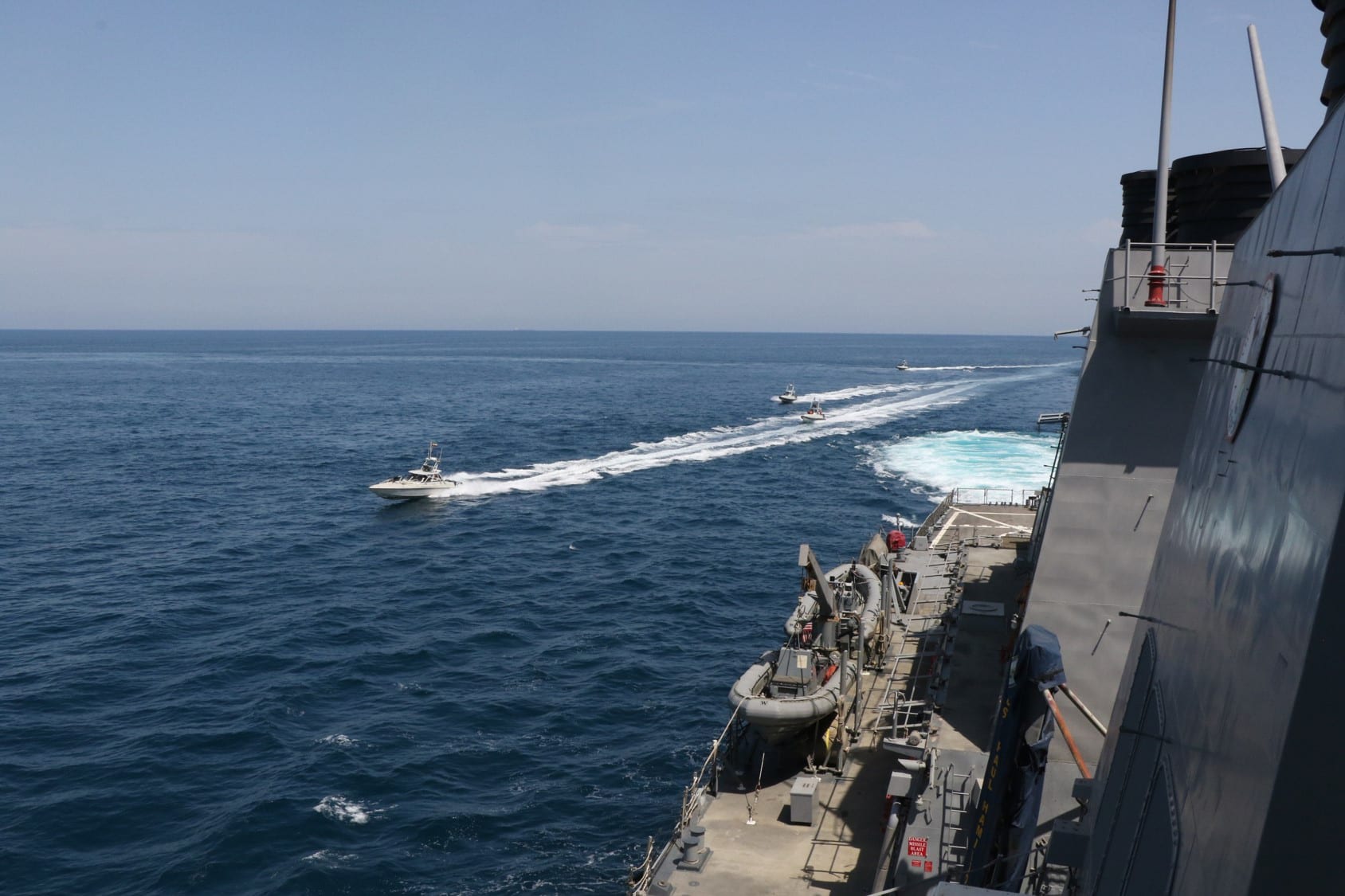
Under Tangsiri's leadership, the IRGC Navy developed tactics focusing on asymmetric pressure—using fast boats, close encounters with U.S. warships, and a network of drones and coastal missile systems to threaten vessels in the narrow strait.
By 2024, this strategy led to direct actions against commercial shipping. The IRGC seized the Israeli-linked containership MSC Aries in a high-profile operation, marking a clear indication that Iran was willing to carry out its threats.
Recently, this approach evolved further.
In mid-February, Iran temporarily shut down parts of the Strait of Hormuz during live-fire naval drills, demonstrating Tehran’s readiness to disrupt maritime traffic. Iranian officials have since stated they have “no red lines” in defending the strait and are asserting more control over commercial shipping.
Tangsiri was the public face of this aggression, claiming responsibility for turning back the containership SELEN earlier this week and warning that all vessels must work with Iranian authorities for passage.
Some industry reports suggest that vessels have faced unexpected transit fees of up to $2 million per trip, and overall traffic through Hormuz has significantly decreased as shipowners consider rising security risks, insurance challenges, and the lack of consistent naval support.
This change suggests a more systematic control over one of the world’s most important maritime routes.
Tangsiri played a crucial role in this new approach.
His recent statements indicated a tougher stance, insisting that vessels must follow Iranian procedures to transit the strait. This messaging, along with real enforcement actions, indicated that Tehran was transitioning to a de facto managed transit regime.
For shipowners and charterers operating in a risky environment, Tangsiri’s death might not offer immediate comfort. Despite U.S. claims of significant damage to Iran’s naval forces, attacks on merchant ships and traffic disruptions continue, with the Strait of Hormuz effectively remaining in wartime conditions.
For nearly a decade, Tangsiri oversaw Iran’s strategy regarding Hormuz—progressing from threats to seizures to direct control over shipping.
Though he may be gone, the strategy he helped create remains very much in effect.