
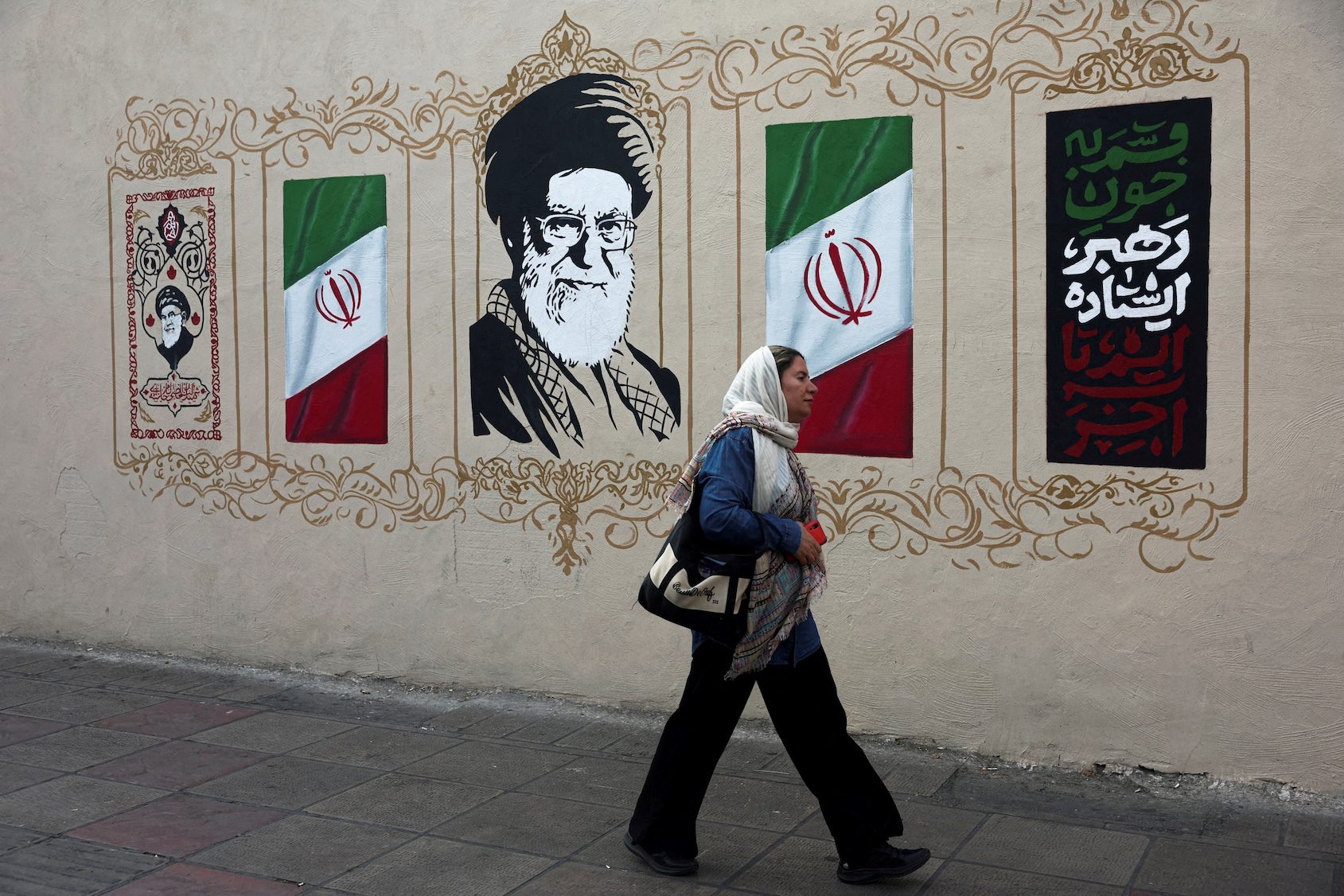
DUBAI/WASHINGTON, Aug 21 (Reuters) – Iran warned on Friday that it would deliver a "devastating" response to any new threats from the U.S., following Washington's promise to implement the toughest financial sanctions in history aimed at changing the leadership in Iran.
U.S. Treasury Secretary Scott Bessent indicated he would provide more information about the sanctions on Monday. This comes after President Donald Trump warned of economic consequences for any country that offered "any type of lifeline to Iran."
Iran's Armed Forces chief, Major General Ali Abdollahi, stated that the nation would have a strong and broad response to any threats. He emphasized that Iran's military is ready to react decisively across land, sea, air, and cyberspace, delivering "crushing, punishing, and devastating responses" as reported by Iranian media.
Mohammad Baqer Qalibaf, the speaker of Iran's parliament and chief negotiator in talks with the U.S., said that it seems Washington has realized it cannot win in a direct military confrontation. He mentioned that Iran needs to devise strategies to cope with the unfair sanctions in order to rise above them, accusing the U.S. and Israel of engaging in economic and "cognitive" warfare.
While addressing Iranian and Iraqi business leaders, Qalibaf acknowledged the challenges facing Iran's economy. He stated, "No matter how much military power we have, we won’t survive if people are hungry and we don’t have financial turnover, economic growth, and national production," according to the official news agency IRNA.
OIL PRICE IMPLICATIONS
Oil prices dipped slightly on Friday but were still likely to see a second consecutive weekly gain, spurred by the new threat of U.S. sanctions announced earlier in the week.
Bessent commented on the oil price increase, stating uncertainty surrounds its rise: "If we are applying maximum economic pressure, then it likely means there won't be a large-scale military action," referring to military force.
The ongoing conflict has caused thousands of casualties and affected global fuel prices, especially as Iran has targeted shipping in the Strait of Hormuz, a critical route that once facilitated about 20% of global oil trade before February.
Only seven commodity ships passed through the Strait of Hormuz on Thursday, a significant drop from over 130 ships on a typical day before the war, as reported by ship-tracking data.
Trump's initial goals at the war's start included dismantling Iran’s nuclear program, limiting its attacks on regional rivals, and enabling a change in Iran's government. However, many of those objectives have yet to be achieved.
The U.S. and Iran have attempted to establish ceasefires twice, in April and June, to restore safe navigation in Hormuz and move towards ending the conflict that has lasted nearly six months, but both attempts quickly fell apart.
Bessent announced he would discuss specific actions regarding Iran in a press conference on Monday, asserting, "We are going to collapse this regime," while describing the reimposed naval blockade and sanctions as a "one-two punch."
Despite facing persistent economic sanctions for nearly 50 years, since the 1979 Islamic Revolution, Iran's citizens are enduring high inflation, currency devaluation, and energy shortages, coupled with deteriorating infrastructure.
Some Iranians expressed concerns that increasing sanctions could lead to greater hardships, potentially undermining the clerical regime and sparking unrest. However, no significant demonstrations have been observed since a deadly crackdown on protests in January.
Iran's Foreign Minister Abbas Araqchi took a defiant stance on social media, referencing failed U.S. economic pressure attempts from past years and asserting that this latest effort is also bound to fail.
LATEST SANCTIONS IMPACT ON OIL SUPPLIES TO CHINA
Domestically, Trump is facing mounting pressure to conclude the conflict, with rising fuel prices threatening his approval ratings and the Republican Party's grip on Congress ahead of the midterm elections in November.
Bessent noted that since China receives half of its energy from the Gulf, it would be prudent for them to comply with U.S. pressure.
China is reported to purchase over 80% of Iran’s exported oil, but increased U.S. economic actions against China could provoke retaliation. Offers of Iranian crude to Chinese buyers have already decreased since the U.S. re-established its blockade on Iranian ports in mid-July, according to trade sources.
China’s embassy in Washington expressed that sanctions and pressure are not effective methods for resolving issues and called for diplomatic solutions.
Tightening the sanctions poses additional risks, particularly for U.S. allies in the Gulf, where Iranian attacks have previously targeted energy facilities and vital desalination plants necessary for drinking water.