
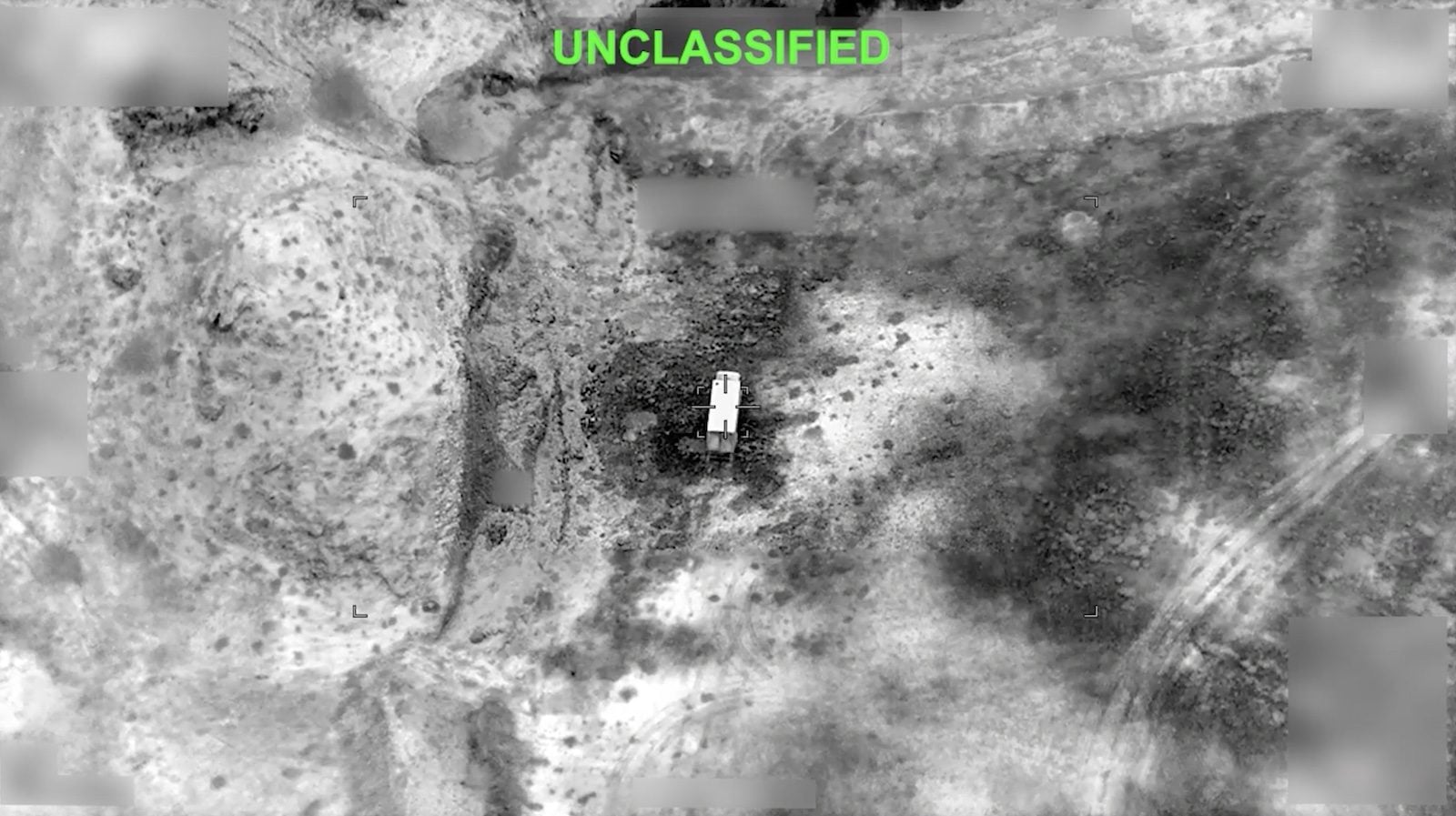
CAIRO/DUBAI, July 15 - The U.S. has recently launched new airstrikes targeting Iran's coastal defense systems and sites for cruise missile storage and launch. This follows the reintroduction of a naval blockade on Iranian ports, while Iran has threatened to halt more regional energy exports.
These attacks represent a growing tension between the two nations as they compete for control over the Strait of Hormuz, a crucial shipping route that previously handled about 20% of the world's oil and gas exports.
“At 6 a.m. ET today, U.S. Central Command forces began conducting a series of strikes against Iran," stated the U.S. military.
These strikes aim to reduce the military capabilities that Iranian forces have used to target commercial shipping in the Strait of Hormuz.
There was no immediate report from Iranian media regarding these attacks. According to a statement from U.S. Central Command, the military targeted coastal defense systems and cruise missile sites on Iran’s Greater Tunb Island, completing the airstrikes in about 90 minutes.
On Tuesday, the U.S. military had reported hitting numerous military targets near the Strait of Hormuz and in Iranian coastal areas during airstrikes that lasted seven hours.
In retaliation, Iran's Islamic Revolutionary Guard Corps claimed on Wednesday that it had attacked U.S. military targets in the surrounding region, including in Bahrain, Kuwait, and Jordan.
Iran also warned of the potential closure of additional energy export routes, asserting that the U.S. “should prepare for the shutdown of all other export corridors that benefit the U.S. and its allies.”
Hostilities have grown since Iran announced the closure of the Strait of Hormuz last Saturday. The U.S. alleges that Iran attacked seven commercial ships in the past week, resulting in casualties among crew members.
'END OF AMERICA'S EVILS'
The conflict, which began with U.S. and Israeli attacks on Iran on February 28, has led to retaliatory Iranian strikes on Gulf states hosting U.S. bases and caused significant disruptions to global energy supplies, raising inflation concerns.
On Wednesday, oil prices rose by about 1%, following a recent peak.
An interim ceasefire agreement signed last month aimed to spark further negotiations concerning Iran's nuclear program and establish a permanent ceasefire; however, talks have stalled.
Analysts suggest that while U.S. and Iran have resumed their confrontations similar to prior to the ceasefire deal, a full-scale war seems unlikely, although the risk of escalation persists.
Iran appears to be indicating its willingness to involve its Houthi allies in Yemen to target the Bab el-Mandeb Strait, which could create a new conflict front against the U.S. and threaten two critical energy routes.
As a result of the ongoing conflict, Iran seeks to establish permanent control over shipping in the Strait of Hormuz, potentially imposing fees on vessels, representing a significant shift in the region where the U.S. has traditionally ensured security.
The IRGC announced on Wednesday that the Strait of Hormuz would remain closed until what it referred to as “the end of America’s evils.”
Shipping data indicated an increase in Iran-linked vessels passing through the strait before the new U.S. blockade on Iranian ports was enforced.
TRUMP THREATENS TO HIT ENERGY TARGETS
U.S. President Donald Trump, while facing domestic pressure to avoid a full-scale war, threatened to target Iranian power plants and bridges next week if Tehran does not return to negotiations.
“I will save energy targets for last, but ultimately we will target them,” Trump stated.
U.S. negotiators have reached out to their Iranian counterparts, urging them to “make a deal,” according to Trump.
As tensions escalated, Trump on Monday proposed a 20% fee on shipping through the strait, but he later abandoned this idea, opting instead for investment agreements with Gulf states without disclosing further details.
The ongoing conflict has caused the deaths of thousands and displaced millions, particularly in Iran and Lebanon, where violence has reignited between Israel and Iran-backed Hezbollah.
Iranian officials reported that at least 30 civilians had died recently due to U.S. strikes in southern Iran, while Iran's military noted that at least seven active-duty and conscript personnel were killed in U.S. strikes on a military base in southeastern Iran.