
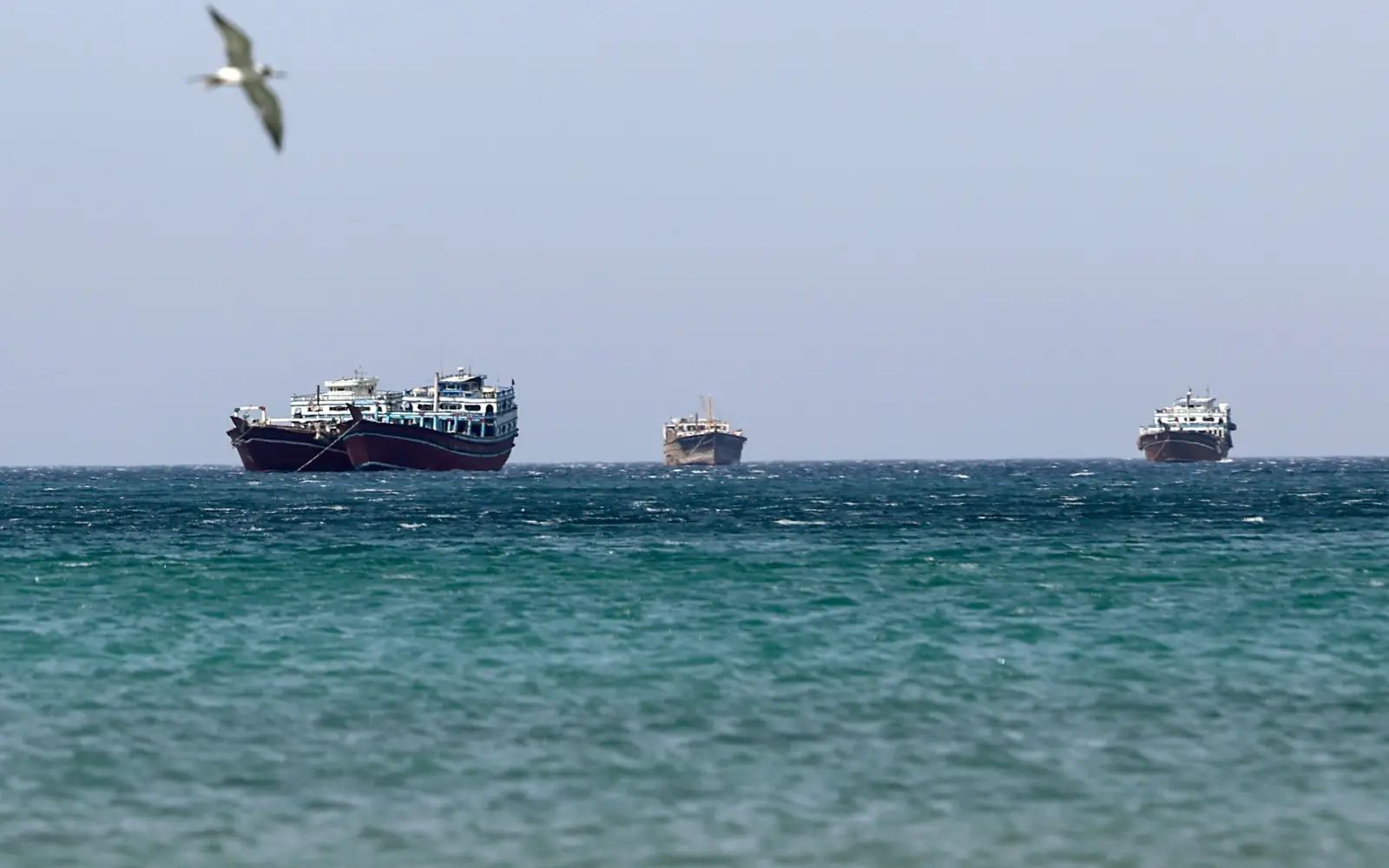
DUBAI, April 17 (Reuters) – A senior Iranian official stated that all ships can pass through the Strait of Hormuz, but they need to coordinate with Iran’s Islamic Revolutionary Guard Corps (IRGC). He mentioned that unfreezing Iranian funds is part of the agreement.
Foreign Minister Abbas Araqchi announced on X that the strait is open following a ceasefire deal in Lebanon. Meanwhile, U.S. President Donald Trump expressed optimism that a deal to end the Iran war would be reached "soon," although the exact timing is still unclear.
The Iranian official clarified that transit will be limited to routes deemed safe by Iran, and military vessels are still not allowed to cross the strait.
It’s still unclear if the announcement affects the established Traffic Separation Scheme (TSS) lanes used by international shipping since the 1970s for entering and exiting the Gulf.
“Even U.S. vessels would be allowed, with military ships being the exception,” he said.
The official further stated that certain routes through Hormuz would stay open, but they must be recognized as secure by Iran.
“Navigation will occur with coordination from Iran and approval from the Guards and Iran’s Ports and Maritime Organization to ensure shipping safety,” the official added.
Shipping industry groups are currently assessing the situation.
“We are verifying the recent announcement about the reopening of the Strait of Hormuz to ensure it complies with freedom of navigation for all merchant vessels and safe passage,” said Arsenio Dominguez, secretary-general of the International Maritime Organization (IMO).