
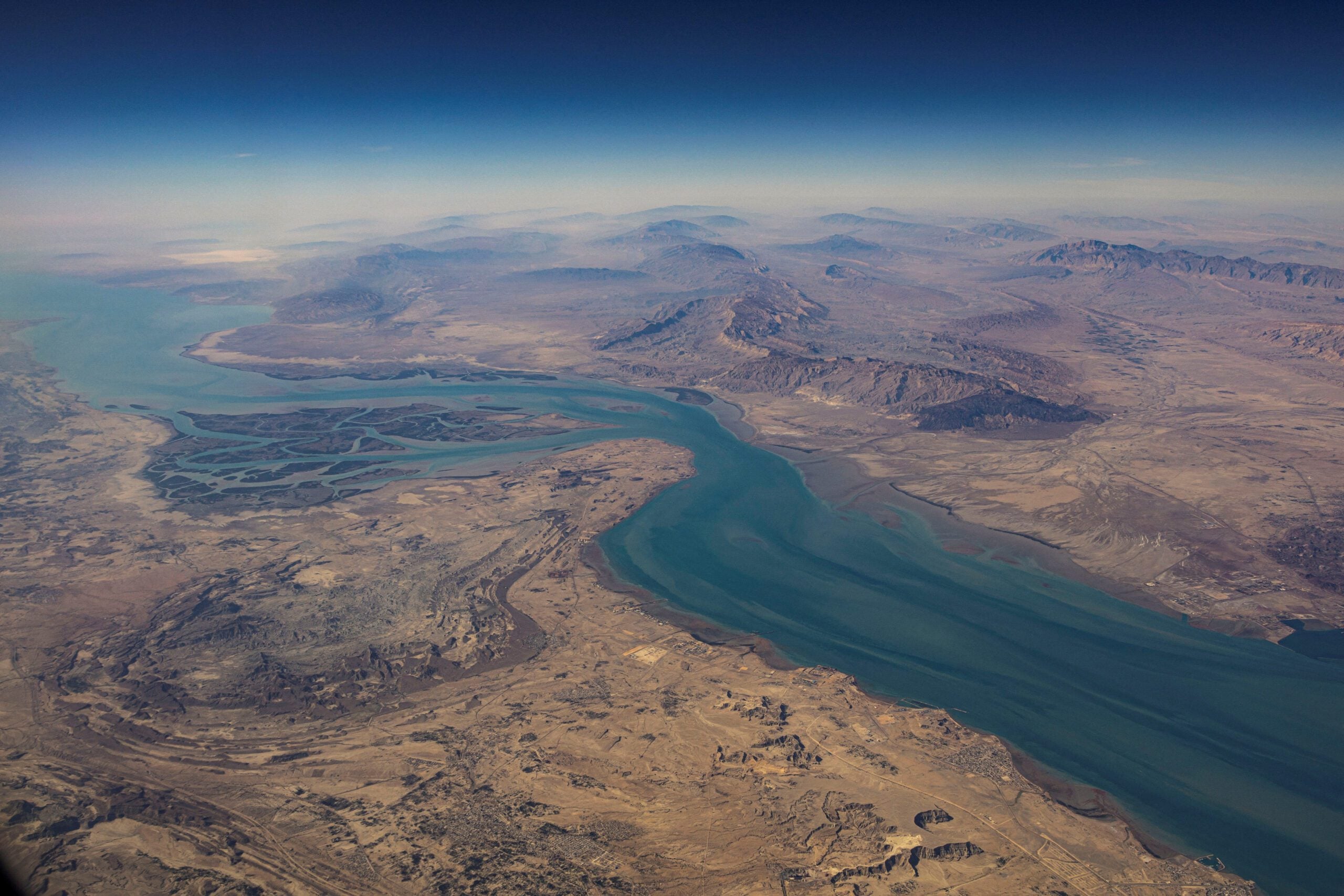
(Bloomberg) — The Iranian parliament is drafting a bill to charge a fee for ships seeking safe passage through the Strait of Hormuz, as reported by the semi-official Fars news agency.
According to Fars, which cited an unnamed lawmaker, the plan is expected to be completed next week and will officially recognize Iran’s control over Hormuz. This strait is a crucial route connecting some of the largest oil and gas producers in the Persian Gulf to the rest of the world.
Since the US and Israeli strikes on Iran began nearly a month ago, this narrow waterway has been nearly closed off, becoming a central focus of the ongoing conflict. Only a few ships have been able to pass through in recent weeks, mainly those associated with Iran or China, with a few others receiving clearance from the Islamic Revolutionary Guard Corps.
The proposed law would formalize an already reported practice in the shipping industry, where vessels have been asked to pay informal tolls of up to $2 million as they try to navigate through Hormuz. Ship crews have been approached for details about their staff, cargo, and routes, sometimes asking for a fee, although these requests have been inconsistent.
Implementing a toll and making promises of safe passage presents challenges for the shipping industry, which wants to help crews and cargo stuck in the Persian Gulf, but also wants to avoid sanctions and security risks. Normally, international law ensures freedom of navigation in such vital areas.
“The real question is whether you can trust Iran on this,” said Amanda Bjorn, the head of claims at marine insurance broker Cambiaso Risso Asia, during a maritime conference in Singapore.
“This situation will impact global trade, which has enjoyed freedom of navigation for the last hundred years or so.”
The disruption of traffic through Hormuz has led to reduced oil production in the Persian Gulf, with damage to refineries in the area also reported due to the conflict. As a consequence, oil prices have surged, with global benchmark Brent exceeding $114 a barrel earlier this week.