
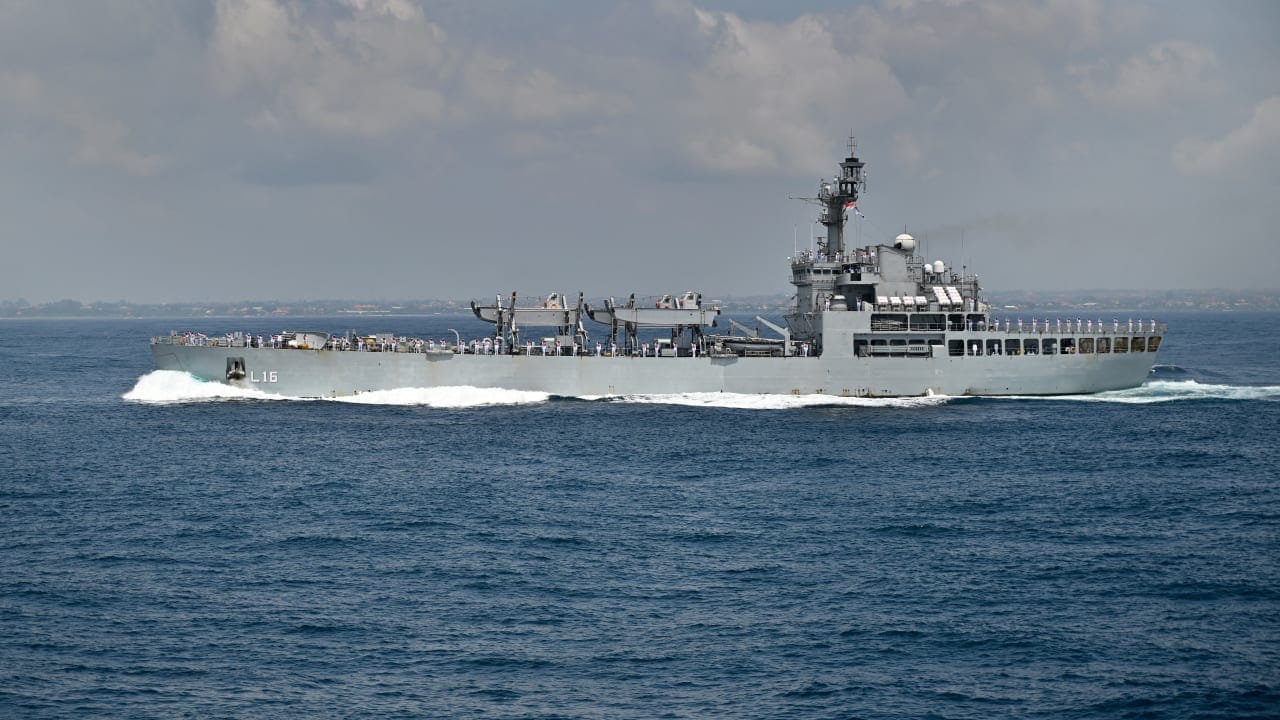
NEW DELHI, Feb 16 (Reuters) — This month, India has taken control of three tanker ships linked to Iran that are under U.S. sanctions and has increased its monitoring in waters to prevent illegal trade, according to a source familiar with the situation.
India's goal is to stop its waters from being used for ship-to-ship transfers that hide the origin of oil shipments, the source noted.
These actions, along with enhanced surveillance, come as U.S.-India relations improve. Earlier this month, the U.S. announced a reduction in import tariffs on Indian goods from 50% to 18%, while India has agreed to halt Russian oil imports.
The seized vessels — Stellar Ruby, Asphalt Star, and Al Jafzia — often changed their identities to avoid detection by coastal authorities, the source revealed, adding that the vessel owners are located outside India.
Indian authorities reported on February 6 that they intercepted three vessels about 100 nautical miles west of Mumbai after spotting suspicious activities involving a tanker in India's exclusive economic zone. Although this information was later removed from their social media, the source confirmed that the ships are now in Mumbai for further investigation.
Since then, the Indian Coast Guard has deployed around 55 ships and 10 to 12 aircraft for continuous monitoring in its maritime zones, according to the source.
Last year, the U.S. Office of Foreign Assets Control sanctioned the vessels Global Peace, Chil 1, and Glory Star 1, which share identical IMO numbers with those seized by India.
Two of the tanker ships are linked to Iran, with Al Jafzia reported to have transported fuel oil from Iran to Djibouti in 2025 and Stellar Ruby being registered in Iran, according to LSEG data.
Data indicates that the Asphalt Star primarily operated in waters around China.
Sanctioned oil and fuel are typically sold at significantly lower prices due to the associated risks, with middlemen navigating complex ownership structures, false documents, and transfers at sea that make enforcement difficult.