
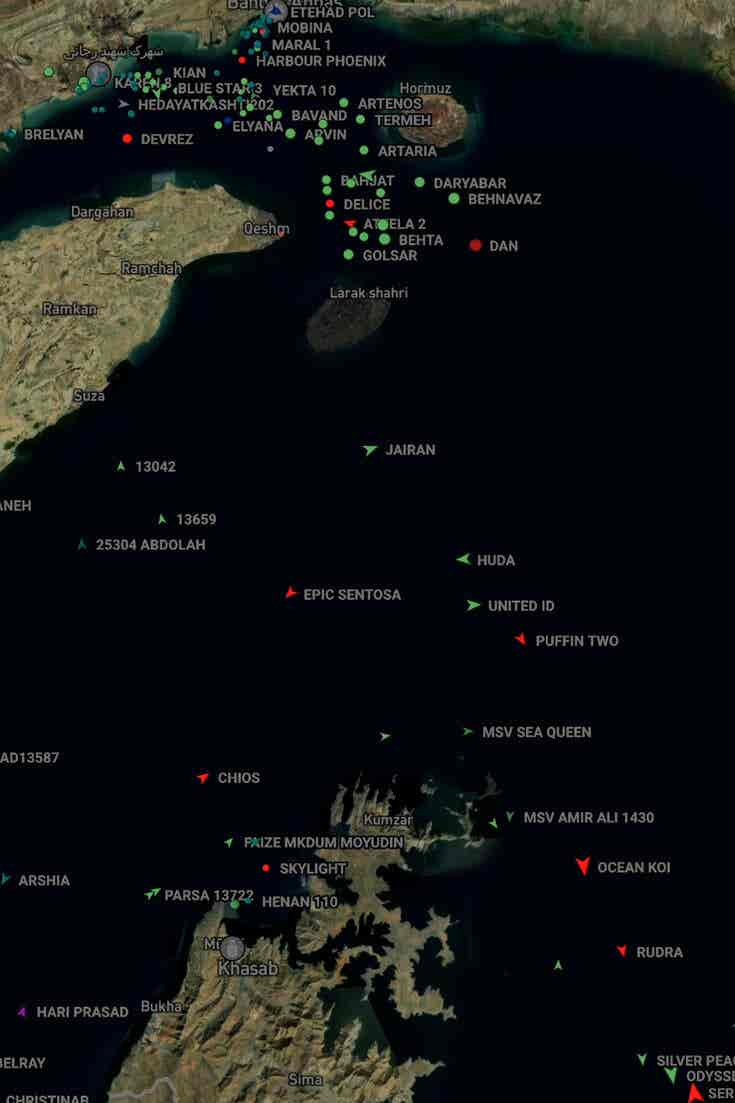
A number of oil tankers are now steering clear of the Strait of Hormuz, which connects the oil-rich Persian Gulf to the wider oceans. This shift follows recent airstrikes conducted by the US and Israel on Iran, prompting some shipowners to take extra precautions when navigating through this narrow waterway.
Although the strait is still open, and some vessels continue to transit, tracking data from Bloomberg indicates that tankers are accumulating both inside and outside the passage.
Japan's Nippon Yusen KK has instructed its fleet to avoid Hormuz, while Greece has advised its large merchant fleet to reassess their routes. Three other shipowners mentioned that they are currently reviewing their policies for transiting the strait, with one interpreting a US advisory as a signal to treat the waterway as effectively closed. One more company has advised its ships to proceed with caution.
The Strait of Hormuz is crucial during times of tension with Iran, as it is responsible for the transit of about one-fifth of the world's seaborne oil and liquefied natural gas each day. Maritime traffic has not completely stopped, according to two naval observers. Traders are also keeping an eye on wider disruptions, including potential Iranian retaliatory strikes and any port activities being affected.
Oil futures markets are closed on Saturdays and Sundays, which limits insight into how traders are really assessing risk following the airstrikes. However, a retail trading product from IG Group Ltd. has reported a price of West Texas Intermediate as high as $75.33, marking a potential increase of up to 12% from the previous Friday's closing price.
Additionally, at least three gas tankers traveling to or from Qatar have paused their journeys to avoid the Strait of Hormuz. Qatar is the world's second-largest LNG exporter, supplying 20% of the market last year, and its shipments need to pass through the strait to reach buyers in Asia and Europe.