
(Bloomberg) — The amount of crude oil passing through the Strait of Hormuz is gradually increasing as producers in the Middle East boost their exports despite Iran's ongoing threats to shipping. This rise is helping to stabilize global crude oil prices.
Currently, between 6 million to 8 million barrels of crude oil are being transported daily through this crucial oil route, according to estimates from oil traders tracking cargo movements. Flows had decreased in July due to a series of attacks on supertankers by Iran, which led to a collapse of a temporary ceasefire and increased navigation risks. These flows now remain at about half of what they were before the war.
Estimates of the oil flow can vary widely. Some trackers and U.S. officials have suggested there might be even higher volumes, but the security situation remains unstable. On Monday, according to the UK navy, two freighters were attacked, highlighting the ongoing dangers of transiting the area. However, one factor supporting the rise in shipments is the record earnings in the supertanker market, which incentivizes shipowners to continue their routes.
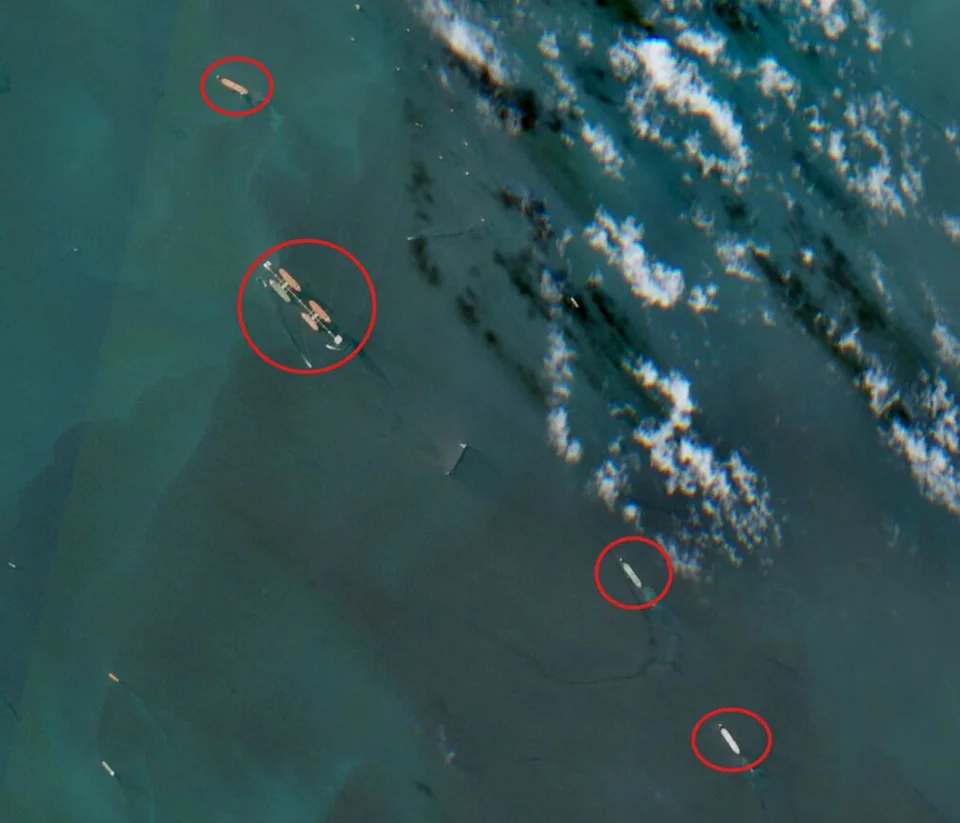
Regardless, there are indications that producers in the region have been exporting more oil recently. A number of tankers are running shuttle services, carrying oil to just outside the Persian Gulf. Once they arrive, their cargoes are transferred to larger tankers that prefer not to navigate the strait themselves. All major regional suppliers, except for Iran, are now selling their oil for collection outside Hormuz.
“Recently, it appears that more oil is flowing out of Hormuz,” said Georgios Sakellariou, a freight analyst at Signal, a shipping and analytics firm. “If this trend continues, crude oil prices will likely remain low, although they have still been hovering around $85 a barrel recently.”
Brent oil futures were priced at about $88 a barrel on Thursday, on track for their largest weekly drop since late June when the temporary ceasefire helped keep shipments steady. Additionally, ongoing negotiations between the U.S. and Iran regarding the war have also affected prices this week. The head of Europe's largest oil refining company expressed a bearish outlook for crude prices, partly due to barrels discreetly moving out of Hormuz.
A sudden increase in ships arriving late last week has allowed for higher oil loadings, but it remains unclear whether this rate of arrivals can be sustained in the coming weeks.
On Tuesday, Saudi Arabia experienced the highest number of tankers at its export terminals in several weeks, as shown by satellite images from Bloomberg. Loading activities at Iraq's ports in the region briefly exceeded prewar levels a day earlier. Smaller producers like Qatar and Kuwait are also increasing their exports, adding to the overall momentum.
However, it’s important to note that this does not necessarily mean Saudi Arabia's total exports have increased. The rise in shipments from the Persian Gulf coincided with a decrease from its Red Sea facilities. At the same time, the kingdom is loading more oil at Sidi Kerir, a port on Egypt's Mediterranean coast where it maintains storage, making it more complicated to track Saudi Arabia's overall oil shipments.
It is also uncertain whether all the oil exports from the Persian Gulf are already on their way to customers. These exports often need to be transferred to waiting vessels near the Omani port of Sohar or Fujairah in the United Arab Emirates, a process that can take several days.