
Don't celebrate just yet. It will take weeks for the oil situation to stabilize, and we're already seeing issues in the supply chain.
By Lori Ann LaRocco – Don’t be misled by the recent claim that the Strait of Hormuz is “open.” There are still many steps that need to be taken before this can be confirmed. There’s a lot of talk going on—don’t get caught up in it.
Now is the time to look closely at trade data to understand the current situation and establish a timeline for returning to “normal.”
The most crucial piece of data to consider is how long it takes for trade shipments to move. This is the only dependable way to predict when the ongoing supply chain disruptions will start to ease.
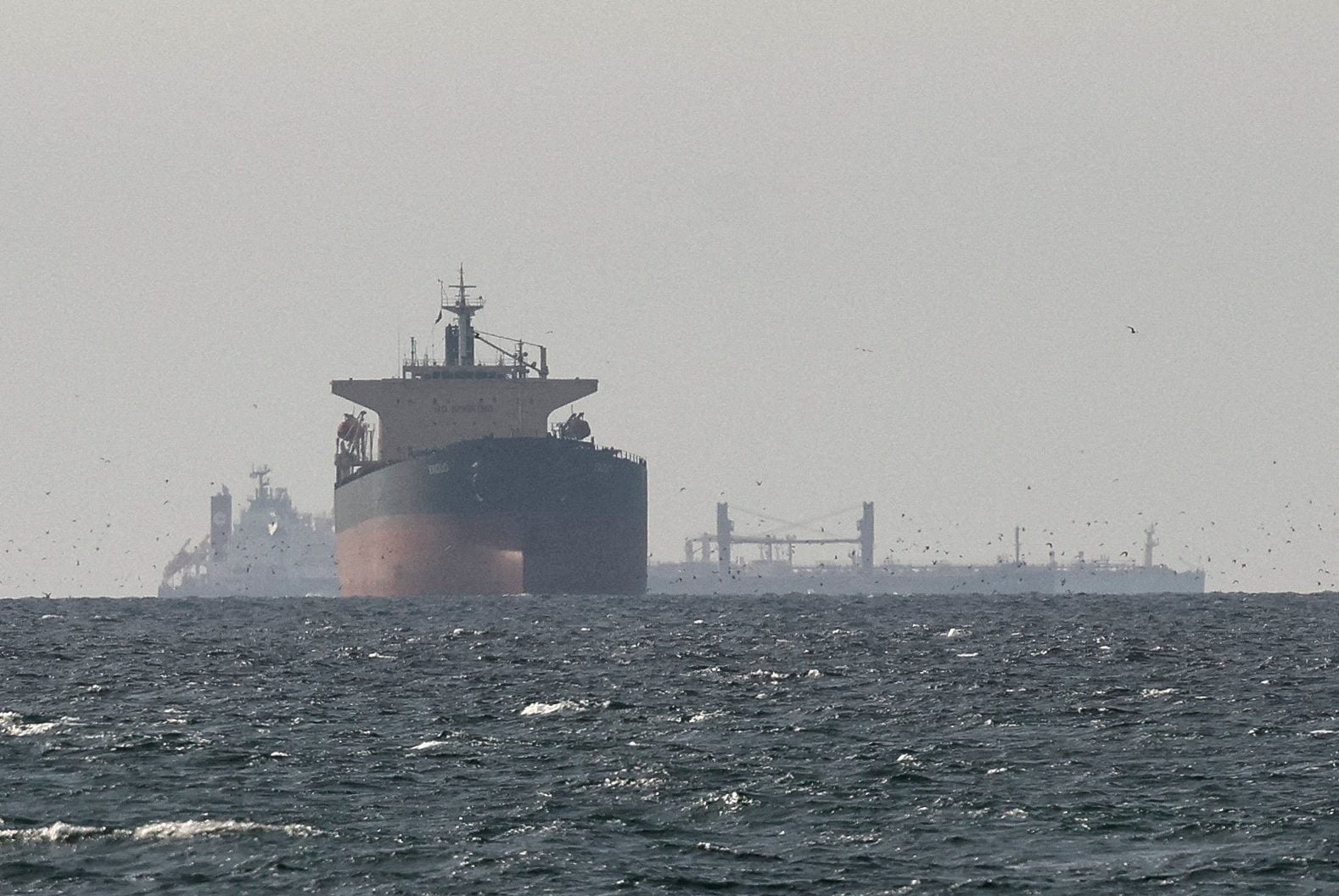
The supply chain depends on the steady movement of goods. The closure of the strait has forced vessels worldwide to find new routes to keep trade flowing—though at much lower volumes than usual.
This rerouted trade, combined with limited volumes, is causing the current supply chain issues.
The jet fuel situation—which I’ve been highlighting for weeks on gCaptain and my Substack—will take several months to fix. Why? It’s all about the compounding effects of time.
In Europe, jet fuel supplies are already at dangerous levels, and each day that trade is restricted, inventory issues get worse. Demand continues to exceed supply, with delivery times lagging behind.
As a result, there are no more buffers.
This trend has been easy to monitor. If you’ve been tracking trade movements and shipping times, the disruption was apparent well in advance. Warnings from airlines and airports should not have surprised anyone.
While inventory won’t hit zero, there are already signs of measures being taken: flight cancellations, increased fees, and surcharges. These strains will continue.
You can’t fill a bucket that has a hole in it. That hole needs to be fixed. The solution is resuming normal traffic through the Strait of Hormuz—typically handling between 135 and 150 vessels a day.
Currently, only seven empty vessels have passed through the Strait of Hormuz into Middle Eastern ports, according to Kpler. No fully loaded ships have left the strait to deliver goods to global markets.
The shortage is compounded by the additional time needed for rerouted vessels to find new cargoes. This has created further disruptions in energy and transport markets.
Trade timelines are now much longer. You have to consider the travel time to new loading sites, delays in securing cargo, and extra transit time to final destinations.
Kpler data indicates that 252 tankers are currently heading to the United States to load petroleum products.
Once the Strait of Hormuz is officially deemed safe, many of these vessels will have to reposition back to the Middle East. And again, that takes time.
The increased distances are adding to both the energy crunch and disruptions in vessel scheduling.
“It's going to impact the rotations for gas and oil,” said Tim Wilkens, managing director of INTERTANKO.
“Our reliance on fossil fuels has increased,” Wilkens added. “Today, we depend on fuel and supply more than we did in the 1990s or 1970s.”
According to INTERTANKO, there are 330 compliant tankers in the Gulf region currently waiting for the strait to reopen and be confirmed safe for transit.
Wilkens mentioned that 40 member companies have 102 tankers and about 2,400 seafarers stuck in the Gulf right now.
Even with these ships in waiting, there needs to be confidence that it’s safe to pass through the strait.
There’s a lot of talk, but the threat of mines remains a concern for operators. Iran is believed to have set up two main types: the Maham-3 (anchored, deep-water, 300 kg) and the Maham-7 (bottom-resting, shallow-water, 220 kg).
The United States is actively working to remove mines. France’s defense ministry has stated they have the capacity to assist. That’s encouraging—however, safe navigation depends on confirmed safe passage. Until that is guaranteed, there will be hesitation.
In the meantime, trade timelines will continue to grow longer, and recovery from these supply chain disruptions will be delayed for weeks—or even months.