
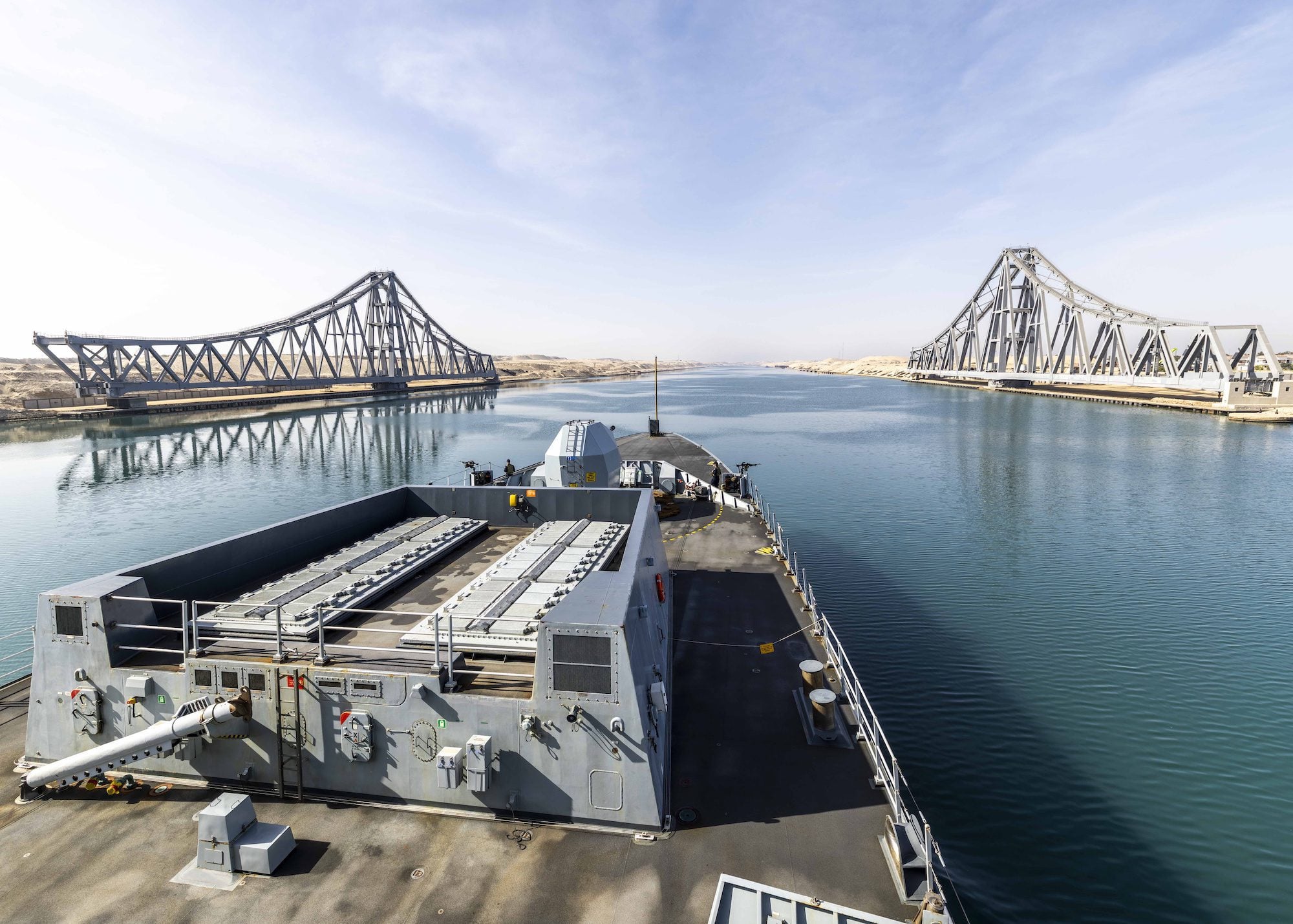
The HMS Dragon, a Royal Navy destroyer, has successfully passed through the Suez Canal and arrived in the Middle East. This comes as Western countries are ramping up military planning for a possible multinational mission to reopen and secure the Strait of Hormuz.
This British Type 45 destroyer is positioned to help with a future coalition operation that aims to protect commercial shipping and restore freedom of navigation when the situation allows. UK officials say this mission will be "strictly defensive" and will only proceed after a lasting ceasefire is achieved.
The HMS Dragon left the UK in March and had been operating in the Eastern Mediterranean before heading to the Gulf area.
The ship is equipped with the Royal Navy’s Sea Viper air-defense missile system, and it is supported by Wildcat helicopters from the 815 Naval Air Squadron, which are armed with Martlet missiles to counter potential drone threats.
Commander Iain Giffin, the commanding officer of HMS Dragon, expressed pride in the ship's role in the UK’s regional presence as part of a multinational task force dedicated to ensuring freedom of navigation and restoring crucial trade routes.
This deployment occurs as NATO and allied nations discuss the possibility of a larger multinational maritime security operation in the Strait of Hormuz, particularly if commercial traffic does not improve in the coming weeks and months.
Last week, the UK and France held the first meeting of the so-called Strait of Hormuz coalition, which involves over 40 nations. This meeting focused on plans for a joint military headquarters in the region to streamline future operations.
Officials from the UK stated that the presence of HMS Dragon can support efforts to clear mines, protect merchant ships, and restore confidence among commercial shipowners and insurers who are hesitant to resume normal transit through the Strait.
The deployment also follows recent weapons and sensor calibration exercises conducted off the coast of Crete at a NATO testing facility, where the ship engaged in live-fire drills and high-threat readiness training.
Nearly three months into the regional conflict, the Strait of Hormuz remains heavily disrupted. Shipping traffic through the waterway is significantly below normal levels, as shipowners are still considering risks from naval mines, drone attacks, missile strikes, and complex military controls in the Gulf.
Under normal conditions, about one-fifth of global oil supplies pass through the Strait of Hormuz, making it one of the most strategically significant maritime chokepoints in the world. British officials have warned that ongoing disruptions are putting additional pressure on global energy prices and supply chains.