
MIHAIL KOGALNICEANU, Romania, Nov 5 – A French maritime patrol aircraft stationed in Romania will remain for several more weeks to enhance surveillance in the Black Sea. This comes after a series of deadly attacks on merchant ships in the region, according to the aircraft's commander.
These attacks highlight the increasing maritime conflict between Russia and Ukraine, which is becoming a significant concern for NATO in the Black Sea area. Countries like Romania and Bulgaria are particularly vulnerable.
The Black Sea is vital for transporting grain, oil, and petroleum products. It borders several countries, including Bulgaria, Romania, Georgia, Turkey, Ukraine, and Russia. Russia has refuted claims of targeting neighboring states.
France sent the Atlantique 2 aircraft, designed to spot submarines, warships, and potential threats like sea drones and mines, to the Romanian Mihail Kogalniceanu air base on October 18. This move was made after Romania and Bulgaria requested additional support from NATO.
“The Atlantique 2 will remain here for a few weeks. Our role is to ensure the safety of commercial navigation in the Black Sea,” the aircraft's commander stated, although their name was not disclosed for security reasons.
Initially, the aircraft was scheduled to be in Romania until November 6.
In October, at least nine cargo ships were attacked near the coasts of Romania and Bulgaria, leading to about 34 sailors being reported dead or missing.
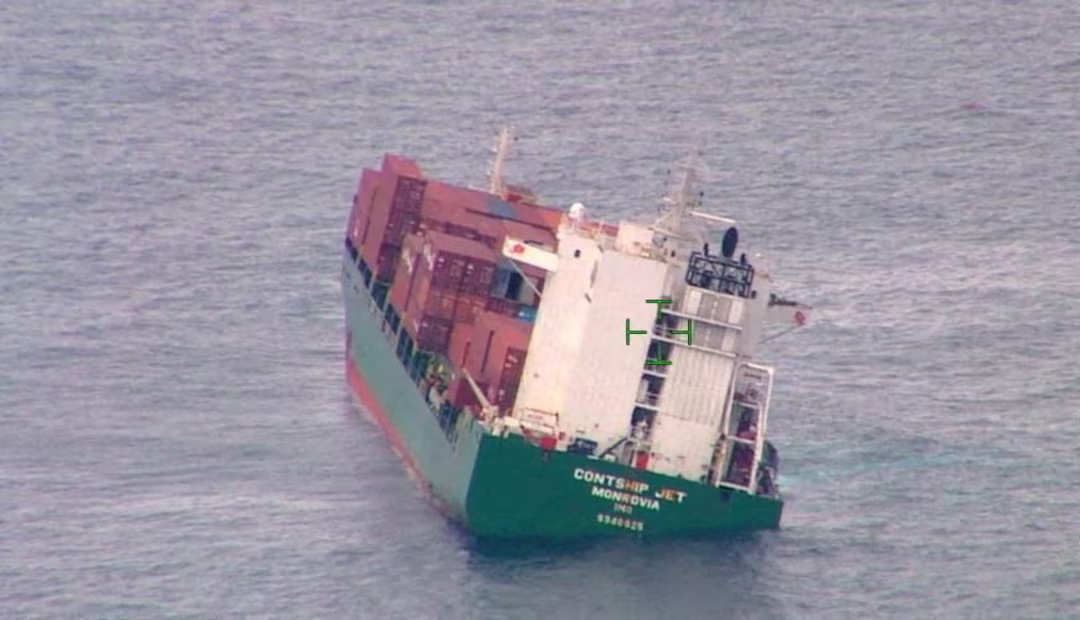
The aircraft successfully detected three sea drones before they struck and sank the Greek-owned container ship Contship Jet in Bulgaria’s exclusive economic zone on October 28.
The commander said they informed Bulgarian authorities and the ship's crew one hour before the drones attacked, allowing the crew to escape unharmed.
“We are a surveillance aircraft,” the commander mentioned. “We can detect threats, but we cannot neutralize or intercept these types of drones.”
NATO recently announced plans to invest over $40 billion in counter-drone technology in the next five years. They also reaffirmed their commitment to protect all member countries, including those along the Black Sea, stating it is “ironclad.”