
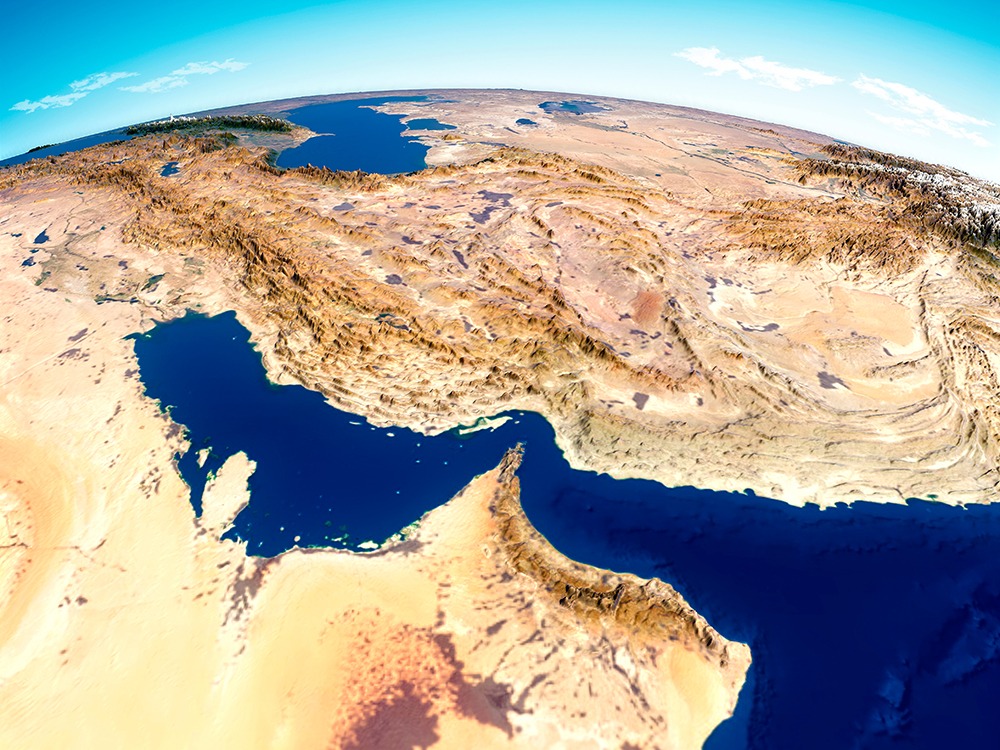
BRUSSELS, June 3 (Reuters) – The European Union has suggested that its Aspides naval mission take a "primary role" in clearing mines in the Strait of Hormuz when the situation allows. This initiative is part of a project led by France and Britain, as stated in a document obtained by Reuters.
The European External Action Service mentioned in a note dated May 26, sent to EU member states, that "the situation requires the Union to make a significant contribution" to a coalition led by France and the UK. This contribution is aimed to take place when conditions are favorable and distinct from the ongoing conflicts.
To change the mandate of the Aspides mission, all 27 EU member countries must agree unanimously, and it is currently uncertain whether such a change would receive their support. The mission was created in 2024 to protect ships from attacks by Yemen's Houthi rebels in the Red Sea.
SEVERE IMPACT OF THE STRAIT'S CLOSURE
About one-fifth of the world’s oil and liquefied natural gas passes through the Strait of Hormuz, an important route that has effectively been closed after strikes by the U.S. and Israel on Iran.
On Wednesday, tensions escalated again, with Iranian attacks on Kuwait damaging its airport and injuring several people, while U.S. military forces conducted strikes near the Strait of Hormuz. Efforts to negotiate peace seem to be making little headway.
The unofficial closure of the Strait of Hormuz has "serious consequences for both the region and Europe, with Iran selectively permitting passage," the EU's diplomatic branch noted in its document.
France and Britain are leading efforts to create a coalition of nations that can help ensure safe passage through the Strait once the situation stabilizes or the conflict resolves.
It remains uncertain whether Iran has placed mines in the waterway.
STRENGTHENING CAPABILITIES
The EU's diplomatic service expressed that a European contribution would demonstrate "EU-wide ownership and responsibility in addressing an issue that impacts all Member States" and "in relation to NATO Allies."
An Aspides mission role would also "enable all Member States to provide financial support, through the operation's common costs, to those willing and able to contribute," the note stated.