
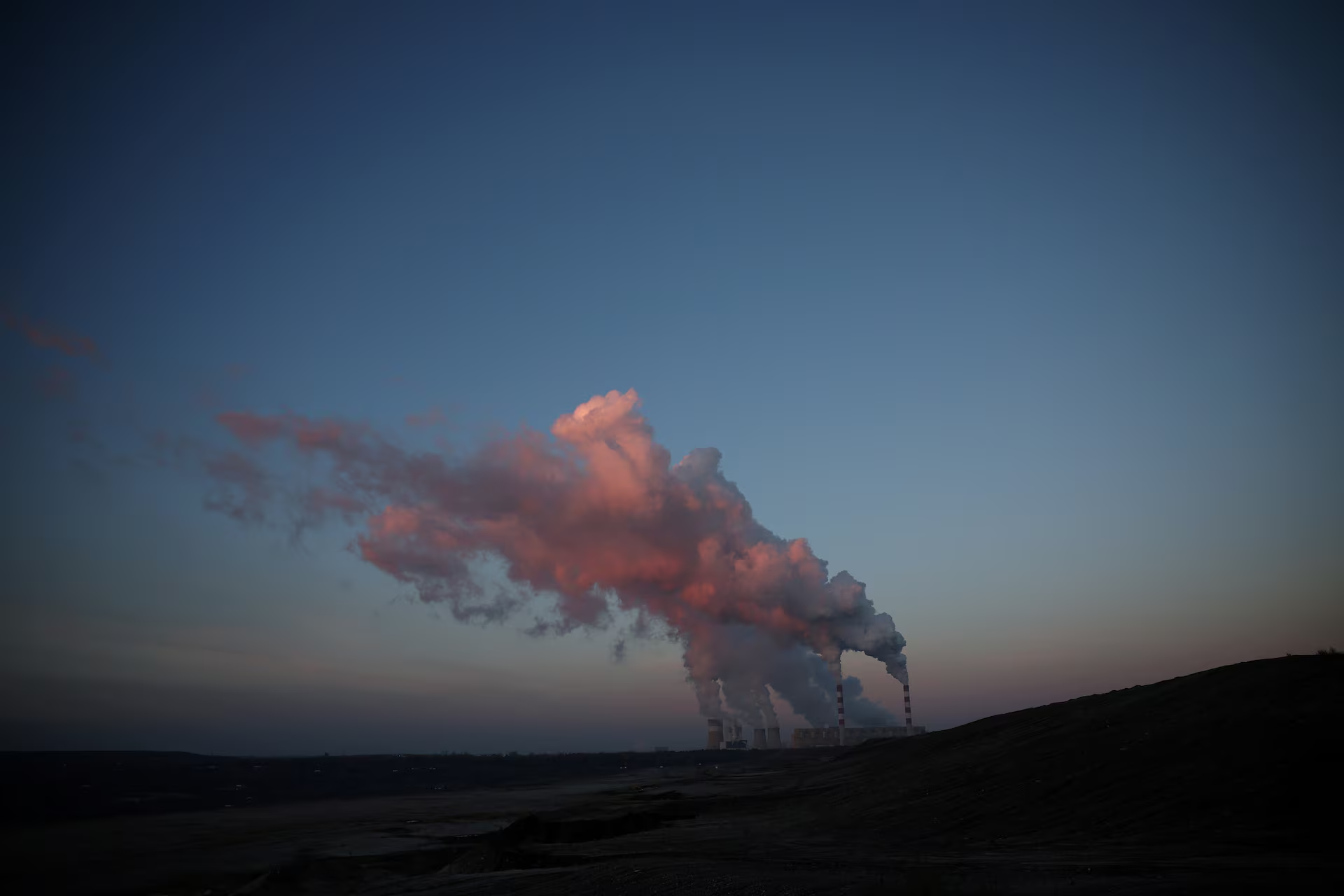
BRUSSELS, July 8 (Reuters) - The European Union is considering allowing industries to emit CO2 for a longer period and may increase the number of free carbon permits for companies. This is part of a plan to make the EU's emissions trading system more flexible, according to a European Commission official.
- The EU Emissions Trading System (ETS) is the main policy the bloc uses to combat climate change. It requires power plants, industries, shipping companies, and airlines to purchase permits for their CO2 emissions, which encourages them to reduce pollution.
- A major overhaul of the ETS is set to be proposed on July 17.
- This revision aims to align the ETS with an EU target of reducing overall emissions by 90% by 2040 and to address concerns from some governments that the current system undermines the competitiveness of European industries.
- The Commission is considering allowing companies to continue emitting CO2 into the 2040s, according to the official, who requested to remain unnamed as the plans are still tentative. In its current form, the ETS is scheduled to limit emissions by 2039.
- Additionally, there could be an increase in free CO2 permits for industries, which would lower their costs under the ETS. This would require these industries to invest in decarbonization efforts in Europe.
- This might involve extending the period for free CO2 permits for industries impacted by the EU's carbon border tax, which is expected to fully come into effect in 2034.
- The Commission also plans to expedite changes to the rules that determine how many free emissions permits industries receive based on their heat production and fuel usage.
- This proposal could allow companies to receive an additional €6 billion ($6.85 billion) in free permits, according to the official.
- Other changes being considered include reducing the "linear reduction factor," which specifies the annual emissions reduction companies in the ETS must achieve. Currently, this is set at a 4.3% reduction each year.
- Moreover, the proposal will urge national governments to invest a larger portion of the revenue collected from the ETS back into industries that are responsible for CO2 emissions, the official stated.
- The proposals are still being developed within the European Commission and may be subject to change. Once published, they will need to be negotiated and approved by the European Parliament and EU member states, a process that can take several months.
- One contentious issue still under discussion is how and when to incorporate international carbon offset credits into the ETS, the official noted.
- Brussels also intends to extend a fund that utilizes revenue from CO2 permit sales to assist poorer EU countries in transitioning to clean energy, which is a significant requirement from nations like Poland. ($1 = 0.8763 euros)
Back to newsroom
Published 09.07.2026