
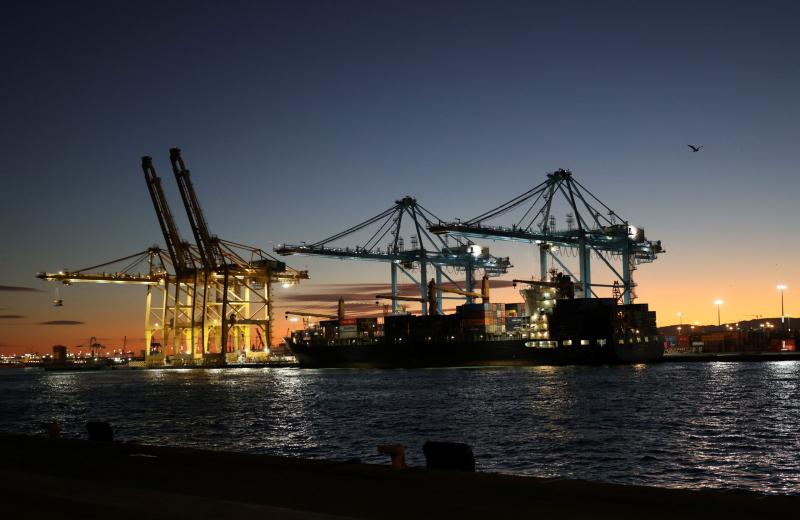
The European Commission is looking closely at the proposed acquisition of Terminal Catalunya (TERCAT) by Terminal Investment Limited Holding (TIL) and Hutchison Ports. They have some early concerns that this deal might lead to higher prices and poorer service quality at Barcelona’s key container terminal.
TERCAT runs the Barcelona Europe South Terminal (BEST), which is the main deep-sea access point for cargo coming in and out of Barcelona and its surrounding areas. TIL is a major port operator, partly owned by the Mediterranean Shipping Company (MSC) and investment firm BlackRock. They want to gain joint control of TERCAT, along with Hutchison Ports, which is part of the CK Hutchison Holdings group based in Hong Kong. This deal has raised alarms with EU competition officials.
Initial investigations by the Commission suggest this acquisition could greatly reduce competition in container terminal services in Barcelona. The new combined entity might favor MSC over its competitors, which could lead to higher costs, longer wait times for dock access, and fewer cranes and storage space available for other shipping companies.
The Commission noted, “Container terminal services at the port of Barcelona are crucial for container shipping services for cargo arriving and departing from the city and its surrounding areas.” They also pointed out that shipping companies that might be affected would have few alternatives to switching to another terminal, such as the Terminal de Contenedores de Barcelona, which is managed by Maersk.
On November 5, 2025, the deal was officially reported to the Commission, kicking off a standard initial review phase. Following today’s announcement to proceed with an in-depth Phase II review, the Commission now has 90 working days, until April 30, 2026, to make a final decision on the transaction.
This Barcelona terminal acquisition is part of a larger $22.8 billion agreement made in March 2025, where CK Hutchison decided to sell its 80% stake in Hutchison Ports Holding to TIL and BlackRock. This larger transaction, which involves 43 ports across 23 countries, is particularly significant given its relevance amid the tensions between the U.S. and China.
According to Eleanor Hadland, a lead analyst at Drewry, “This [larger] deal looks like a big win for MSC, as it gains more capacity in several important markets.” However, she also noted that the regulatory processes could take at least a year, and that competition authorities are likely to focus on the Northwest Europe, Spain, and Panama markets.
The investigation into the Barcelona terminal is one of three current Phase II merger reviews by the Commission, which also includes proposals in the nickel and music industries. Generally, full EU investigations last around four months or even longer, and companies might have to make concessions, including selling parts of their operations, to address any competition issues and get approval.
MSC’s current terminal operations, which include a 70% stake in TIL along with other holdings, handled over 70 million TEUs in 2023. If this acquisition goes through, MSC would become the world’s largest container terminal operator, surpassing current leaders with a truly global network across multiple continents.