
By Prejula Prem and Julian Lee (Bloomberg) — The Strait of Hormuz is effectively closed to international shipping due to the combined effects of blockades from both Iran and the US, leaving this crucial energy route largely inactive.
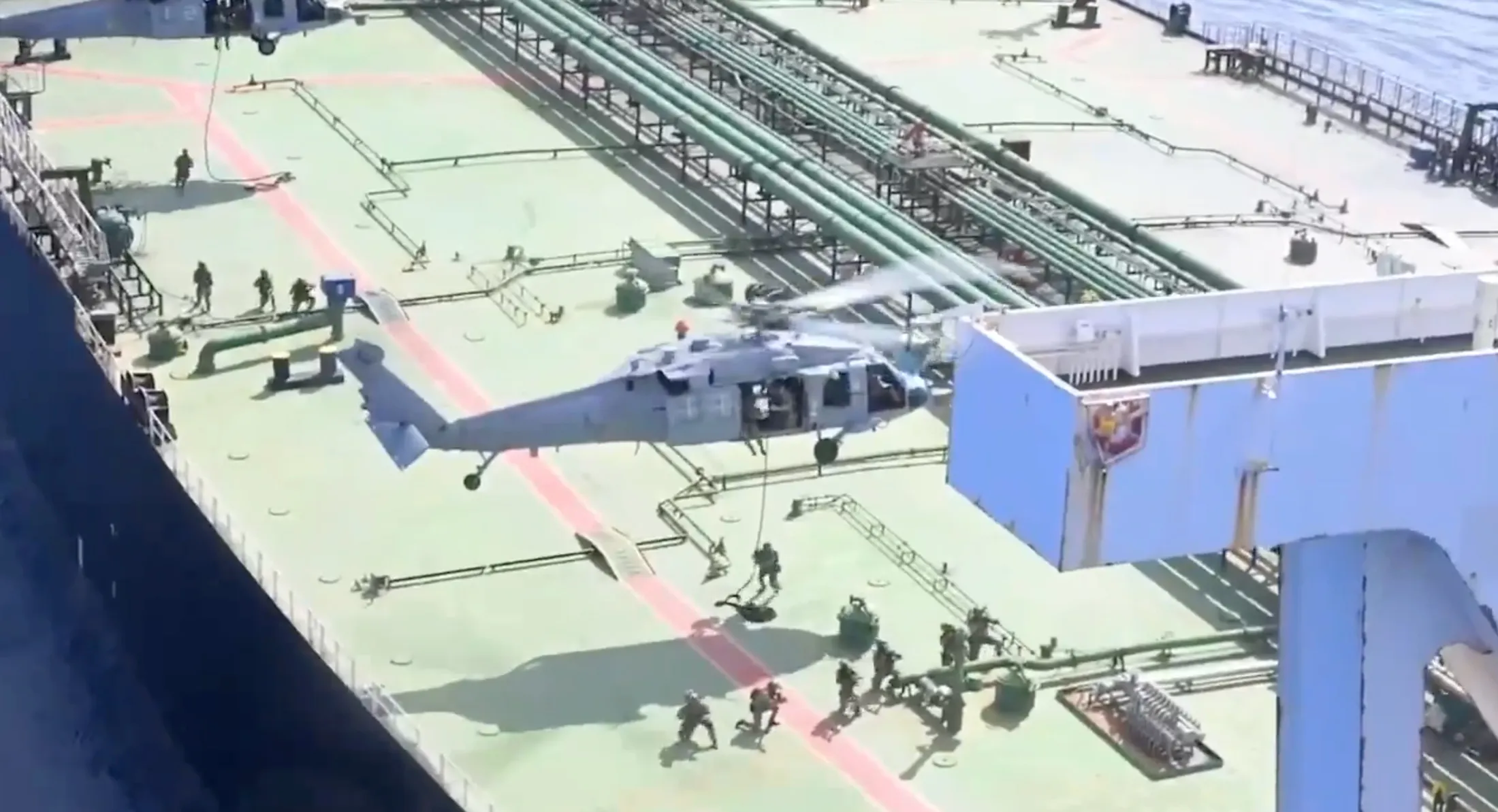
Recently, only a few ships, mainly associated with Iran, have been spotted. Most vessels are avoiding the area after increased tensions arose last week, when Iranian gunboats fired on ships and US forces seized two oil tankers.
On Monday morning, three ships connected to Iran left the Persian Gulf via the strait, according to vessel-tracking data. However, no ships were observed entering the strait.
The ongoing war in the Middle East, now in its ninth week, has significantly disrupted the supply of crude oil and fuels to global markets. Currently, oil prices have risen above $100 a barrel, as efforts to restart peace talks have stalled, rendering the Strait of Hormuz nearly impassable.
Ship Movements
On Monday, two bulk carriers and a liquefied petroleum gas tanker, all linked to Tehran, left the Gulf. This followed a quiet Sunday, where commercial departures included one Iran-linked fuel tanker and a bulk carrier, as well as two regional cargo ships. A fuel tanker connected to China also entered the Gulf on Sunday.
Most of the Iran-linked ships that recently left did not navigate past the Gulf of Oman. It remains unclear if these vessels were intended for regional stops or if they are waiting to bypass the US navy blockade.
In the past day, ships passing through Hormuz that had active Automatic Identification System (AIS) signals were limited to a narrow northern lane near the Iranian islands of Larak and Qeshm, a route permitted by Tehran.
The US blockade may prompt Iran-linked ships entering or leaving the Persian Gulf to turn off their signals to avoid detection, complicating the accurate assessment of ship traffic. This means transit numbers might be updated later when these vessels reappear far from high-risk areas.
Even before the latest US restrictions, it was common for Iran-linked ships to disable their signals when approaching Hormuz as they exited the Persian Gulf. They typically didn’t reactivate them until they were well into the Strait of Malacca in Southeast Asia, roughly a 13-day journey from Iran’s Kharg Island.