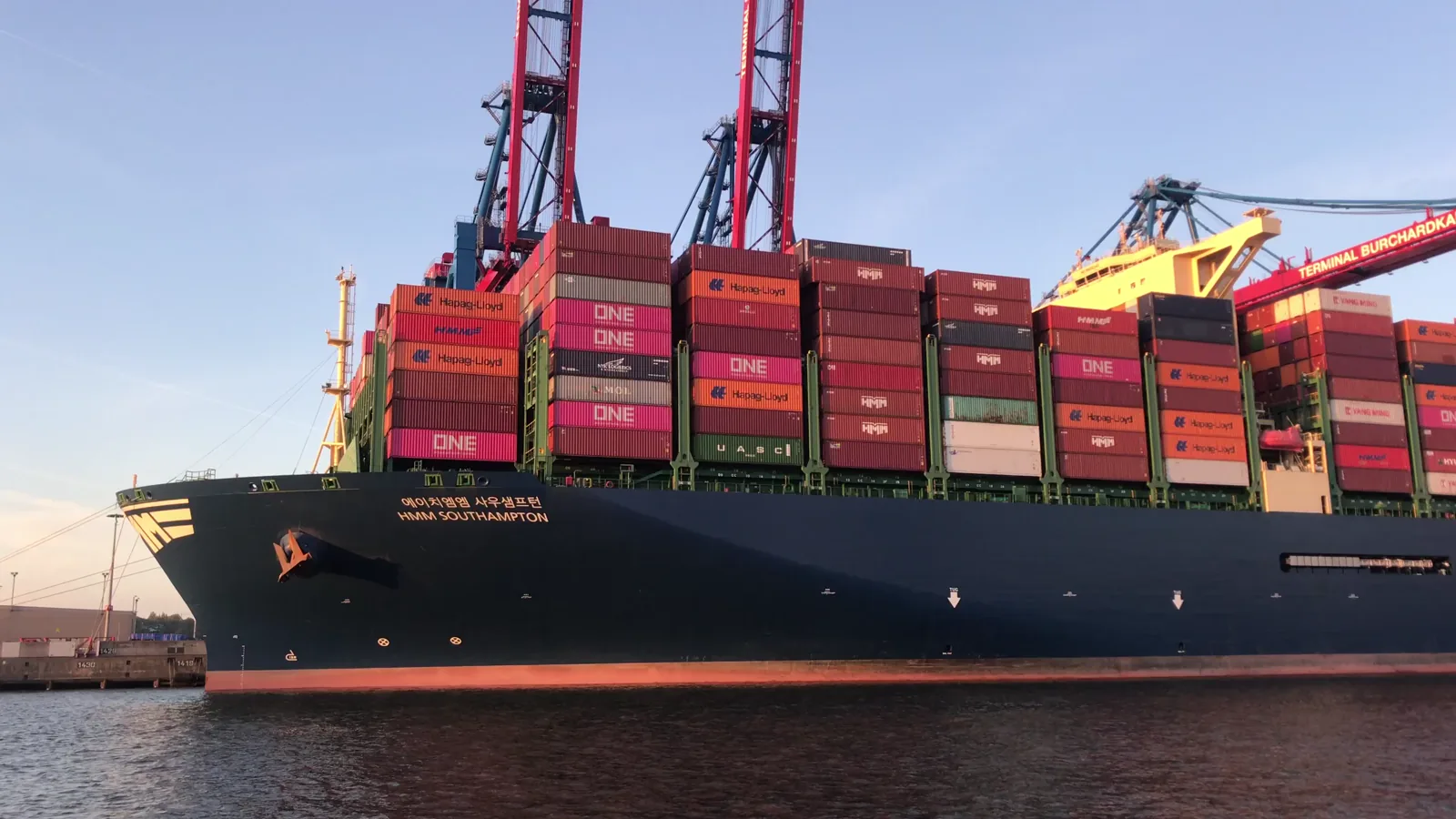
The global fleet of dual-fuel containerships and vehicle carriers has now surpassed 500 vessels. Shipowners have invested over $200 billion in ships that can use alternative fuels, according to new data from the World Shipping Council (WSC).
The most recent WSC Dual-Fuel Fleet Dashboard reports that there are 503 dual-fuel vessels in service as of September 2026, representing a 41% increase from 358 just a year ago. Additionally, there are 849 more ships on order, bringing the total to 1,352 vessels.
These figures illustrate the significant investment taking place as container and vehicle carriers prepare to transition to lower-emission fuels, despite ongoing uncertainty about future environmental regulations affecting the industry.
“The container ship and vehicle carrier industry has committed over $200 billion to clean fuel-capable ships, with more than 500 already in operation and hundreds more on the way,” stated WSC President and CEO Joe Kramek. “While investment is strong, these ships need commercially viable alternative fuels to fully realize their potential for reducing emissions.”
Dual-fuel vessels can use both traditional marine fuels and alternative fuels, giving operators flexibility as new fuel sources and infrastructure are developed. However, their effectiveness in cutting emissions depends on the availability and affordability of cleaner fuels.
WSC reports that vessels capable of using alternative fuels now make up 65% of containerships and 97% of vehicle carriers on order, based on deadweight tonnage. This contrasts with only 23% across the entire global shipping fleet.
Despite this trend, orders for conventionally fueled ships have also risen over the past year as the overall order backlog continues to grow.
This mixed scenario arises amid ongoing uncertainty regarding the International Maritime Organization’s proposed Net-Zero Framework, which aims to set a global marine fuel standard and a greenhouse gas pricing system. The adoption of this framework was postponed in October 2025, and negotiations are expected to pick up later this year.
WSC emphasizes the need for a global regulatory framework to bridge the cost gap between traditional fuels and renewable or near-zero-emission alternatives, providing shipowners and fuel suppliers with the stability required to invest.
In the absence of an international consensus, the industry risks facing a fragmented set of regional emissions regulations, resulting in higher costs and complications for global shipping.
“Ships ordered today will be in service for decades. Shipping companies and fuel providers need certainty to make investments that will influence the future fleet and fuel supply,” Kramek added.
The IMO is set to hold its next Marine Environment Protection Committee meeting from November 30 to December 3, with a potential follow-up session on the Net-Zero Framework on December 4.
“We believe that IMO member states can come together to establish that framework,” Kramek said. “Every delay increases uncertainty, making the transition more challenging and expensive for the global economy.”