
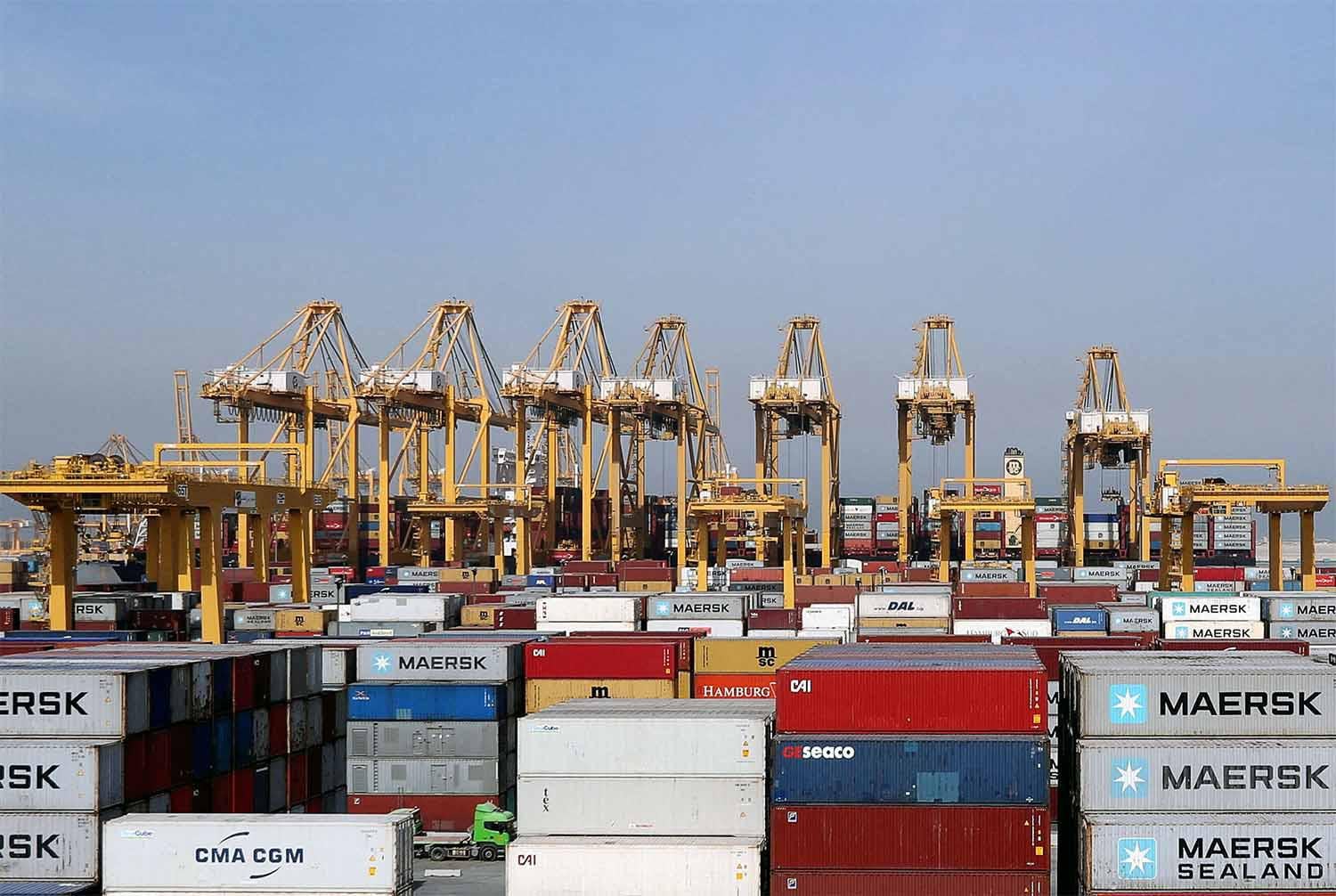
DP World and APM Terminals are partnering at Jeddah Islamic Port in Saudi Arabia, strengthening their positions at one of the key container ports in the Red Sea.
As part of this agreement, APM Terminals, the port operations division of A.P. Moller–Maersk, will buy a 37.5% minority share in the Southern Container Terminal. Meanwhile, DP World will hold a 62.5% majority stake and will keep managing the terminal.
This collaboration between two of the largest terminal operators in the world highlights Jeddah's importance as a major hub that connects Asia, Europe, and Africa through the Red Sea.
Since securing a 30-year Build-Operate-Transfer concession in 2019, DP World has made significant improvements to the terminal, increasing its capacity, boosting operational efficiency, and aligning its goals with Saudi Arabia’s Vision 2030.
“Saudi Arabia is a key market for DP World, and Jeddah Islamic Port has played a vital role in our growth in the Kingdom for over 20 years,” said Yuvraj Narayan, CEO of DP World. He noted that this partnership shows confidence in the terminal's modernization and future growth potential.
Keith Svendsen, CEO of APM Terminals, emphasized that this move is part of a long-term infrastructure strategy.
“Jeddah Islamic Port is crucial for access to Saudi Arabia and is a major hub for our customers’ supply chains,” Svendsen said. “This investment ensures long-term access to quality infrastructure and enhances our ability to provide reliable and scalable capacity in the Kingdom.”
Both DP World and Maersk have also expanded their logistics operations in Jeddah, linking quayside services with warehousing, distribution, and inland transport networks. This approach is increasingly important for major shipping companies looking to control every part of the supply chain.
Further Developments in Northern Europe
The investment in Jeddah fits with APM Terminals’ broader goal of securing long-term interests in key global gateways.
In Germany, APM Terminals and Eurogate are in advanced talks about a proposed €1 billion upgrade for Bremerhaven’s North Sea Terminal. This project aims to boost annual capacity from 3 million to 4 million TEU and seeks to establish Europe’s first zero-emission container hub.
Vincent Clerc, CEO of A.P. Moller–Maersk, mentioned that this investment would enhance Bremerhaven’s competitiveness in Europe’s North Range and improve supply chain resilience in Germany.
If both the Jeddah and Bremerhaven plans go ahead, they would highlight APM Terminals’ strategy of securing crucial equity positions in important trade routes while leading the industry's efforts towards decarbonization.