
Date: August 5, 2026
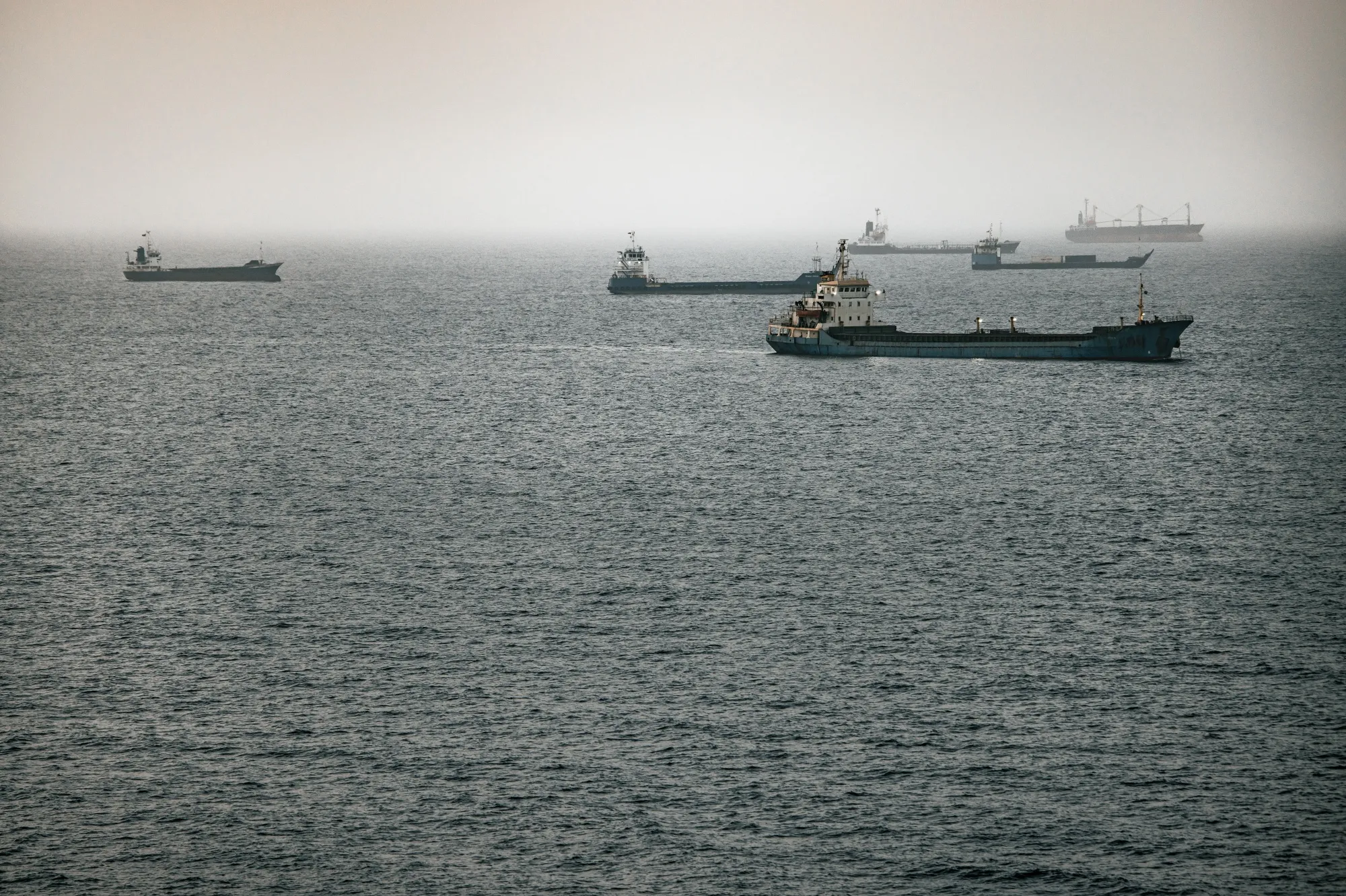
A large number of Iranian oil tankers are currently anchored off the coast of Iran, indicating that the renewed US naval blockade is affecting Tehran's ability to export oil and is cutting off vital revenue for the country.
According to the nonprofit group United Against Nuclear Iran, about 50 tankers—mostly loaded with crude oil, but also carrying fuels and liquefied petroleum gas—were waiting near Iran’s coastline in the Persian Gulf and Gulf of Oman as of Tuesday. This number has risen from 45 a week earlier and 36 when the blockade was reinstated on July 14.
The US blockade aims to halt operations at Iranian ports, which not only limits oil exports but also prevents empty tankers from returning for new loads.
Charlie Brown, an advisor to UANI, mentioned, “The blockade seems effective,” as evidenced by the increase in the number of ships along the coast. Although tankers are still loading LPG and other petroleum products at Iranian ports, smaller vessels might still be attempting to navigate around the blockade.
This situation comes amid rising hopes for a potential temporary agreement between Washington and Tehran that could ease shipping in the Strait of Hormuz. Qatar has said a proposal has been developed, and both US and Iranian officials have shown optimism about reopening this vital waterway.
UANI reported that they have not identified any Iranian crude tankers successfully leaving the Gulf of Oman while avoiding US enforcement since the blockade was reinstated. However, some ships may have managed to leave undetected by turning off their transponders.
Since the US threatened actions against Iran last week, there have been fewer offers for Iranian crude, as traders have reported. Sellers are hesitant to offer cargoes and are aiming for higher prices due to the blockade. For example, Iranian Light crude set for delivery next month was offered at a discount of about $4 per barrel to ICE Brent this week, slightly narrowing from around $5 a week prior.
Weak Demand
Demand for Iranian oil that is already en route to Asia remains low, particularly in China, which receives most of Iran’s shipments. Independent refiners in China, historically the biggest buyers of Iranian oil, are operating at reduced levels due to negative margins. As of July 31, plants in Shandong province, where most independent refineries are located, were running at just over 48% of capacity, compared to a five-year seasonal average of nearly 60%, according to Mysteel OilChem.
This low demand combined with the ongoing blockade has resulted in an increase in the amount of Iranian oil on the water worldwide. The volume of Iranian crude in floating storage—meaning ships that have been idle for at least seven days—rose 14% to 135 million barrels in the month leading up to Tuesday, according to Vortexa Ltd. Most of this increase was seen in the Yellow Sea, situated between China and the Korean peninsula, and near the Shandong hub.
Additionally, Bloomberg has noted a growing group of Iranian crude tankers off the southeastern coast of Malaysia, while UANI reported at least seven loaded vessels from Iran sitting idle near Sri Lanka.
The limited supply of Iranian crude already outside the Persian Gulf and Gulf of Oman becomes increasingly crucial if the US blockade continues.
According to Emma Li, who is the lead market analyst for China at Vortexa, “This US blockade could severely impact Iranian oil shipments in the coming months.”