
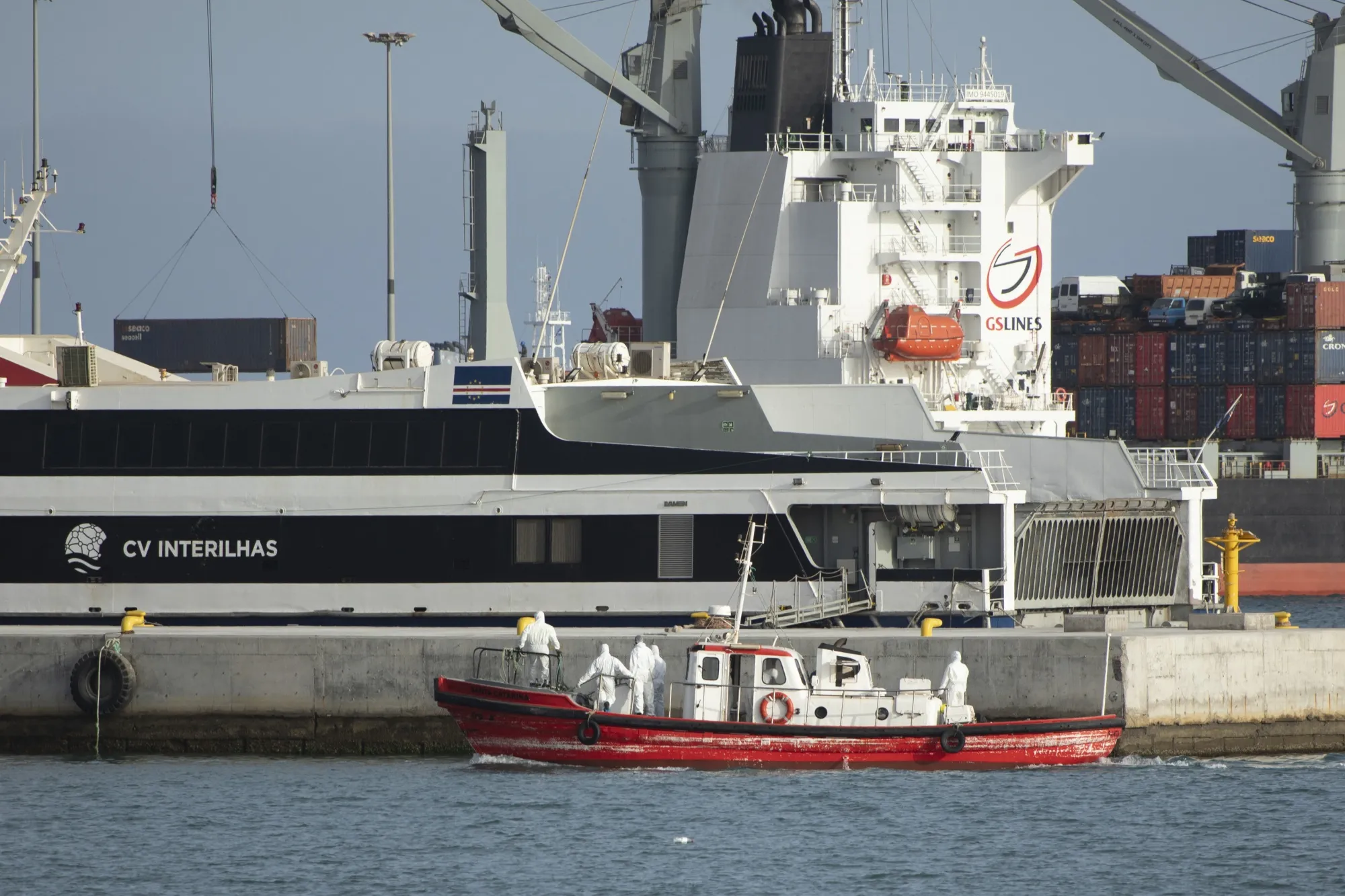
The cruise ship where some passengers have contracted a rare respiratory virus, leaving hundreds on board, is set to travel to the Canary Islands after two ill crew members are medically evacuated, according to the World Health Organization (WHO). The organization suspects limited transmission among passengers.
So far, two passengers have tested positive for a variant of hantavirus, a rare infection typically spread to humans via contact with infected rodents and their droppings. One of the affected individuals was among three who died during the outbreak, while the other is currently in intensive care in South Africa, said the WHO.
Health officials are tracing and testing others who are sick and their contacts to determine the origin and spread of the virus.
“We don’t have a complete understanding yet, but we have some working theories,” said Maria Van Kerkhove, WHO’s director for epidemic and pandemic preparedness and prevention. The first reported case involved a Dutch man who likely got infected outside the ship and then transmitted the virus to close contacts, including his wife, who also passed away. “We believe there might be some human-to-human transmission among very close contacts,” she added.
In this developing situation, Spain is hesitant to allow the ship to proceed to the Canary Islands. The country’s health ministry stated that a team of WHO epidemiologists will assess the situation on Tuesday, aiming to evacuate symptomatic individuals in Cape Verde. The ship’s final destination, where passengers will disembark, remains undecided, according to the ministry.
Passengers and staff from 23 different countries are currently isolating on the MV Hondius, operated by Oceanwide Expeditions BV. Out of nearly 150 people on board, a total of seven have reported illness. The WHO noted that severe cases can lead to hantavirus pulmonary syndrome, which causes fluid buildup in the lungs. Early symptoms resemble the flu but can worsen swiftly. The public risk is considered low, as human-to-human transmission is rare.
“There’s no evidence of spread beyond the ship,” remarked Benjamin Brennan from the University of Glasgow. “The main concern is whether additional cases will appear among passengers and crew during this critical period.”
People can get infected with hantavirus by inhaling contaminated particles, especially in closed spaces with rodent droppings. The ship set sail from southern Argentina around three weeks ago en route to the Canary Islands via Cape Verde, passing several islands along the way. The Andes variant, which is capable of spreading between humans, is suspected pending test results.
Local health officials have boarded the vessel but have not permitted sick passengers to leave, according to Oceanwide. The Netherlands is coordinating the response since the ship is registered under the Dutch flag.