
By Alex Longley, Anthony Di Paola, Grant Smith, and Weilun Soon
August 16, 2026 – Oil producers in the Middle East are continuing to transport large quantities of crude oil out of the Persian Gulf. This effort is helping to stabilize prices and ease concerns about inflation caused by rising energy costs, even as the conflict in Iran persists.
According to individuals familiar with the situation, oil is being discreetly ferried through the Strait of Hormuz to transfer it onto tankers in the Gulf of Oman. This operation continues at a rapid pace, despite recent attacks on vessels.
The covert crossings through this crucial energy route have become essential for global markets that were prepared for a more severe supply disruption when the Iran war began. However, conditions remain tense, with ships facing ongoing threats despite some military protection.
Although this shuttle trade has been happening for months, tracking the actual amounts of oil moving on these "dark" ships is difficult, as vessels are limiting their location information for safety. Estimates indicate that the amount being transported is higher than 4 million barrels per day, though exact figures remain unclear due to the sensitivity of the issue.
Before the conflict, approximately 20 million barrels a day passed through Hormuz, representing about one-fifth of the world’s oil supply. Recently, U.S. Energy Secretary Chris Wright mentioned that about 9 million barrels a day had crossed Hormuz in the previous week, a figure that surprised traders as it approaches nearly half of pre-war levels.
The ongoing shipments have contributed to the stability of Brent oil futures, which have mostly been trading between $80 and $90 a barrel in August. This is notably different from the higher prices many anticipated at the start of the conflict, with some fearing oil could hit $150.
The dark shuttle traffic, along with pipeline alternatives, stock releases, and reduced global demand, has helped limit the economic impact of the war.
In a statement, the Abu Dhabi National Oil Company, the UAE’s state oil entity, emphasized its commitment to delivering energy safely to global markets, despite facing repeated attacks on its vessels. The company noted that such attacks not only threaten their operations but also endanger lives and disrupt vital energy flows.
In addition to the UAE, oils from Iraq, Qatar, and Kuwait have also been transported through Hormuz, according to vessel tracking data from Bloomberg, Kpler, and Vortexa.
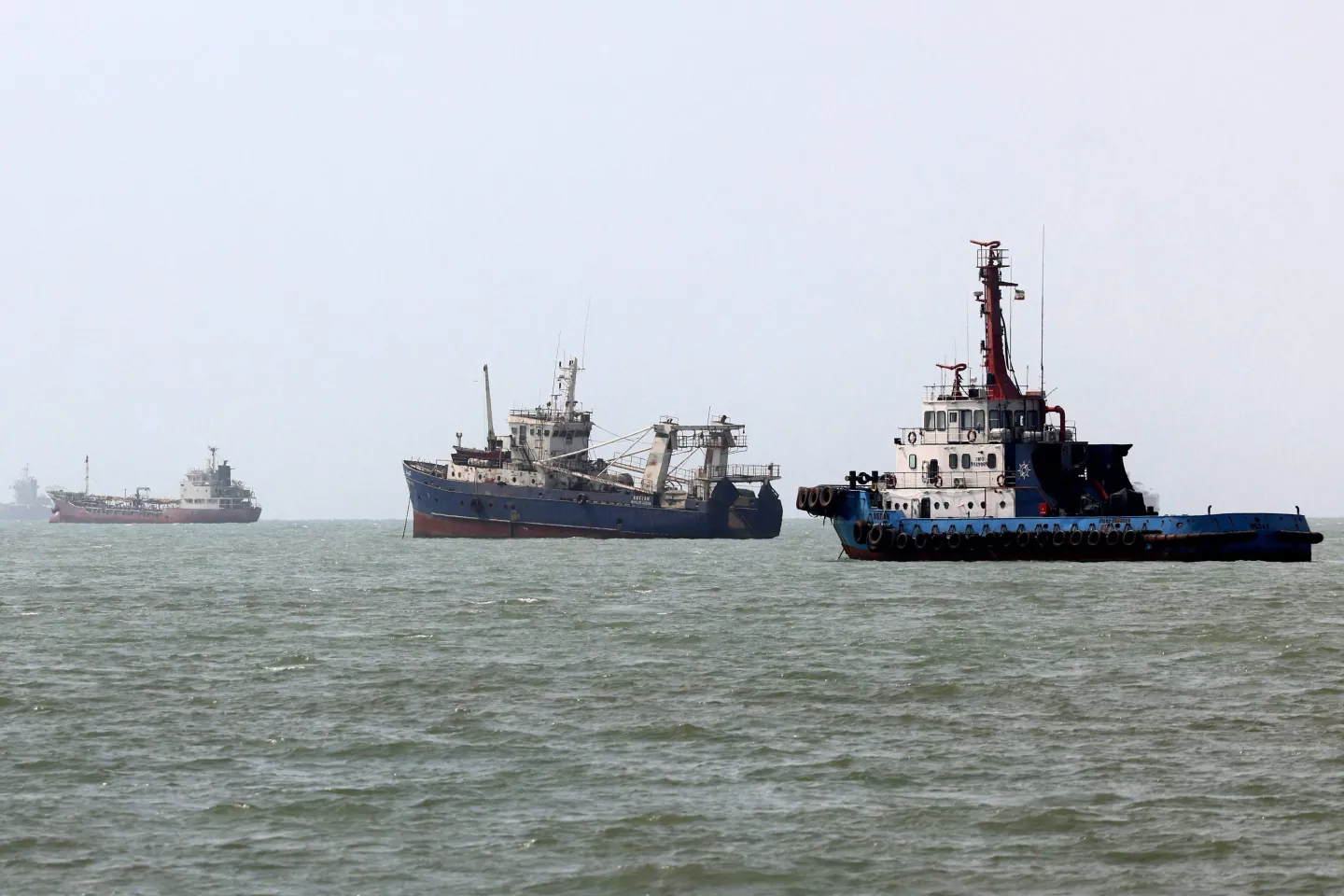
The shuttle trade is evident off the coast of Oman, where around 150 vessels, from large oil tankers to bulk carriers, are currently waiting. This is a significant increase from about 40 ships in January, as many of these vessels wait to transfer cargoes from those entering and leaving Hormuz with their transponders switched off.
Reports indicate that there has been no slowdown in shipments from the UAE, even after recent attacks on its vessels. Adnoc has sold around 135 million barrels of crude globally and announced another round of sales last week.
However, transporting large quantities of oil amid ongoing conflict is complex. Sources noted that there have been more incidents involving vessels than what has been publicly shared, including attacks on merchant ships and defensive actions by Western forces against vessels that threaten freighters in the area.
These challenges highlight the risks involved in keeping global energy prices low. Several seafarers have died while crossing Hormuz, and the region has seen increasing oil spills. A recent one was spotted in the Gulf of Oman, but its origin is unknown, emphasizing the secretive nature of these operations.
Since the conflict began, 23 of Adnoc's vessels have been attacked while navigating Hormuz, resulting in one death and 20 crew injuries. The company stated that the repercussions of these attacks are felt globally, not just in the region.
The company remarked, “An attack on the infrastructure that keeps energy flowing is not simply an attack on a company. The disruption in the Strait of Hormuz is causing significant damage beyond those directly affected in this area.”
While attacks can cause shipment delays, they are often brief, yet they contribute to overall market uncertainty, according to buyers in Asia.
Saudi Shipments
Saudi Arabia has not yet been shipping large volumes of oil like others in the region. However, there are signs of increased activity from the kingdom's ports, especially since its alternative route through the Red Sea is threatened by attacks from Iran-backed Houthi militants.
Last week, two ships were seen loading oil at Saudi Arabia’s Ras Tanura export terminal. The country’s tanker company, Bahri, has also positioned several vessels off the coast of Oman, where transfers are taking place. Currently, there are 16 supertankers in the area, with another three on the way, capable of carrying 38 million barrels in total.
Saudi Aramco declined to comment on the situation, and Bahri did not respond to requests for comment.
Additionally, some companies have started buying Iraqi oil and transporting it out of Hormuz, providing an important outlet for Iraq during the conflict.
Vessel tracking data shows that cargoes from Qatar and Kuwait are also being exported from Hormuz under similar arrangements.
Insurers indicate they are receiving a steady number of requests for coverage from various Gulf producers.
“It’s a dark trade,” said Pankaj Khanna, CEO of Heidmar Maritime Holdings Corp. “It’s the only option right now, as not all owners are willing to take the risk.”