
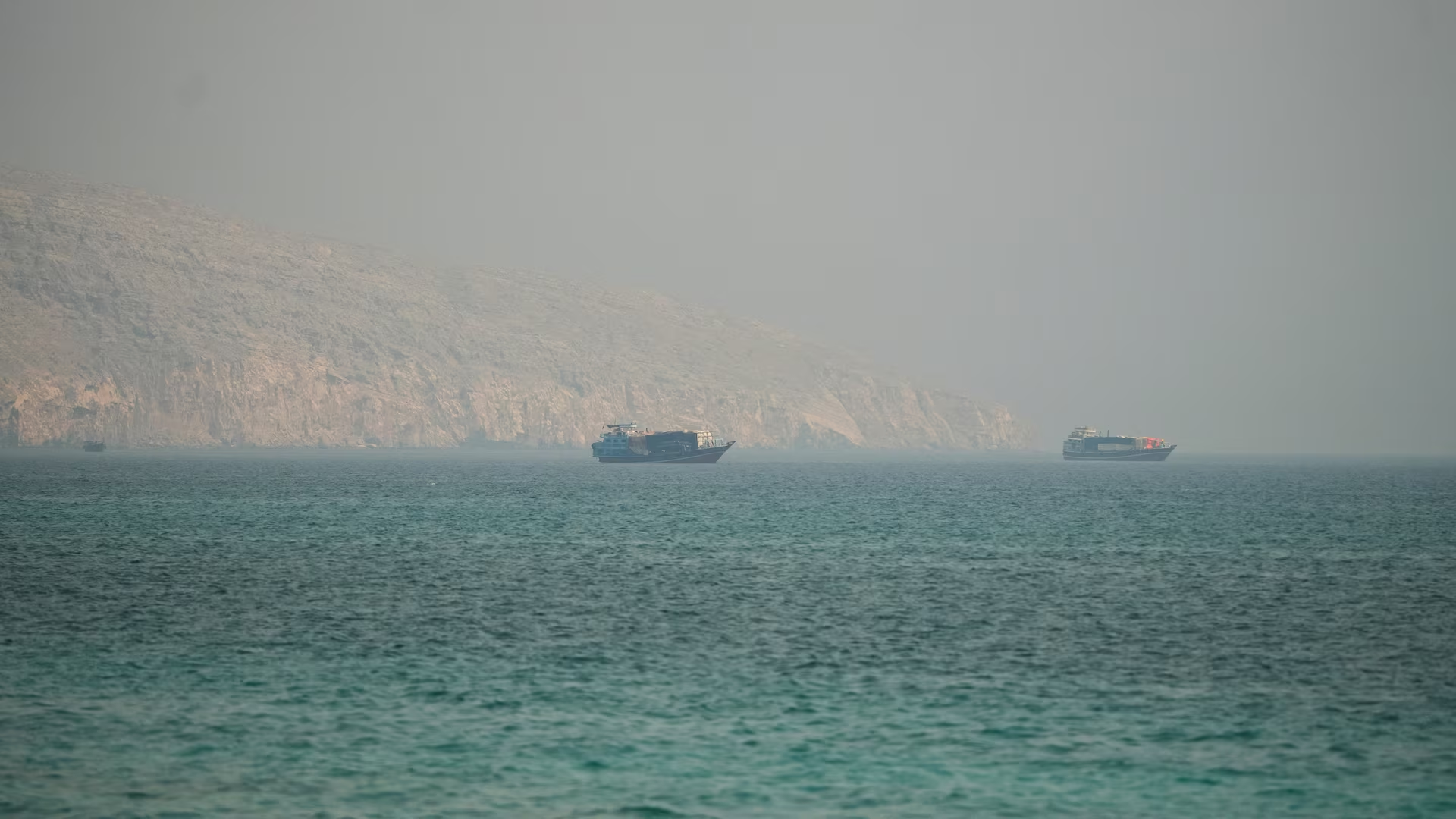
LONDON, July 10 - Countries must reject Iran's attempts to claim control over the Strait of Hormuz and its decision to set up a body to manage traffic in the waterway, according to a resolution from the U.N. shipping organization's governing council on Friday.
This week, the U.S. and Iran escalated their hostilities, including U.S. military airstrikes in response to attacks on ships that Washington attributed to Tehran.
These attacks raised concerns about global oil supply and shipping safety, emphasizing the fragile state of a temporary ceasefire in the ongoing conflict while the U.S. and Iran try to reach a long-term agreement.
The International Maritime Organization (IMO), based in London, is responsible for ensuring the safety and security of international shipping and preventing pollution. It has 176 member states.
The protection of important shipping routes was a key topic during this week's session of the IMO's 40-member governing council, where Gulf countries, the United States, and Iran disagreed over the future of the strait.
NO RECOGNITION OF IRAN'S SOVEREIGNTY CLAIM, IMO COUNCIL SAYS
The IMO Council "strongly condemned" Iran's move to create a body that claims to control traffic through the strait, according to a non-binding resolution.
The Council called on member states not to acknowledge Iran's claim of sovereignty over the Strait of Hormuz and its claims of authority over the maritime zones of other states around the strait, which violates their rights and sovereignty. Member states were also urged not to recognize any Iranian efforts to "close, obstruct, hamper or interfere with international navigation or the right of transit passage."
Iran's newly established Persian Gulf Strait Authority stated in a June advisory that vessels could not pass through the waterway "without a valid passage permit" issued by this authority.
Iran, which does not hold a seat on the Council, informed IMO delegates this week that it rejects the "politically motivated and legally unfounded accusations" against it.
According to its delegation, Iran is not a member of the UNCLOS international maritime convention and is "not bound by the treaty-based regime."
The Iranian delegation claimed, "The measures implemented by Iran aim to uphold maritime safety and security, prevent support for acts of aggression, safeguard Iran's sovereignty, and ensure safe navigation. These measures do not equate to closing the strait."