
A small number of merchant ships have started to navigate the Strait of Hormuz again, marking the first notable movement after weeks of disruptions. However, this doesn’t indicate a return to normal operations; rather, it highlights a troubling shift: one of the world’s key shipping lanes is operating under different rules now.
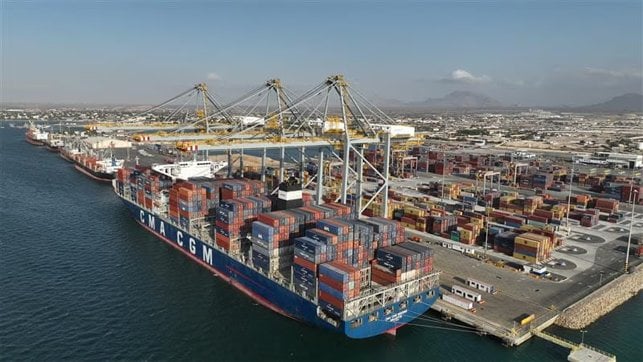
Recently, a significant event was the confirmed passage of the French-linked container ship CMA CGM Kribi, which made it through the strait despite ongoing security issues. Along with a few other vessels, including Japanese and regionally affiliated tankers, this movement is important not because traffic is back to normal, but because it shows how shipping is adapting to a new and challenging environment.
The crucial factor is not just that ships are moving again, but how they are doing so. Vessel tracking data reveals that some ships are changing their Automatic Identification System (AIS) messages to highlight their national ownership or political connections, which is a strategy to lower the chance of being targeted. For example, the CMA CGM vessel adjusted its AIS message to emphasize French ownership, a subtle yet important move in a region where nationality seems to affect operational risks.
Meanwhile, overall traffic through Hormuz is still much lower than normal. Estimates show that only a handful of vessels are moving daily, down from the dozens that typically cross the strait. Most of the ships currently sailing seem to be associated with countries seen as neutral or strategically friendly to Iran, including operators from Asia and the region.
This situation reinforces the idea that the Strait of Hormuz hasn’t reopened for regular commercial activity. Instead, it appears to be turning into a controlled corridor where access is selective, conditional, and heavily influenced by geopolitical factors. For shipowners and charterers, this represents a significant change in how one of the world’s most crucial shipping lanes operates.
To add to the complexity, there are growing signs that Iran may be moving towards a more structured control system for the strait. While not yet fully confirmed, various reports indicate that vessels wishing to pass may require screening, detailed voyage information, and possibly compliance with certain political or operational conditions.
If these developments are even partially accurate, they would significantly alter the long-standing principle of free navigation in international waters. Historically, the Strait of Hormuz has served as a neutral route for global trade, governed by established maritime laws. The emergence of a system where passage is negotiated or selectively allowed could fundamentally change this framework.
The implications for global shipping are immediate and considerable. Around 20 percent of the world’s oil and a significant portion of liquefied natural gas pass through Hormuz. Any ongoing disruptions or restricted access will directly impact energy markets, shipping rates, and supply chains.
The current situation is already adding pressure to the economy. Energy prices have surged due to the disruptions, and shipowners are facing sharply increased war-risk insurance costs and operational uncertainties. For some, the added risk of traveling through the strait now outweighs the journey's commercial value, while others are willing to accept these risks for significantly higher freight rates.
Diplomatic efforts to stabilize the situation are ramping up, but so far, results have been limited. A coalition of countries is coordinating responses to pressure Iran to restore normal shipping conditions, but the lack of a unified and enforceable framework means that, for now, individual nations and operators must navigate the crisis largely on their own.
This has created a diverse range of behaviors at sea that would have been unimaginable just months ago. Some vessels are postponing their entry into the Gulf entirely, waiting for clearer security assurances. Others are altering their routes, speeds, and schedules to minimize risk, while a few are continuing under carefully managed conditions, often with the backing of diplomatic efforts or informal guarantees.
The outcome is a maritime environment shaped more by complex risk management, political signaling, and operational adjustments than by clear rules. For crew members, the pressures are significant. Navigating a narrow and busy waterway has always demanded precision and vigilance, but threats such as missile strikes, drone activity, and electronic interference add a level of complexity that few have previously faced.
The broader strategic implications are also important. Iran’s apparent approach reflects a long-established asymmetric strategy, aimed not necessarily at closing the strait completely, but at making its use uncertain, risky, and dependent on political factors. By allowing restricted passage under controlled conditions, Tehran can influence global shipping flows without triggering the full legal and military consequences of an outright blockade.
For Western governments and naval forces, the challenge lies in how to respond to this developing situation. Discussions about traditional convoy operations, similar to those from the tanker wars of the 1980s, are ongoing, but implementing them today is far more complicated due to modern threats. These new dangers include long-range missiles, unmanned systems, and the risk of naval mines, all of which make guaranteeing safe passage exceedingly difficult.
Mine clearance is particularly becoming a critical factor in any effort to restore normal shipping traffic. Even a limited mine threat can effectively shut down a narrow shipping channel until it is cleared, a process that is slow, technically challenging, and inherently risky. Preparations by Western navies to deploy autonomous mine countermeasure systems suggest that this aspect of the response is being treated seriously, although it remains in the planning stages rather than active deployment.
For the maritime industry, the immediate concern is operational. Shipowners must weigh whether to transit, delay, or reroute their vessels, balancing commercial pressures against safety needs. Charterers need to determine if cargoes can still be transported, while insurers are recalibrating risks in real time.
The past 24 hours have shown some movement and a clear reminder of ongoing instability. Though ships are passing through Hormuz again, it doesn’t suggest a return to normalcy. Instead, they are navigating a corridor reshaped by conflict, where access is conditional and each transit carries heightened risks.
Currently, the Strait of Hormuz is open in theory, but in practice, it is constrained. Whether the current trickle of vessels becomes a steady flow or stalls due to continued tensions will depend on diplomatic efforts, military developments, and the willingness of the shipping industry to operate in a still uncertain environment.