
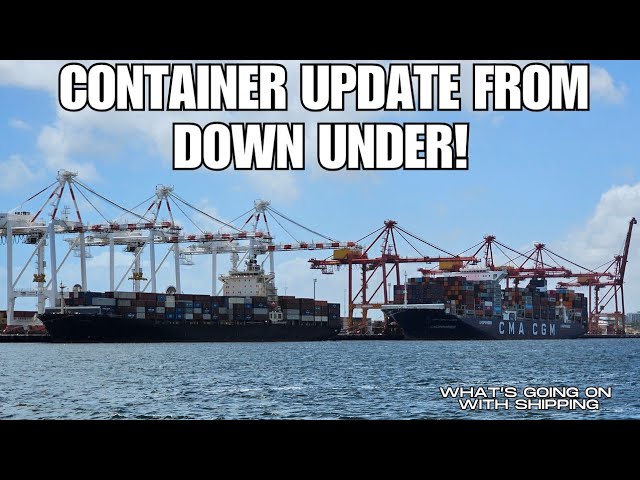
According to a new analysis from BIMCO, there is a backlog of at least 500 container ships, amounting to 1.8 million TEU, in the global fleet. This situation is attributed to ships continuing to operate well past their usual recycling age.
This year, only 10 container ships have been recycled, which reflects a trend of minimal recycling activity that has persisted since 2021. The percentage of ships that are 20 years or older has risen from 16% in early 2020 to 24% now, marking the highest level since the early 1970s.
“Based on the average recycling patterns from 2000 to 2019, we estimate that the current minimum recycling backlog is 500 ships and 1.8 million TEU,” said Niels Rasmussen, Chief Shipping Analyst at BIMCO. “Before the financial crisis, a strong market led to low recycling. Since 2009, a weaker market has resulted in more ships being recycled. Thus, the period from 2000 to 2019 provides a good benchmark for recycling under average market conditions.”
Historical data reveals that between 2000 and 2019, 20% of ships were recycled before they reached 20 years of age, while 53% were recycled before turning 25.
BIMCO's analysis indicates that the actual backlog might be significantly larger. By looking at recycling patterns from the weaker market conditions of the 2010s, they estimate a maximum backlog of 850 ships and 3.1 million TEU. Factors like a large order book, possible rerouting in the Suez Canal, and new efficiency regulations could lead to higher recycling rates.
It will likely take years to clear this accumulated backlog. The highest annual recycling rate on record was in 2016 when 185 ships totaling 0.6 million TEU were scrapped.
According to Alphaliner, the demolition market is expected to remain slow until the current drop in freight rates starts to impact the profitability of carriers.
“It's challenging to accurately predict future recycling numbers,” noted Rasmussen. “However, our estimates suggest a backlog of 6-10% of currently active ships, which is equal to 33-55% of vessels older than 20 years. It's also important to highlight that the estimated backlog is greater than the order book for all ship segments smaller than 8,000 TEU. This could mean that fleet growth in the next few years will primarily come from larger ships, which may lead to larger vessels taking over the routes currently served by smaller ships.”