
Container shipping is seeing increased activity in the Suez Canal, despite ongoing conflict near the southern entrance to the Red Sea.
On Wednesday, the 24,188-TEU OOCL Portugal passed through the Suez Canal on its journey from Belgium to China. This marks the first southbound trip through the canal by COSCO SHIPPING Lines since the recent security crisis in the Red Sea began, according to the Suez Canal Authority.
The nearly 400-meter long vessel operates on the Ocean Alliance’s NEU2 service, connecting the Far East with Northwest Europe.
For Egypt, this passage indicates that the container shipping sector is gradually reestablishing its presence in the Suez route after several years of ships rerouting around the Cape of Good Hope.
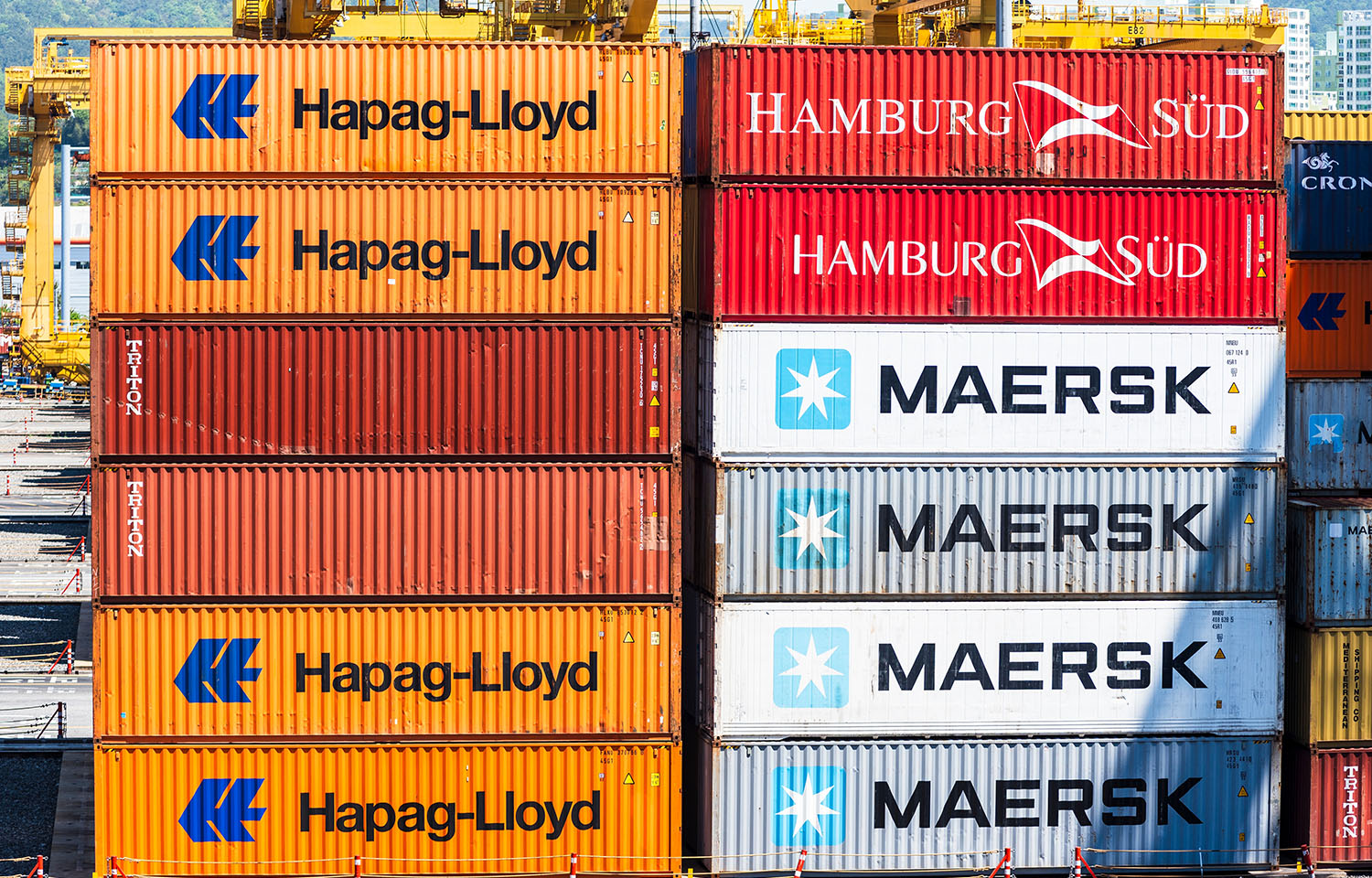
The Suez Canal Authority reported that container ship net tonnage through the canal reached 72.1 million tons in the first eight months of 2026, a 54.2% increase from 46.7 million tons during the same period last year. Services operated by CMA CGM, Maersk, MSC, Hapag-Lloyd, and COSCO have all partially returned to the canal.
This recovery picked up speed this week, as Maersk and Hapag-Lloyd announced on Monday that four additional Gemini Cooperation services—AE5, AE11, AE12, and ME2—will move back to the Suez Canal from the Cape of Good Hope. They join the AE15 and AE19 services that are already operating through Suez, significantly increasing Gemini’s involvement in the Red Sea corridor.
Traveling through the Suez Canal shortens the distance for Asia-Europe trips compared to routes around southern Africa, which reduces transit times, fuel use, and the number of vessels needed. However, this return comes amid a complex security situation.
Risks in Bab el-Mandeb are Rising
Iran-aligned Houthi forces have quickly advanced along Yemen’s Red Sea coast this month, capturing Mocha and advancing towards islands near the Bab el-Mandeb Strait, the crucial southern gateway for all ships using the Red Sea-Suez route.
So far, the Houthis have restricted their naval blockade to Saudi vessels. Reports suggest that they will continue to honor an earlier ceasefire with the United States. Houthi representatives informed U.S. officials in recent talks in Oman that they do not intend to target American or Israeli vessels, while still asserting their right to attack Saudi shipping.
This distinction is significant for container carriers considering a return to Suez, but it doesn’t eliminate the broader risks of operating in the region.
Maersk and Hapag-Lloyd have left room to adapt their plans. In announcing their recent changes to Suez routing, the companies stated that future operations would depend on stability in the Red Sea and the absence of further conflicts.
“The safety of the crew, vessels, and customers’ cargo remains our top priority,” said Maersk.
For the Suez Canal, however, the trend is moving in a positive direction. The passage of the OOCL Portugal coincided with 39 ships carrying a total of 2.3 million net tons passing through the canal, according to the Suez Canal Authority.