
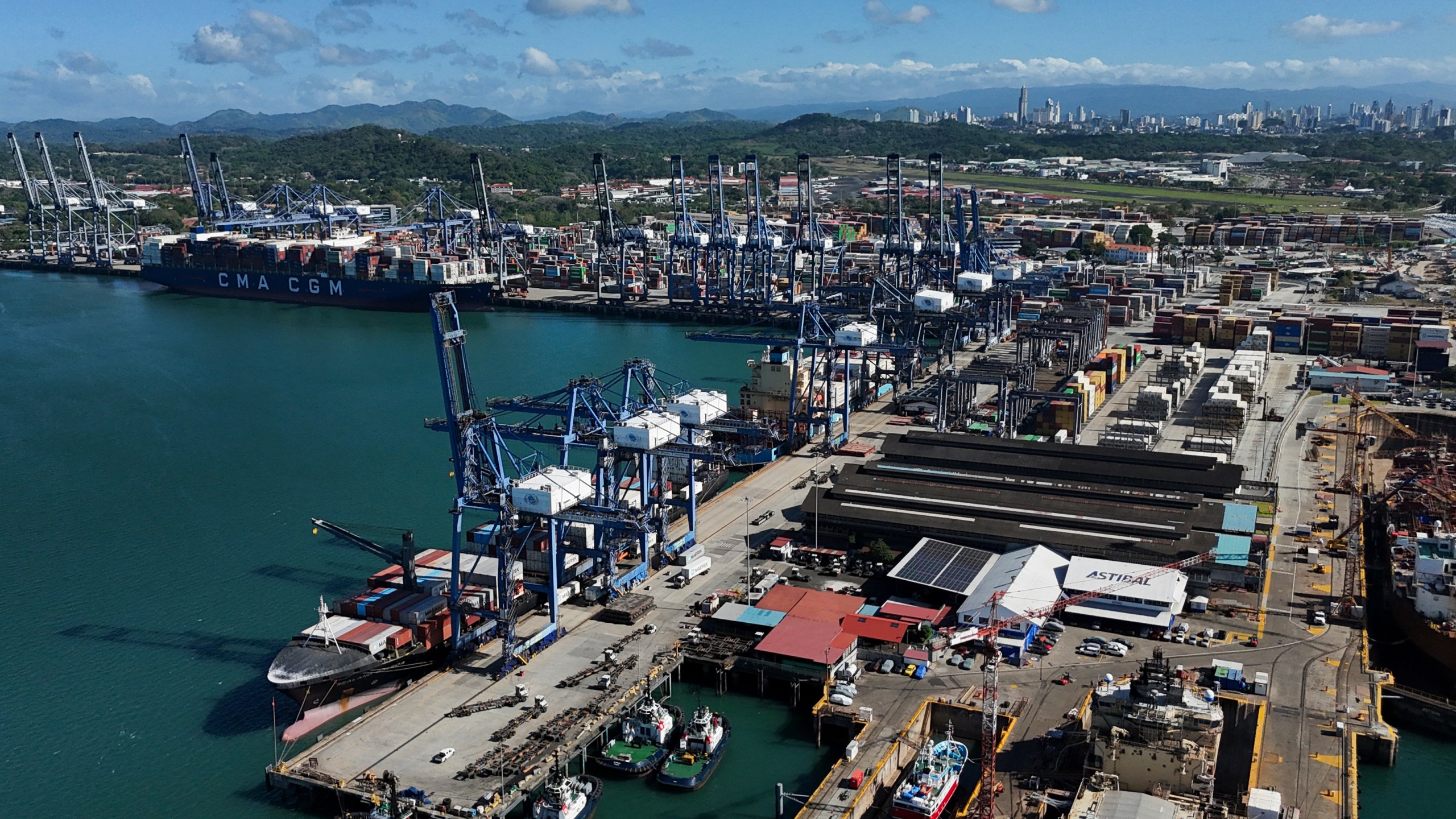
Worldwide container shipping rates have decreased for the fourth week in a row, dropping 7% to $1,959 for a 40-foot container. This decline comes as shipping companies are experiencing lower-than-expected demand right before the Lunar New Year, a time when shipping activity is usually high.
This ongoing decrease is a noticeable change from the typical seasonal patterns. The Drewry World Container Index reports that spot rates have declined in all major shipping routes, even though Chinese factories are about to close. Specifically, rates from Shanghai to Los Angeles fell by 8% to $2,239, and the Shanghai–New York route saw a 5% decrease to $2,819.
“This trend shows a significant change in the market, as the usual surge of cargo before the Lunar New Year is not occurring in 2026,” noted Drewry.
In response, shipping companies are cutting back on capacity at a rapid rate. Over the next three weeks, they have canceled 18, 27, and 28 sailings on transpacific routes, which is much higher than usual for this time of year, according to Drewry’s Container Capacity Insight.
Asia-Europe shipping routes are experiencing similar challenges. Rates from Shanghai to Rotterdam dropped 9% to $2,164, while the Shanghai–Genoa route decreased by 7% to $3,048. Shipping companies are planning 9, 16, and 9 canceled sailings on these routes to prepare for factory shutdowns and market instability.
This new drop in rates follows a week where the index was at $2,107 for a 40-foot container, after three weeks of declines due to weak demand and uncertainties surrounding Suez Canal traffic.
The market's direction is currently influenced by various factors. Diversions around the Cape of Good Hope are utilizing about 2 million TEU of capacity, which is roughly 8% of the global container fleet. Meanwhile, the slow return of some services to the Suez Canal is adding back capacity and complicating predictions for shipping rates.
Drewry analyst Philip Damas remarked that the timing and extent of the broader return to Suez will be crucial in 2026. “The reopening of the Suez Canal is a key factor this year for capacity, freight rates, and transit times,” he explained, highlighting that shipping companies are considering security issues, insurance costs, competitors' actions, and port congestion.
The cautious reopening began when Maersk and Hapag-Lloyd announced their ME11 service would restart Red Sea crossings in mid-February, following test voyages and a decrease in attacks after the Gaza ceasefire in October 2025.
The industry remains divided on how much risk to take. Shortly after Maersk shifted back toward Suez, CMA CGM redirected three Asia-Europe services around the Cape, citing “the complex and uncertain international context.”
“These mixed decisions indicate that capacity will return to the market gradually rather than all at once,” Drewry stated, noting that a phased approach may reduce the risk of a sudden drop in spot rates.
Looking forward, analysts are warning that global freight rates might drop by as much as 25% in 2026 due to new vessel deliveries coinciding with weaker demand, even if conditions in the Red Sea remain stable.
The situation is critical for Egypt. The chairman of the Suez Canal expects traffic levels to return to normal by the second half of 2026. Before the attacks began in late 2023, the canal handled about 12% of global seaborne trade and serviced around 80 container ships each week.
Currently, carriers have announced 63 blank sailings for February, a significant increase from 27 in January. This suggests the market is preparing for further pressure on rates as factories close and cargo demand weakens.