
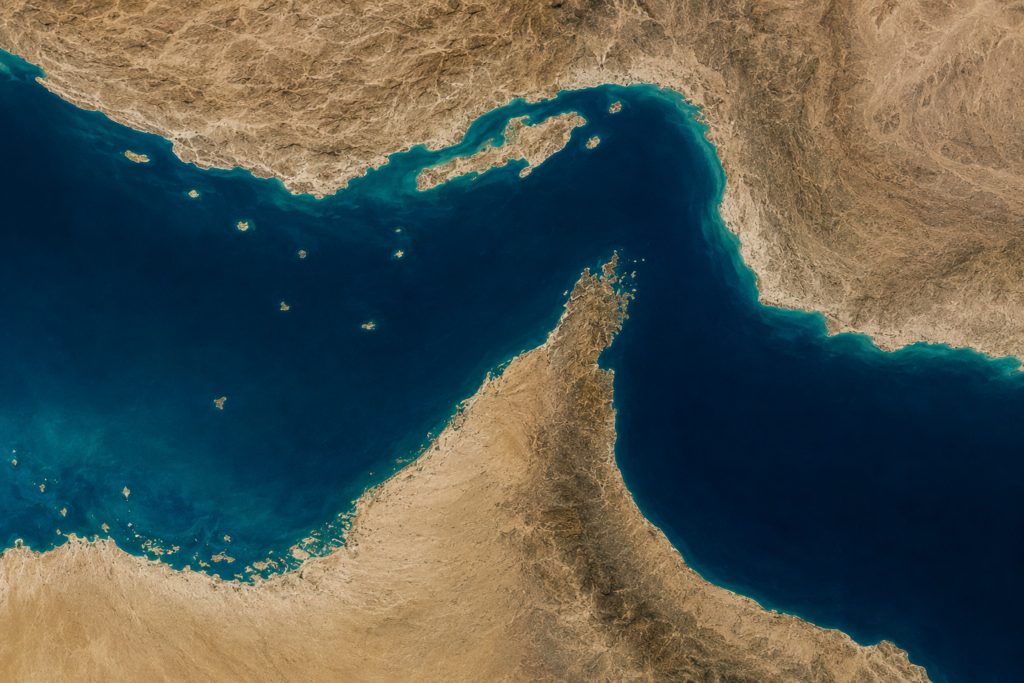
SINGAPORE, Aug 25 (Reuters) – Only two tankers passed through the important Strait of Hormuz on Monday, marking the lowest number of ships since early May. Both vessels entered the Gulf, according to shipping data.
This number is significantly lower than the 10-day average of 14. By 0657 GMT on Tuesday, shiptracker Kpler reported the entry of one very large gas carrier and one very large crude carrier into the strait from the Gulf of Oman.
The count was a decrease from Sunday’s total of seven vessels of all types. However, the numbers might change, as some ships turned off their navigation transponders while passing through.
Separate preliminary data from shiptracker Vortexa showed that oil transit on Monday was at 5 million barrels per day. As of August 23, the seven-day moving average for transits through Hormuz was around 6 to 7 million bpd.
Iran has reported that it has blacklisted 45 tankers for not following its rules for passage through the strait, and has threatened action against ships that engage in transfers with those vessels. This move is intensifying pressure over this critical waterway amid the ongoing conflict.
“It is unclear how Iran’s Persian Gulf Strait Authority will ensure compliance from these 'non-compliant' vessels,” said Xavier Tang, a senior market analyst at Vortexa.
“If tensions in the region rise or vessels are attacked at the chokepoint, Hormuz transit could be disrupted.”
Before the conflict, the strait was responsible for about 20% of the world's crude oil and liquefied natural gas flows.
Iran has also promised to retaliate against new U.S. sanctions designed to cut off its economic support, while expressing confidence that its main trading partners would resist U.S. pressure.
On Monday, U.S. Treasury Secretary Scott Bessent announced the measures but did not impose the most severe sanctions. He warned that countries continuing to trade with Iran risk losing access to the dollar-based financial system.
Additionally, on Monday, 30 vessels transited through Bab el-Mandeb, another important chokepoint located on the opposite side of the Arabian Peninsula. This was nearly in line with the 10-day average, and slightly more than the 28 crossings noted on Sunday.