
By Liz Lee and David Lawder
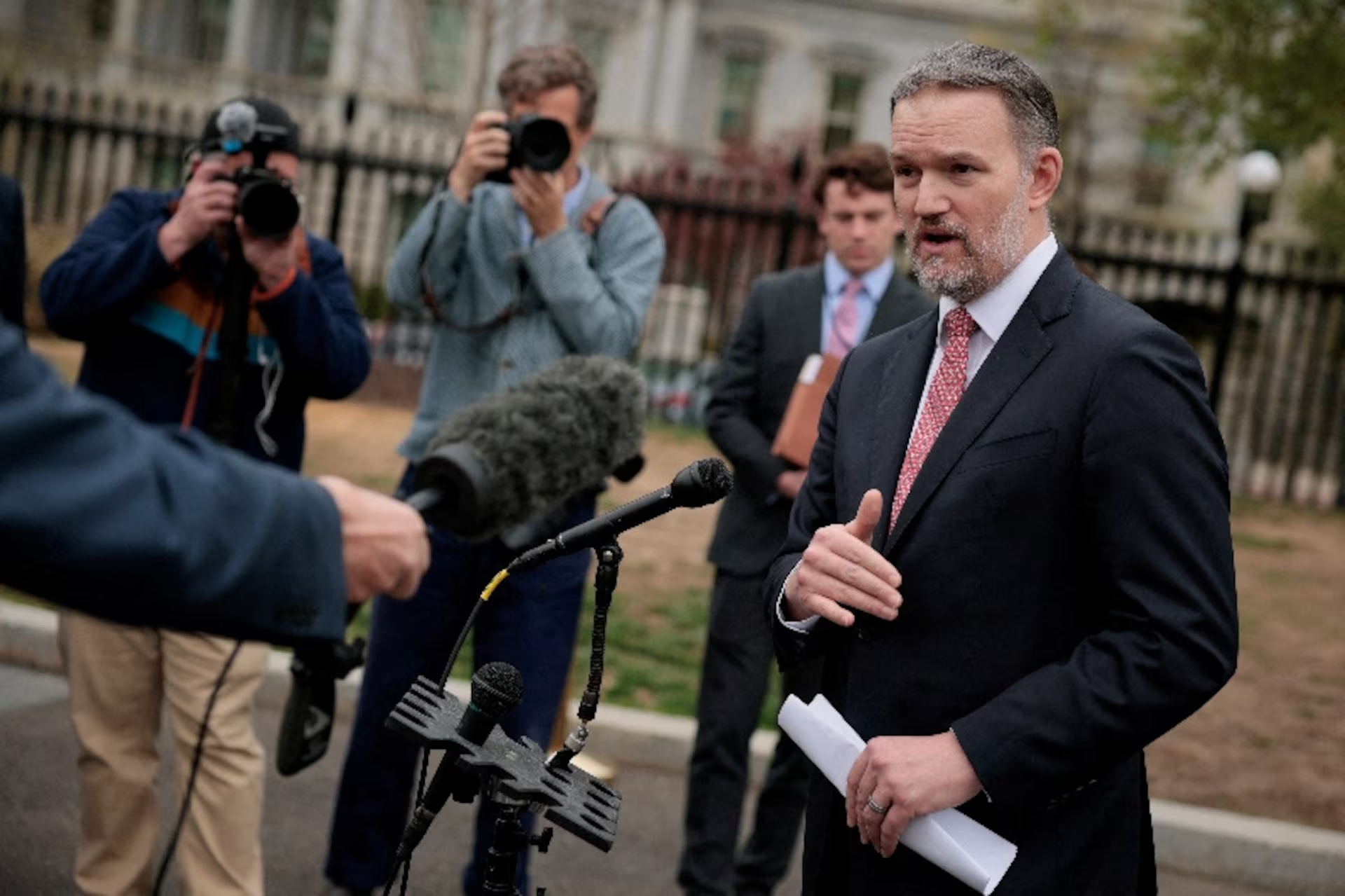
BEIJING/WASHINGTON, May 15 (Reuters) — China wants the Strait of Hormuz to be reopened without any restrictions or tolls, according to U.S. Trade Representative Jamieson Greer in a live interview with Bloomberg News on Friday. He added that the U.S. is confident that China will work to limit material support for Iran.
Greer referenced comments made by Chinese officials during the recent summit with U.S. and Chinese leaders, stating, “It’s really important for China to have the Strait of Hormuz open, with no tolls and no military control, and that was clear from the meeting. So we welcome that.”
Greer was involved in discussions between U.S. President Donald Trump and Chinese President Xi Jinping.
With a fragile ceasefire in the Iran war, Trump is eager to gain Chinese support to resolve the conflict, which has negatively impacted his approval ratings ahead of the crucial midterm elections in November. China is a key ally of Iran and the main buyer of its oil.
Iran has significantly restricted access to the Strait, blocking most ships other than its own, leading to major disruptions in global energy supplies.
“Regarding Chinese involvement with Iran, we think the Chinese are being very pragmatic, and they don’t want to be on the wrong side of this,” Greer noted. “They want to see peace in that area. President Trump wants to see peace in that area. So we are confident that they will make efforts to limit any material support for Iran.”
China’s foreign ministry emphasized the importance of continued de-escalation in its statement about the discussions on Iran, stating, “There is no need to continue this war that should not have happened, and finding a solution sooner is beneficial to both the United States and Iran... and even to the whole world.”
Even though the ministry didn’t specifically mention the Strait of Hormuz, it called for the reopening of shipping routes as quickly as possible. China has continuously advocated for an end to the conflict and the restoration of safe passage through the Strait.
Beijing has been active in diplomatic efforts but has held back from criticizing the U.S. approach to the war.
Under normal circumstances, nearly 20% of the world’s oil and liquefied natural gas supplies pass through the Strait.
(Reporting by David Lawder in Washington and Liz Lee in Beijing; Editing by Jacqueline Wong and Clarence Fernandez)