
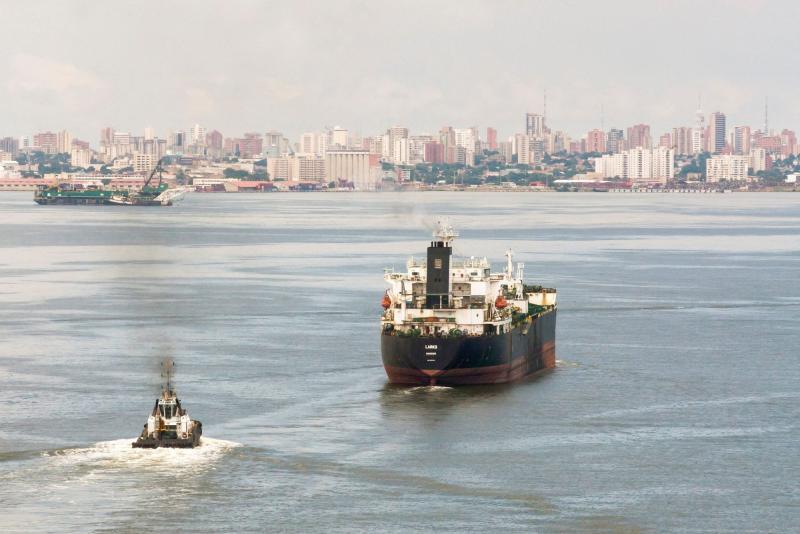
A small fleet of ships organized by Chevron Corp. is heading to Venezuela, as the company has become the main exporter of the country's oil following the removal of President Nicolas Maduro by US forces.
This month, Chevron is expected to export more Venezuelan oil than it did last month, with at least 11 ships scheduled to arrive at Venezuelan ports controlled by the government, according to early data.
All attention is on Chevron to see if it will increase its shipments of Venezuelan crude oil after US President Donald Trump expressed a desire for “total access” to the country's extensive oil reserves. Chevron is the only Western company currently authorized to produce and export oil from Venezuela under US sanctions, operating with a license from the Treasury Department. The company is responsible for nearly 25% of Venezuela’s oil production and manages the transport of this oil to refineries in the Gulf Coast and East Coast regions of the United States.
In a statement, Chevron emphasized its commitment to the safety of its employees and the integrity of its operations, stating, "We continue to operate in full compliance with all relevant laws and regulations."
As Chevron continues to load oil, at least 12 other vessels have been turned away from Venezuela due to heavy US military presence in the Caribbean, which is enforcing a blockade on outgoing oil shipments. Two oil tankers, previously involved in transporting sanctioned crude, were caught in the US naval blockade, and authorities are currently pursuing a third tanker known as Marinera or Bella 1, according to CBS News.
Some vessels from the so-called dark fleet managed to leave Venezuela over the weekend right after US forces captured Maduro. Reports indicate that at least 4 tankers, and possibly up to 16, successfully passed through the blockade, though their names have not been disclosed. Tankers in this shadow fleet often turn off or spoof their tracking devices to hide their location.
The 11 vessels chartered by Chevron scheduled to arrive in January will be the highest number since last October, which saw 12 tankers loading oil. In December, 9 tankers departed with oil, a figure that includes shipments from Chevron and oil seized by the US government. The total volume for the 11 tankers amounts to 152,000 barrels per day, an increase from about 123,000 barrels per day in December.
According to vessel tracking data, one of the 11 ships has already loaded oil, and two others are currently docked. All of this oil is designated for refineries in the US, including Valero Energy Corp, Phillips 66, and Marathon Petroleum Corp.
With Chevron's increased oil shipments, it helps alleviate a surplus caused by delays in exports due to the naval blockade. If Chevron doesn't continue to increase its exports, Venezuela's state oil agency, Petróleos de Venezuela SA, may have to start shutting down oil wells. Predictions indicate that production could drop to 600,000 barrels a day by next month.
Trump is hoping that oil companies will invest heavily to revive Venezuela's oil production, which has suffered from years of corruption and neglect. However, crude producers are likely to be cautious. US Energy Secretary Chris Wright plans to meet with oil industry executives this week.
Venezuelan oil exports, measured by ship loadings, fell to a 17-month low in December due to the naval blockade aimed at cracking down on illicit oil trade.