
WASHINGTON/DUBAI, June 10 – The United States launched new strikes against several targets in Iran overnight, according to the U.S. military. President Donald Trump has warned that more attacks will follow if a peace deal is not reached.
The military's Central Command announced that the strikes were finished about four hours after they began just after midnight in Tehran. The targets included "military surveillance capabilities, communication systems, and air defense sites across Iran," as stated in a post on X.
Central Command explained that the strikes were a response to Iran's unprovoked and ongoing aggression.
These attacks are part of a troubling escalation that could lead to a full-scale war, which had paused in early April due to a shaky ceasefire between the two sides.
Iran's Islamic Revolutionary Guard Corps reported early Thursday that they hit 18 U.S. military targets in airbases located in Kuwait and Bahrain. Meanwhile, Bahrain's interior ministry confirmed that sirens were activated.
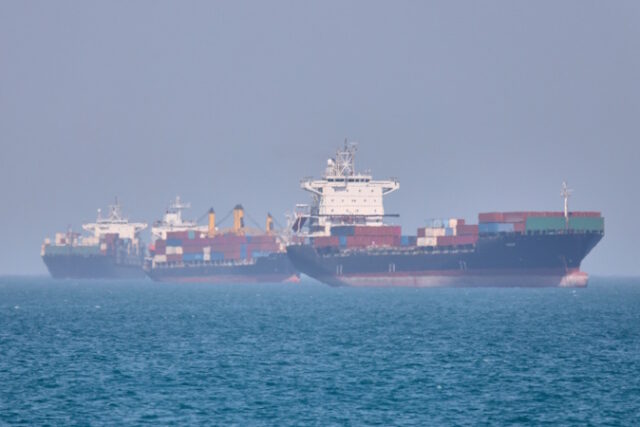
The top military command in Iran also warned that they would target any vessels attempting to pass through the Strait of Hormuz, which has been mostly closed for months. Iranian media claimed that two ships were fired upon.
However, U.S. Central Command denied that the strait was closed, indicating that commercial ships are still passing through despite Iran's threats. Trump mentioned that vessels had been traversing the strait without Iran's permission as part of a secret military operation.
During an interview with Fox News on Wednesday evening, Trump stated that the strikes would conclude soon, but he added that he would "bomb the hell out of them" if Iran's leaders did not quickly sign an agreement with the U.S., according to Yingst's post on X.
Iranian news outlets reported explosions in several cities, including Sirik, Kargan, Bandar Abbas, Minab, Varamin, and Karaj.
U.S. Defense Secretary Pete Hegseth called the strikes a way to push Iran towards a deal to end the conflict. While visiting Central Command in Florida, he told reporters that the strikes would "advance our military interests and also enhance our diplomatic position."
"We will hit them hard tonight, and hopefully, Iran makes the right decision," he added. "If we have to negotiate with bombs, then we will do that."
Since the fragile ceasefire began, the U.S. and Iran have exchanged fire multiple times, although negotiations to end the four-month war have not succeeded. Trump has claimed that a deal is close, despite no progress being evident, and he continues to threaten further bombings.
Previously, the U.S. targeted air defense and radar sites around the Strait of Hormuz after a U.S. attack helicopter was downed near the key waterway on Monday. Iran retaliated with missile and drone strikes on U.S. bases in Jordan, Kuwait, and Bahrain, though a U.S. official noted there was no significant damage.
Iran accused the U.S. of targeting water reservoirs that serve ten villages and breaching international law.
"This is not collateral damage — it's a calculated act of war and a serious violation of human rights," declared Foreign Ministry spokesperson Esmaeil Baghei.
The Pentagon has not yet responded to requests for comments.
Although Trump has previously threatened to destroy Iran’s civilian infrastructure, he did not indicate whether upcoming strikes would target things like power plants and bridges.
Despite the aggressive rhetoric from both sides, signs of ongoing diplomatic efforts are still present.
A delegation from Qatar, which has been mediating discussions between the U.S. and Iran, arrived in Tehran on Wednesday for talks regarding the latest developments.
TRUMP CLAIMS A SECRET MISSION
The ongoing war has resulted in thousands of deaths and disrupted about one-fifth of the world's oil and natural gas supply, causing prices to spike. Iran has blocked traffic through the Strait of Hormuz, while the U.S. continues to implement a blockade on Iranian ports.
This conflict has created challenges for the White House, as public polls show Trump’s approval ratings dropping due to voter dissatisfaction with high gasoline prices. Some Republicans fear that the war's unpopularity could cost them seats in Congress during the upcoming midterm elections in November.
Following Trump's threat of escalation, oil prices surged nearly $3 and continued to rise during early Asian trading on Thursday.
Trump informed reporters at the White House on Wednesday that vessels carrying 100 million barrels of oil have ignored Iran and traveled through the strait as part of a secret military mission.
Hegseth claimed that ships have been navigating the strait "in the middle of the night, protected by the United States in a way that Iran can't stop or see."
In a separate incident, the U.S. military stated that it disabled an oil tanker carrying Iranian crude oil in the Gulf of Oman for the second consecutive day on Tuesday.
FIGHTING IN LEBANON CONTINUES
The fighting continues in a parallel conflict between Israel and Iran-backed Hezbollah militants in Lebanon. Israeli airstrikes in southern Lebanon resulted in at least 13 deaths on Wednesday, according to Lebanese security sources, while Hezbollah reported new attacks against Israeli forces.
Tehran's demands include an end to Israel’s attacks in Lebanon, lifting sanctions on Iran, releasing billions of dollars in frozen assets, and recognizing its control over the strait.
Trump insists that Iran must lift restrictions on shipping through Hormuz, and any peace agreement must prevent Iran from developing nuclear weapons.
Iran denies any intentions to pursue nuclear weapons.
The U.N. nuclear watchdog's 35-nation Board of Governors passed a U.S.-supported resolution on Wednesday requiring Iran to declare its remaining enriched uranium stocks and allow inspectors to verify them. Iran dismissed the resolution as "political."