
CMA CGM Postpones Low Water Surcharge
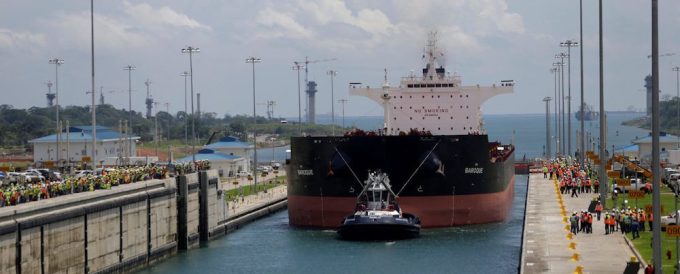
CMA CGM, a French shipping company, has delayed its $150 per TEU Low Water Surcharge for cargo traveling from South America's west coast through the Panama Canal. Higher restrictions on draught and transits are anticipated in the canal.
Originally set to begin on September 1, the surcharge will now take effect on October 1, following communication with customers.
This charge will impact all cargo heading from the west coast of South America to multiple destinations including North Europe, the Mediterranean, North Africa, the Indian Subcontinent, the Middle East Gulf, the Red Sea, South Africa, West Africa, the east coast of Central America, the Caribbean, Leeward and Windward Islands, Mexico's east coast, the east coast and Gulf of the US, and Canada's east coast.
Industry expert Lars Jensen noted, “The September 1 date was announced only three days ago, indicating a possible miscommunication about when it would start.” He explained that the changes come as Panama Canal transit restrictions are expected to become stricter, affecting container ship capacity. Jonathan Roach, an analyst at Braemar, added, “This time, it’s not just about fewer transit slots—it’s also about having fewer slots and less cargo on each ship.”
Starting September 2, the maximum draught allowed for Neopanamax vessels will be reduced to 14.63 meters, and it will drop further to 14.48 meters by October 1. The number of daily transits is projected to decrease from 36 to 34 on September 3, and then to 32 starting September 15, although these figures might change.
According to Braemar's July data, there were 189 Neopanamax transits, with 85 of them involving ships drawing 15 meters or more. This indicates that approximately 45% of Neopanamax transits could be impacted by the new draught limits, accounting for about 55% of the total TEU capacity passing through the Neopanamax locks.
“We can expect less cargo rather than fewer ships as an immediate response,” Mr. Roach explained. “Vessels might still operate on their current routes but may need to carry less to comply with the draught restrictions.”
A further decrease in daily transits might prevent some ships from using the canal entirely, causing queues and delays that would further reduce effective capacity.
If conditions worsen, carriers might need to redirect services from Asia to the US east coast around the Cape of Good Hope, which could result in a 30% increase in transit times and longer vessel commitments.
Mr. Roach cautioned, “The Panama Canal doesn't need to close completely to disrupt container shipping; it just needs to be a bit shallower and less accessible.” He also mentioned that the capacity issues might spread beyond the canal, as cargo displaced from Panama would need to be accommodated by other parts of the global shipping fleet.